
So, just how bad can a chimpanzee hurt you? The answer’s honestly pretty alarming. A chimpanzee can inflict severe, sometimes life-threatening injuries, thanks to its raw strength and those sharp teeth. Their arms are way stronger than ours, and their moods can flip from playful to aggressive in a heartbeat.

You might assume chimps are usually friendly, but they can lose their cool fast if they feel threatened or stressed. Bites, scratches, and punches happen in attacks, and the wounds can get pretty nasty. That’s why keeping your distance and following safety rules really matters if you’re ever near one.
Getting close to chimpanzees without proper care is risky because they’re both strong and unpredictable. Still, if you know what you’re doing and respect their space, you can stay safe and actually appreciate these powerful animals. Let’s dig into what makes chimps so strong, and how their attacks happen.
How Badly Can a Chimpanzee Hurt You?

Chimpanzees are much stronger than humans, and if they attack, you’re in real trouble. Their bites, scratches, and hits can leave deep wounds or even break bones.
If you want to stay safe, you need to understand both their strength and what sets them off.
Physical Strength and Common Injuries
Chimpanzees have arms that are about two to five times stronger than the average adult man’s. This power lets them swing through trees and defend themselves.
If a chimp attacks, their sharp teeth and strong muscles can leave deep bite wounds and snap bones.
Common injuries look like this:
- Deep puncture wounds from bites
- Scratches and cuts from their nails
- Bruises and broken bones from hits or falls
Their bites can tear through skin and muscle, leading to heavy bleeding. Open wounds from chimps often get infected, since they carry plenty of germs.
Real-Life Chimpanzee Attack Cases
People have been seriously hurt or even killed by chimpanzees. In Uganda, for example, chimps have attacked people and sometimes even infants—rare, but it happens.
Some attacks have left victims with broken bones and severe bites that needed emergency care.
One famous case involved a chimp named Travis, who attacked a woman and left her with life-changing injuries. Stories like these show just how fast a chimpanzee can turn aggressive and do real harm.
Factors That Trigger Chimpanzee Aggression
Chimps usually lash out when they feel scared, threatened, or stressed. Here’s what can set them off:
- Feeling cornered or trapped
- Loud noises or sudden movements
- Direct eye contact (they see it as a challenge)
- Protecting their territory or group
Chimps in captivity or crowded places get stressed more easily, which can lead to aggression. If you’re around chimps, try to stay calm, don’t stare, and keep your distance.
Understanding their moods and respecting their boundaries is honestly the best way to avoid problems.
If you want more details on chimp strength and injuries, check out How Bad Can a Chimpanzee Hurt You?
Risks of Human-Chimpanzee Encounters
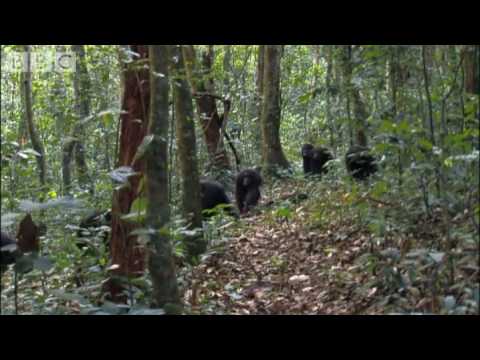
Meeting chimpanzees can get risky fast because of their behavior and strength. The dangers really depend on whether you’re dealing with wild chimps or ones in captivity.
You also need to follow safety rules during chimpanzee trekking if you want to avoid getting into trouble. Some famous researchers have spent years studying chimps up close, and their work helps us understand what to expect.
Wild vs. Captive Chimpanzee Behavior
Wild chimps live in forests like Kibale National Park in Uganda or Nyungwe National Park in Rwanda. In these places, they usually keep their distance from people and stick to their routines.
But even wild chimps might attack if they feel cornered or get stressed out.
Captive chimps—like those in zoos or research centers—often act differently. They can feel trapped or scared, which sometimes makes them more aggressive.
With less space to escape, they might react faster or more intensely than wild chimps.
In both wild and captive settings, chimps pack a lot of strength—maybe two to four times more than an average adult man. They use this power to protect themselves or show who’s boss.
If you know how their behavior changes in different environments, you’ll be a lot safer around them.
Safety Tips for Chimpanzee Trekking
Planning to go chimp trekking? Stick to the safety rules. Trekking groups stay small, and the guides really know their stuff when it comes to chimp behavior.
Guides help you keep a safe distance—usually about 7 meters (23 feet)—which makes a big difference.
While trekking, avoid direct eye contact and don’t make sudden moves. If you stay calm, the chimps usually do too.
Wearing masks, long sleeves, and pants protects both you and the chimps from spreading diseases.
Trek times are short, often under an hour, to keep stress low for the animals. In places like Kibale and Nyungwe, these rules help you enjoy seeing chimps and keep everyone safe.
Famous Researchers and Chimpanzee Studies
Jane Goodall stands out as one of the most well-known chimpanzee researchers. She spent decades out in the wild, just observing chimps where they actually live.
Her work revealed that chimps use tools and form strong social bonds. She also pointed out just how unpredictable chimps can get if they feel threatened.
Thanks to Goodall, we now have better guidelines for interacting safely with chimps. Other researchers have started comparing chimpanzee trekking with mountain gorilla trekking.
Mountain gorillas live in different environments and behave differently, so the safety rules aren’t quite the same. Careful studies like these really help us understand how chimps act—and honestly, they keep both people and animals safer.


