
You might spot a small, burrowing rodent in your yard and wonder—wait, is that a ground squirrel or a prairie dog? They’re related, but not the same: all prairie dogs are ground squirrels, but not all ground squirrels are prairie dogs. That’s worth knowing if you care about things like size, behavior, or whether you’re about to have a noisy colony in your yard.

Let’s take a look at how their looks, social lives, and burrows actually differ. Prairie dogs stick together in tight “towns,” but ground squirrels? Their lives are all over the map.
Ground Squirrel vs Prairie Dog: What’s the Real Difference?
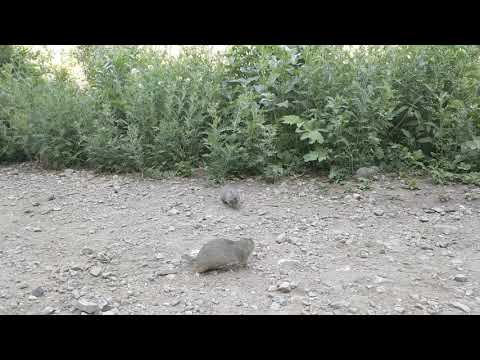
Let’s talk about how these animals differ in classification, looks, and body shape. Next up: which names actually matter, how their sizes stack up, and what tail or body quirks help you tell them apart.
Taxonomy and Classification
You can spot a prairie dog by its scientific group. Prairie dogs belong to the genus Cynomys in the squirrel family Sciuridae.
Ground squirrels make up a bigger group. They include several genera like Urocitellus, Spermophilus (you’ll still see that name in older books), and others spread across North America, Europe, and Asia.
If you stumble on a rodent living in a big prairie colony, digging complex burrows, and hanging out with lots of family, you’re probably looking at a Cynomys species. The Mexican prairie dog, for example, is a true prairie dog in Cynomys—not just any ground squirrel.
Field guides usually list genus names, so checking that can clear up what you’re seeing. Is it a prairie dog or a different ground squirrel, like the California ground squirrel (Urocitellus or sometimes Spermophilus)?
Physical Appearance and Size
You can spot differences in size and face shape pretty quickly. Prairie dogs usually weigh 1–4 pounds and stretch about 12–16 inches long. Their heads look rounded and their bodies are pretty stout.
Ground squirrels, though, are all over the place. Some barely tip the scales at a pound, while marmots—also ground squirrels—can weigh over 20 pounds.
Color and markings give you more hints. Prairie dogs usually have a tan to brown, almost uniform coat. Ground squirrels might show stripes, spots, or grayer fur.
If you see a bigger, chunkier rodent out in the grasslands, odds are it’s a prairie dog. But if it’s striped or matches the size of a California ground squirrel, it’s probably just another ground squirrel species.
Tail Length and Body Structure
Tail shape and length are dead giveaways. Prairie dogs have short, blunt tails with a little tuft at the end. Their tails fit their compact, upright bodies.
Ground squirrels? Some have long, bushy tails like the California ground squirrel. Others keep it short, but the fur texture can still look different.
Their posture also stands out. Prairie dogs often sit upright on their hind legs, scanning for predators. Their limbs and shoulders make that stance possible.
A lot of ground squirrels do this too, but those with longer tails might use them for balance while climbing or moving over uneven ground.
If you pay attention to tail length, tuft size, and how they sit, you’ll have a much easier time telling prairie dogs from other ground squirrels.
For more on genus differences and social quirks, check out this comparison of ground squirrels and prairie dogs.
Lifestyle and Habits: Social Structure, Habitat, and Burrowing

Prairie dogs and many ground squirrels dig complex burrows, munch mostly on plants, and stick to open ground where they can keep an eye out for danger. Their homes and social lives shape the plants around them and even help other animals get by.
Habitat Preferences and Distribution
You’ll mostly find prairie dogs in North American grasslands and shrub-steppe. Black-tailed prairie dogs stick to shortgrass plains in the central U.S.
Gunnison’s and Utah prairie dogs prefer higher or drier regions. Many ground squirrels live in open habitats too, but some pick deserts, rocky hills, or even mixed farmland.
Soil and plant cover matter a lot. You’ll see big prairie dog towns on deep, well-drained soils with plenty of grass and forbs. In deserts, round-tailed ground squirrels go for sandy loam and sparse plants.
When agriculture takes over native prairie, both prairie dogs and ground squirrels tend to disappear or move to whatever patches are left.
Burrow Systems and Colony Structure
Burrows can be simple tunnels or massive networks with lots of chambers. Prairie dog towns often have dozens or even hundreds of family groups, called coteries, each with its own cluster of burrows and surface mounds.
Those volcano-shaped mounds mark entrances—they work as lookout spots and help drain rainwater.
Ground squirrel burrows are usually smaller and more spread out, but sometimes you’ll find loose colonies. Their burrows have sleeping spots, nurseries, and piles of dirt outside.
This setup helps with temperature, hiding babies, and giving them a quick escape if needed. The scene above ground usually hints at how crowded it is below.
Social Behavior and Communication
Prairie dogs show tight social bonds and some pretty wild communication. You’ll catch them grooming each other, helping care for young that aren’t theirs, and teaming up to defend their group.
Their alarm calls change depending on the predator and even the direction it’s coming from. Some researchers think they can get pretty specific with those calls.
Ground squirrels can be social too, but their groups usually aren’t as organized as prairie dog towns.
Visual signals matter a lot. You might see sentinels standing on mounds, flicking their tails or making that classic jump-yip. These moves warn others and help coordinate when to dive into burrows.
In deserts, both hearing and watching out can mean the difference between life and death, with so many predators around.
Feeding and Ecological Roles
Both groups mostly eat grasses, seeds, and buds. Sometimes, they’ll even snack on insects, so you’d probably call them herbivores with a taste for whatever’s handy.
Prairie dogs graze by clipping vegetation close to their burrows. This habit changes which plants grow nearby and actually helps some native grasses do better. Ground squirrels wander around to forage and, in some species, stash seeds for later.
They dig and leave droppings that fertilize the soil. These actions create little microhabitats for insects, burrowing owls, and even small carnivores. When prairie dog towns shrink, local biodiversity usually takes a hit.
Honestly, their grazing and burrowing act as ecosystem services. It’s wild how much they shape the look and function of grasslands and desert edges.
Relevant reading: prairie dog facts and behavior are summarized at A-Z Animals and ground squirrel background is covered on Wikipedia.


