
You may notice a small, red, irritated spot and assume it is a harmless bite. An early brown recluse bite can look mild before it changes over the next day or two.

The most useful clue is the timeline, because a true brown recluse bite often starts with little pain and then becomes more irritated, discolored, or swollen within 24 to 48 hours. That pattern makes early brown recluse bite identification difficult. Changes over time matter more than the first look alone.
What An Early Bite May Look Like

An early brown recluse bite often looks underwhelming at first, which is why people miss it. The skin may show a small red mark, slight swelling, or a pale center with little pain, then change as the bite moves through typical brown recluse bite stages and other spider bite stages.
First Hours: Mild Or Delayed Symptoms
During the first few hours, you may feel nothing at all, or just a mild sting or itch. According to early-stage brown recluse bite stages, many people only see a small red spot or slightly raised area, with no blister and no drainage.
Changes Within 24 To 48 Hours
By the next day or two, the area can become warmer, more painful, or more swollen. A pale center, blue or purple tint, or a firm ring of redness can appear, making the lesion look more distinct than a common minor insect bite.
Why Early Identification Is Difficult
An early brown recluse bite can resemble a mosquito bite, a scratch, or another irritated patch of skin. Photos help with comparison, but they cannot confirm a brown recluse spider bite, especially when the wound has not yet progressed.
Brown Recluse Vs. Common House Spider
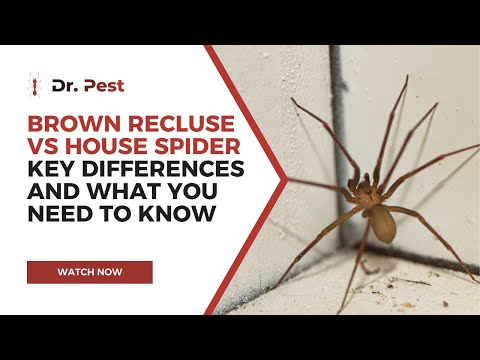
A brown recluse, also called Loxosceles reclusa or violin spider, is the spider most people worry about when a bite starts to worsen. A common house spider usually causes far less concern, and its bites are far less likely to create the delayed skin changes associated with a brown recluse spider.
Visual Clues At The Bite Site
A suspected brown recluse bite often develops a pale center, surrounding redness, and later darkening in the middle. A common house spider bite is more likely to stay limited to minor redness, small swelling, or a short-lived irritated bump without the color shift that raises concern.
Pain, Swelling, And Blister Patterns
Brown recluse pain often starts slowly, then becomes more noticeable over time. A house spider bite is usually mild and short-lived.
Blistering, firm swelling, and a darkening center fit the classic pattern more than a routine house spider bite.
When A Suspected Spider Bite May Be Something Else
People often blame many lesions on a brown recluse, but they turn out to be something else, including skin irritation or infection. If the area spreads quickly, drains pus, or feels hot and increasingly tender, the problem may not be a spider bite at all.
Warning Signs That Need Medical Attention

Watch closely for signs that the wound is moving beyond a simple local reaction. Those changes can point to signs of infection, tissue injury, or a more serious bite that needs prompt evaluation.
Signs Of Infection To Watch For
Seek care if you notice spreading redness, pus, fever, chills, or increasing warmth around the wound. Those findings are more consistent with signs of infection or another skin problem than a quiet, healing bite.
Worsening Skin Damage And Tissue Changes
A dark center, an open sore, or an eschar can signal tissue breakdown. If the skin begins to break down into ulceration, medical care becomes more important, especially when the area keeps enlarging.
Whole-Body Symptoms That Should Not Be Ignored
Get medical attention quickly if you develop nausea, muscle aches, headache, or a general feeling of illness after a suspected bite. Worsening pain, rapid spread, or systemic symptoms deserve prompt evaluation, especially if you are in an area where brown recluse spiders are known to live.
What To Do After A Suspicious Spider Bite

Clean, calm first aid is usually the safest response while you watch for changes. Try to reduce irritation, limit swelling, and avoid actions that can worsen the wound.
Simple First Aid Steps
Wash the area with soap and water. Apply a cool compress and keep the limb elevated if possible.
Mark the edge of redness with a pen so you can tell whether it spreads. Take a photo for comparison over the next several hours.
What Not To Do
Do not cut the wound, squeeze it, apply ice directly to skin, or use harsh home remedies. Those steps can increase damage or make it harder to tell whether the bite is worsening.
How Healing Usually Progresses
A mild bite may improve over several days. Redness fades and tenderness eases during this time.
If the bite comes from a true brown recluse, the skin can worsen before it improves. Close observation and medical review matter when the area changes color, becomes more painful, or opens up.


