
You might think giraffes always sleep standing up since you usually spot them upright out on the savannah. Most of the time, giraffes nap while standing, but they do lie down for deeper sleep—just for a few minutes at a time, though.

That split approach keeps them safer and more alert, don’t you think? Let’s look at when giraffes stand or lie down, how little they actually sleep, and the way predators and their environment mess with their sleep habits.
Do Giraffes Sleep While Standing?
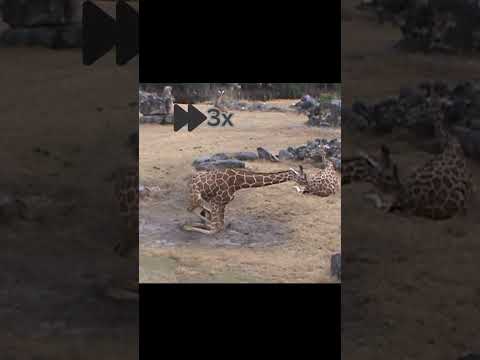
Giraffes rest standing up pretty often, but sometimes they’ll lie down for a brief, deep sleep. You’ll see how they use short standing naps, when they actually lie down, and why each position matters for their safety and sleep quality.
Forms of Rest in Giraffes
Giraffes have two main ways to rest: light standing naps and deeper sleep while lying down. Standing naps happen a lot and don’t last long.
You might catch a giraffe just standing still, neck drooped forward a bit. Those naps usually last only a few minutes and help them stay on their toes.
When giraffes lie down, they fold their legs under their bodies and sometimes keep their necks up. Lying down gives them a shot at REM sleep, but they don’t do it much since it makes them easier targets for predators.
In zoos or safe places, giraffes lie down more and show more obvious REM sleep.
You can spot the difference by checking if their eyes are closed, how they hold their head, and how still they are. Standing sleep often comes with one eye blinking and quick head lifts.
When they’re really out, lying down, they look fully relaxed and sometimes even tuck their head on their rump.
How Do Giraffes Sleep Standing Up?
When a giraffe sleeps standing, it stays kind of alert. They lock their legs and let their muscles relax just enough to rest without falling over.
This position doesn’t last long and keeps them ready to bolt if needed.
Their brains don’t go into deep sleep during these standing naps. Researchers have found that giraffes break up their daily sleep into tons of short naps, adding up to less than an hour in the wild.
You’ll see them switch between eating, chewing cud, and catching quick dozes while standing up.
Standing sleep often means one eye partly open or a quick neck flick. That’s a smart move—if a predator shows up, they can react fast.
It’s really a safety-first approach, sacrificing deep sleep for a better shot at survival.
Standing Naps vs. Lying Down
Standing naps help them stay safe and ready to run. These naps last just seconds or a few minutes, and let them stay close to food and their group.
They take these naps throughout the day, but usually don’t get to REM sleep.
Lying down lets them get deeper rest and REM sleep. When they’re flat, giraffes might sleep with their heads on their rumps, but those REM moments are super short.
Lying down makes them vulnerable, so they don’t risk it for long.
Here’s a quick comparison:
- Standing: short, frequent, semi-alert, almost never REM.
- Lying down: rare, a bit longer, includes REM, but riskier.
In captivity, giraffes lie down more and get normal REM cycles. In the wild, you’ll mostly see standing sleep, with just a few quick recumbent naps.
Why Giraffes Sleep Standing Up
Giraffes sleep standing up mainly to dodge predators. Their height helps them spot trouble, and standing lets them take off way faster than if they had to get up from the ground.
That quick escape can save their life.
Giraffes also don’t need much sleep. Over time, they’ve adapted to get by with short bursts of rest, so standing naps fit their lifestyle of constant eating and roaming.
Their bodies are built to handle these quick rests, even while standing.
In zoos, where there’s no threat, giraffes lie down more and get longer, deeper sleep. But out in the wild, they stick to standing naps to keep themselves and their herd safer.
Giraffe Sleep Patterns and Influencing Factors

Giraffes sleep in short bursts, switching between standing and lying down, and change their habits depending on how safe they feel and what’s going on around them.
They get way less sleep than most mammals. Age, species, and whether they’re in captivity all play a part in how and where they rest.
How Long Do Giraffes Sleep Each Day
Most giraffes catch between 30 minutes and about 4.6 hours of sleep over 24 hours, depending on who’s measuring and where they are.
Wild giraffes usually get less than two hours a day, with naps that last just a few minutes. In captivity, they’ve been recorded sleeping closer to 4–5 hours, since they don’t have to worry about predators and can lie down safely.
Nearly all of their sleep is light and scattered in short bursts. REM sleep happens, but it’s quick and usually only when they’re lying down with their head on their rump.
Why Do Giraffes Sleep So Little?
You probably sleep for both safety and to recharge; giraffes do too, but they have to deal with way more predators. Napping while standing lets them wake up and run instantly, so they’d rather take lots of short rests than risk a long, deep sleep.
Their big bodies and long necks also make deep sleep tricky—lying down and getting up isn’t exactly quick or easy for them.
Energy needs play a role too. Giraffes spend hours and hours eating leaves, so there’s not much time left for long sleep sessions.
All these factors push giraffes toward brief naps and less total sleep.
Differences Between Wild and Captive Giraffes
Wild giraffes stay on high alert and sleep less. With predators around and the need to travel for food, they grab shorter naps, usually while standing.
Groups in the wild, like Masai or reticulated giraffes, often take turns resting so someone’s always watching.
In captivity, giraffes get more deep sleep and spend more time lying down. Zoos and reserves keep them safe and offer regular food, which lets them relax and get those rare REM episodes.
Sometimes, captive giraffes can sleep for several hours on a good night.
Sleep Variations by Age and Species
Young giraffes need more rest. They often sleep longer and more frequently than adults.
Juveniles usually rack up higher totals and spend more time lying down as they grow. In contrast, older adults nap more while standing and their deep-sleep episodes don’t last as long.
Species differences? They’re there, but honestly, they’re pretty subtle. When you look at Masai giraffes and reticulated giraffes, you’ll spot similar sleep patterns.
Local habitat and predator pressure seem to matter more than species traits. When predators lurk nearby, both species cut back on sleep and prefer standing naps.
If you want specific details about recorded sleep, check out published studies of captive and wild giraffes. These studies track how long giraffes sleep and how often, so they’re worth a look.


