
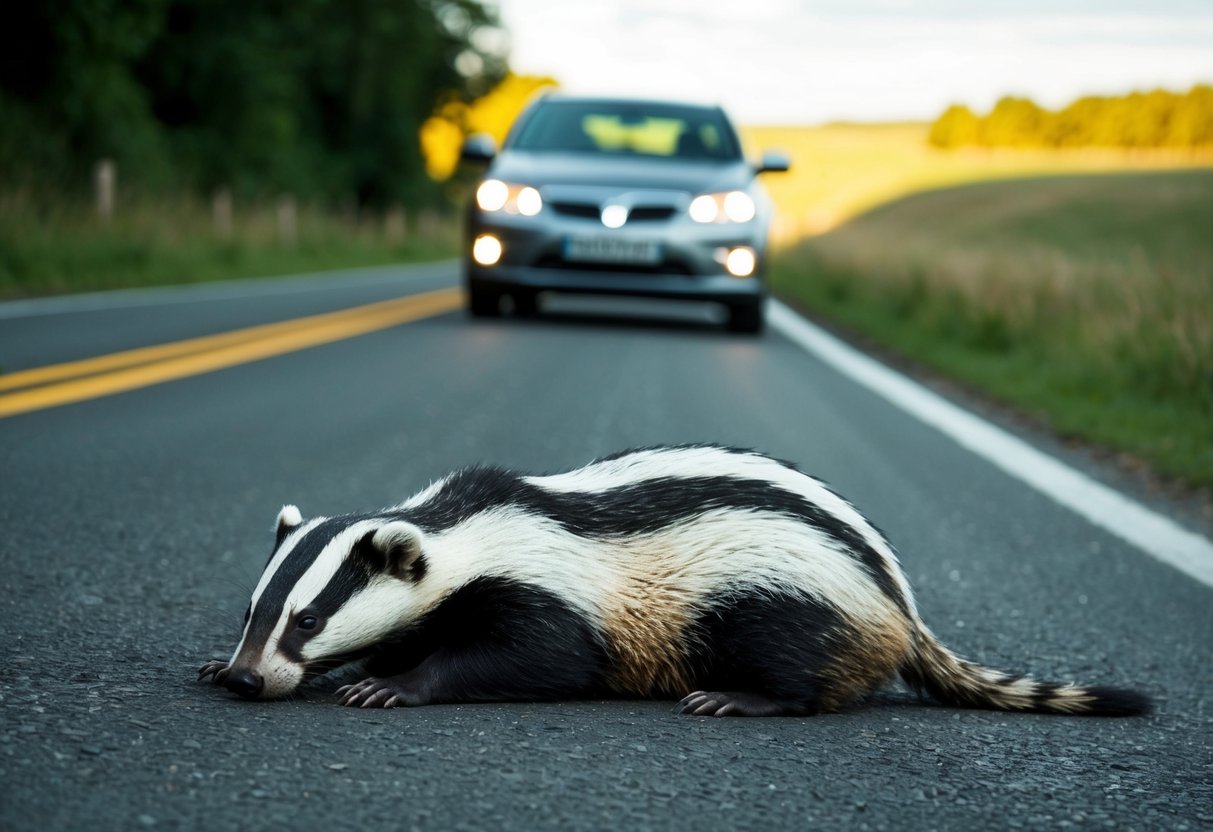
Hitting a badger while driving can be an upsetting experience, and many people wonder what their legal responsibilities are in such a situation. If you hit a badger in the UK, you must report the incident to the police. This is important not only for legal reasons but also to protect local wildlife and ensure the well-being of these animals.
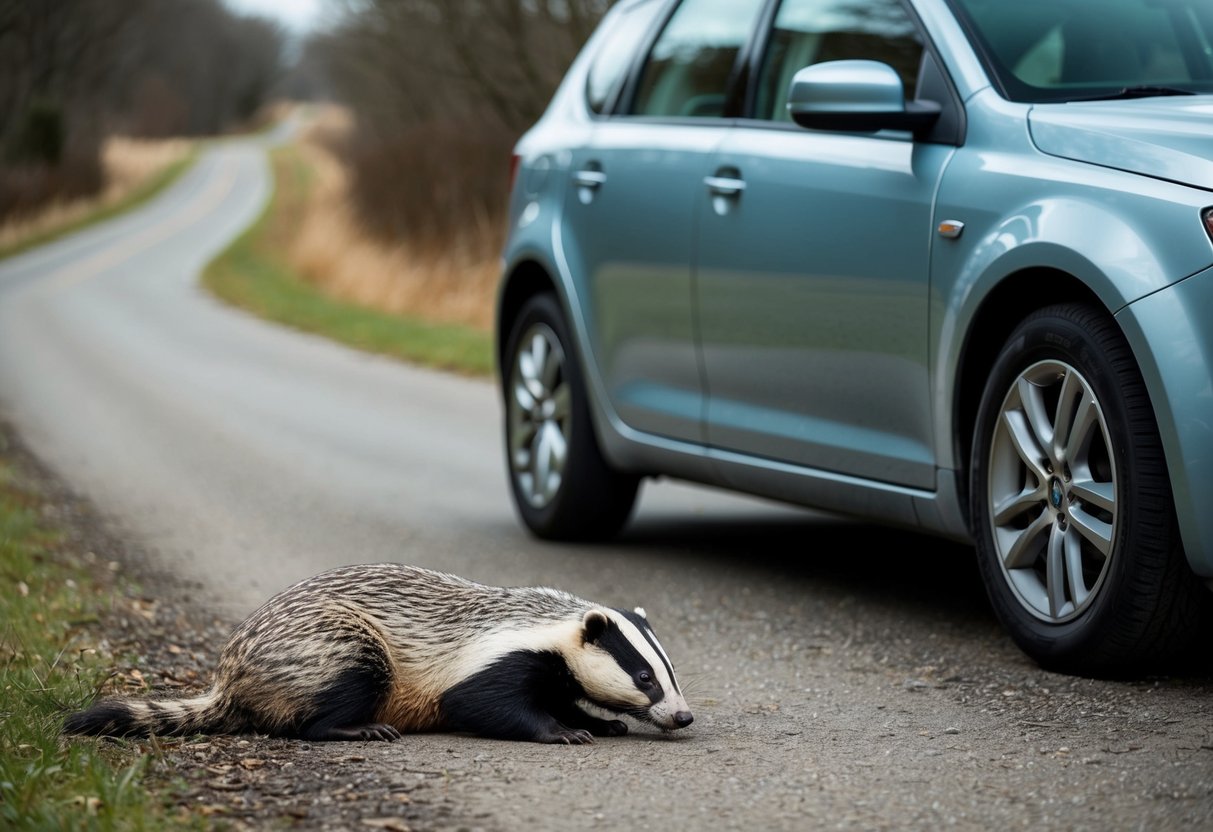
Badgers are protected under UK law, and failing to report a collision could lead to potential wildlife crimes. Agencies like the RSPCA encourage drivers to take action whenever possible to help these animals.
Reporting the accident to your local council is also a wise step, as they can assist with any necessary measures for dealing with injured wildlife.
By understanding your responsibilities when it comes to hitting a badger, you can contribute to wildlife protection and make a positive impact in your community. Taking these steps helps safeguard badgers and ensures that incidents are handled properly.
Legal Obligations After a Badger Collision
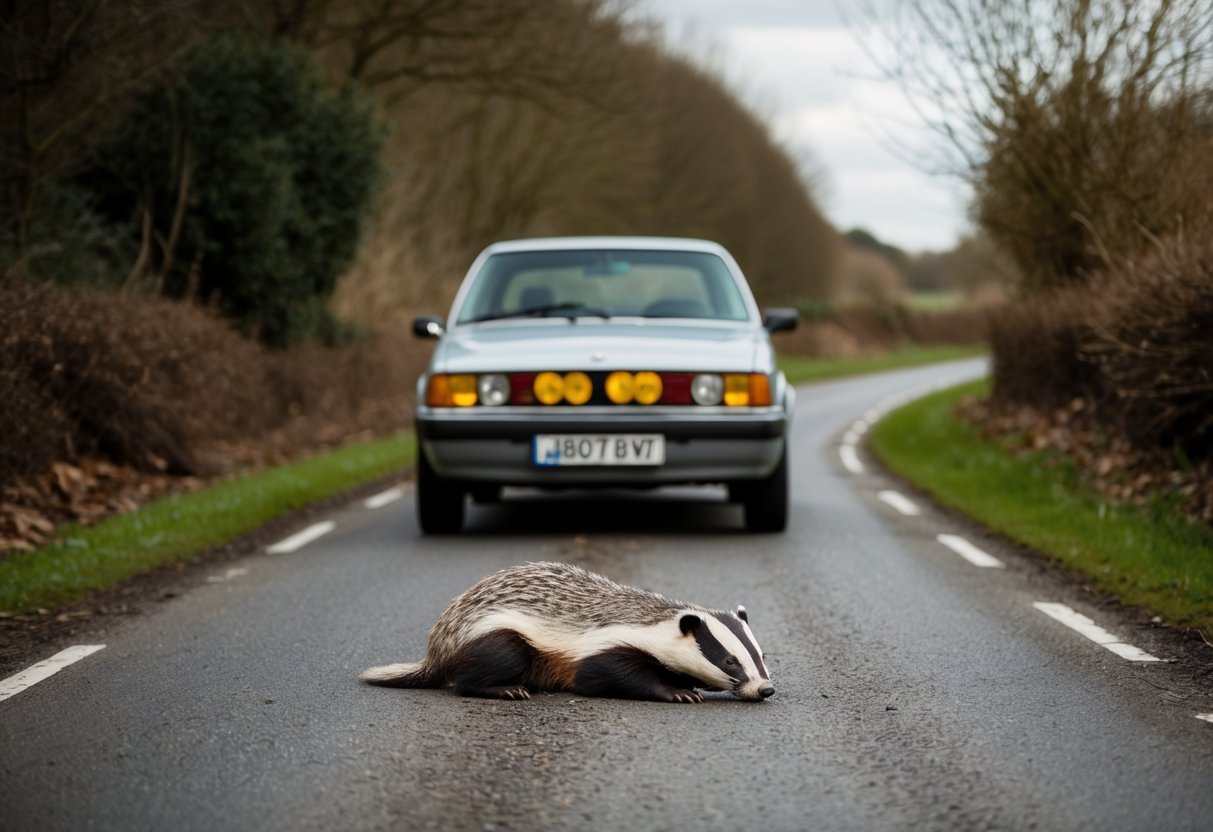
If you hit a badger while driving in the UK, it’s important to know your legal obligations. Reporting the incident can help protect wildlife and ensure proper action is taken.
Reporting Requirements
You must report the accident to the local council if you hit a badger. This is important because badgers are protected under the Protection of Badgers Act 1992. Not informing the proper authorities could lead to potential fines.
When you report the incident, include details such as the time, location, and any relevant circumstances. The Wildlife Incident Investigation Scheme (WIIS) also collects data to study these occurrences.
Additionally, if the badger is injured or dead, notifying the council helps with wildlife management efforts. This can assist authorities in taking action against wildlife crimes.
Handling Badger Incidents
If you hit a badger, check if it’s alive or injured. If it is safe, you can attempt to help the animal. If you can’t safely assist, call local animal rescue or wildlife services.
Always take care of yourself and other road users first. After ensuring your safety, inform the appropriate authorities. They have the training to handle the situation correctly.
Remember, badgers are a protected species. Therefore, any handling of the animal should respect the laws in place. You might need a special license if you consider any further actions. Always follow the guidance of local wildlife services to avoid legal issues related to wildlife protection.
Rescue and Rehabilitation
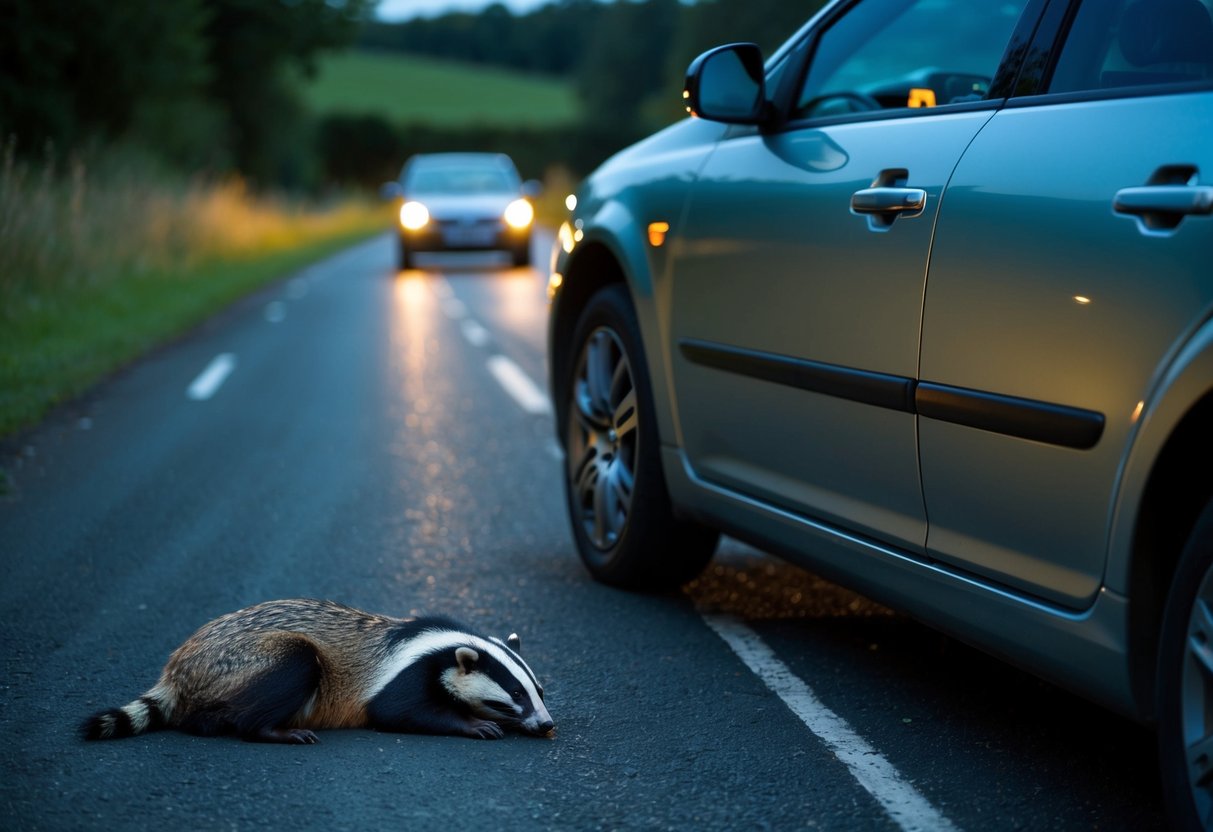
If you encounter an injured badger, knowing what steps to take can help ensure its safety and well-being. Acting quickly and responsibly is key.
Contacting Animal Welfare Organizations
If you see an injured badger, the first thing to do is contact an animal welfare organization. Agencies like the RSPCA or local wildlife rescue services, such as the SSPCA or USPCA, have trained professionals who can assist.
Provide details about the badger’s condition and location. Be clear and concise to help them respond effectively.
You can also reach out to the Badger Trust for guidance. They can provide resources and support for dealing with badgers specifically.
What to Do With Injured Badgers
If you come across an injured badger, avoid handling it yourself. Badgers can be unpredictable when scared, and attempting to move them may cause harm to you or the animal.
Instead, make sure the area is safe. If the badger is near a road, put on your hazard lights and protect the scene from oncoming traffic.
It’s important to keep a reflective tabard in your car for visibility. After ensuring safety, call the rescue number for help, like the RSPCA’s emergency line. Remember, they know the best procedures for dealing with injured wildlife.
Understanding Badgers and Their Habitats
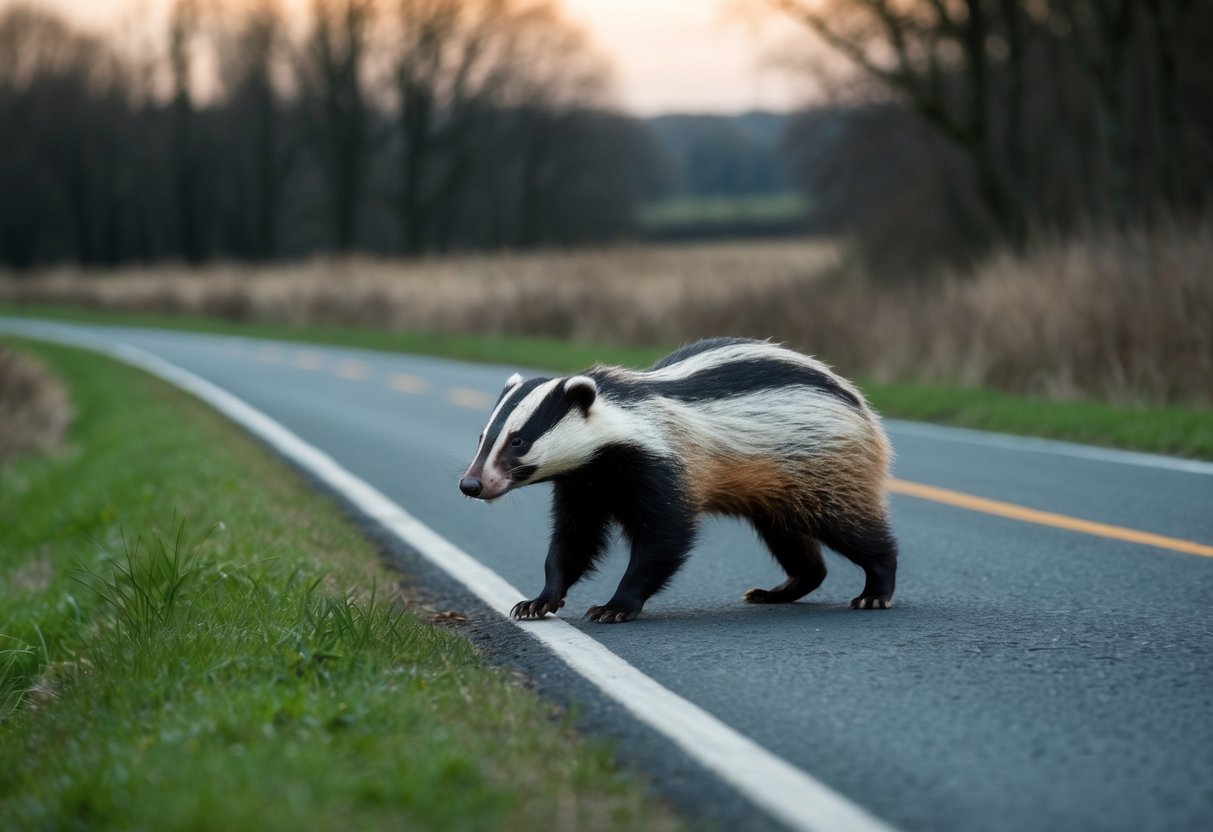
Badgers are fascinating wild animals with specific habitats and behaviors. Recognizing these aspects will help you understand their role in the ecosystem and the importance of protecting them.
Badger Setts and Behavior
Badger setts are underground homes where badgers live and raise their young. These setts can be complex, often stretching for many meters with multiple entrances.
You might find them in wooded areas, grasslands, or even beneath hedgerows.
Badgers are social creatures and usually live in family groups. They are mostly nocturnal, meaning they are active at night when they search for food like earthworms, insects, and fruits.
While they can be shy, badgers can also be curious. If you encounter one, it’s best to observe from a distance without trying to approach.
Protection of Badgers and Their Homes
In the UK, badgers are protected by law due to the threats they face, including persecution and habitat loss.
Disturbing or damaging a badger sett is illegal and can lead to heavy fines or other penalties.
You can help support badger populations by reporting any suspicious activity, like badger baiting. Additionally, avoid letting your domestic pets, like dogs, near badger setts. This helps protect both the badgers and your pets from potential conflicts.
Contributing to Badger Conservation
You can play an important role in badger conservation. Here are some ways to help:
-
Report Badger Crime: If you see any suspicious activity involving badgers, report it. This can include illegal killing or disturbance of setts. Your action can help protect these animals.
-
Join Badger Groups: Connect with local badger groups or the Badger Trust. They work hard to protect badgers and their habitats. Becoming a member can keep you informed and involved.
-
Become an Advocate: Raise awareness about badger protection in your community. Talk to your friends and family about how important badgers are and how to help them.
-
Educate Yourself: Learn about wildlife crimes and the laws that protect badgers. Understanding these issues helps you become a better advocate for their protection.
-
Support Local Efforts: Participate in local conservation activities or events. Many organizations organize events to clean up badger habitats or provide education on wildlife conservation.
Every small effort counts. By taking these steps, you contribute to the safety and well-being of badgers in your area.


