
Squirrels are fascinating creatures, often seen darting around parks and backyards. You might wonder about their sleeping habits and if they sleep through the day. Many squirrels do sleep during the day, but they are not completely inactive. These diurnal animals have a unique pattern of short naps that help them stay alert and energetic during their waking hours.
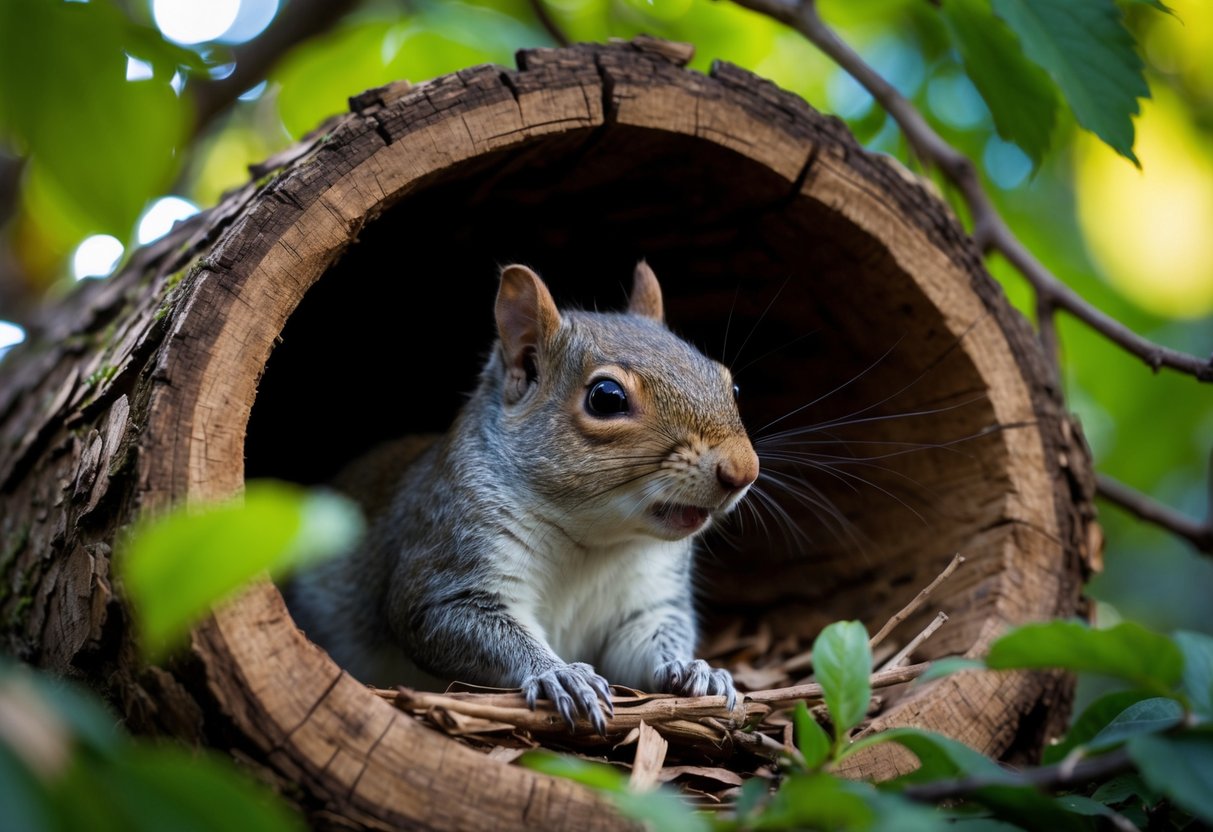
Most squirrels typically take breaks to rest, especially after a busy morning of foraging. They can sleep for several hours a day, often curling up in their nests or dreys, which keeps them safe from predators. Understanding when squirrels sleep can help you spot them during their active times.
If you’re curious about how to better appreciate these lively animals, learning about their sleeping habits is key. Knowing when and where squirrels rest can help you connect with nature and maybe even catch a glimpse of their playful side when they wake up!
Understanding Squirrel Sleep Patterns

Squirrels have unique sleep patterns influenced by their environment and behaviors. These patterns help them avoid predators and adapt to changing seasons and temperatures.
Circadian Rhythms and Activity
Squirrels are primarily diurnal animals, meaning they are most active during the day and rest at night. You might notice them moving around in the early mornings or late afternoons. They tend to follow a patterned routine, looking for food and exploring their surroundings.
Their sleep is usually deeper in the cooler hours of the night. In warm weather, they may take shorter naps during the day to stay alert. This behavior helps them conserve energy while staying vigilant against threats.
The Role of Predators in Squirrel Sleep
Avoiding predators is crucial for squirrels. They are often in danger from larger animals like hawks, foxes, and snakes. This threat affects how and when they sleep. To minimize risk, they might choose to sleep in hidden areas or nests.
If they sense danger, they can quickly awaken and flee. Their sleep patterns are thus not just about rest; they also serve as a vital survival mechanism. Staying alert helps them avoid becoming a meal for predators.
Impact of Seasons on Squirrel Sleep
Seasonal changes greatly affect squirrel sleep habits. During warmer months, squirrels are more active, as they need to find food. This can lead to shorter sleep periods, as they gather nuts and seeds.
As temperatures drop in winter, some species enter a state called torpor, where their body slows down to conserve energy. In places where food is scarce, squirrels may also experience hibernation or estivation, causing them to sleep for extended periods.
These adaptations allow squirrels to thrive even in challenging weather conditions.
Squirrel Habitats and Nesting Behaviors

Squirrels have interesting nesting behaviors and habitats that play a vital role in their daily routines. Understanding these aspects helps you appreciate how they survive and thrive in different environments.
Types of Squirrel Nests
Squirrels create various types of nests to sleep and raise their young. The most common type, called a drey, is built high in trees using leaves, twigs, and moss. Tree squirrels, such as gray squirrels and red squirrels, often use dreys for their nests.
Ground squirrels, on the other hand, dig burrows underground. These burrows provide shelter from predators and harsh weather. Flying squirrels may nest in tree cavities or even use old nests from other animals. Each type of nest serves its purpose in keeping squirrels safe and cozy, depending on their environment.
Foraging and Food Impact on Resting Sites
Squirrels are known for their foraging habits, which directly affect their choice of resting sites. They spend a lot of time looking for food like nuts, seeds, and fruits. When food availability is high, they might choose nests closer to these resources to save energy.
During winter, when food is scarce, squirrels may sleep more and conserve energy. This behavior helps them manage their sleep duration, which can range from 14 to 20 hours a day. The need to balance food finding with resting is essential for their survival.
Squirrel Species and Their Unique Sleeping Habits
Different squirrel species exhibit unique sleeping habits based on their environments. For instance, gray squirrels primarily nest in trees and prefer higher locations for safety. Red squirrels may choose more secluded spots and have a straightforward nesting approach.
Flying squirrels are nocturnal and tend to sleep during the day in tree hollows or nests. Baby squirrels, or kits, remain dependent on their mothers for warmth and care until they are ready to explore on their own. Understanding these behaviors helps you get a glimpse into their world and how they adapt to their habitats.


