
Squirrels are primarily active during the day, so you might wonder if they make noise at night in the UK. While most UK squirrels are diurnal and prefer the daylight hours for foraging and nesting activities, they can occasionally produce sounds at night. These noises might be heard if they feel threatened or during mating calls.

If you hear rustling or chirping at night, it could be a sign of nearby squirrels adjusting to their surroundings. Although they are not nocturnal, their communication can sometimes carry into the evening, especially if disturbances occur in their habitat. So, while it’s less common, you might catch a glimpse or hear a sound from these lively creatures after dark.
Understanding squirrel behavior can help you appreciate their place in the ecosystem. If you’re curious about what these sounds mean or which species you might encounter, keep reading for more insights into these fascinating animals and their nighttime activities in the UK.
Understanding Squirrel Behavior
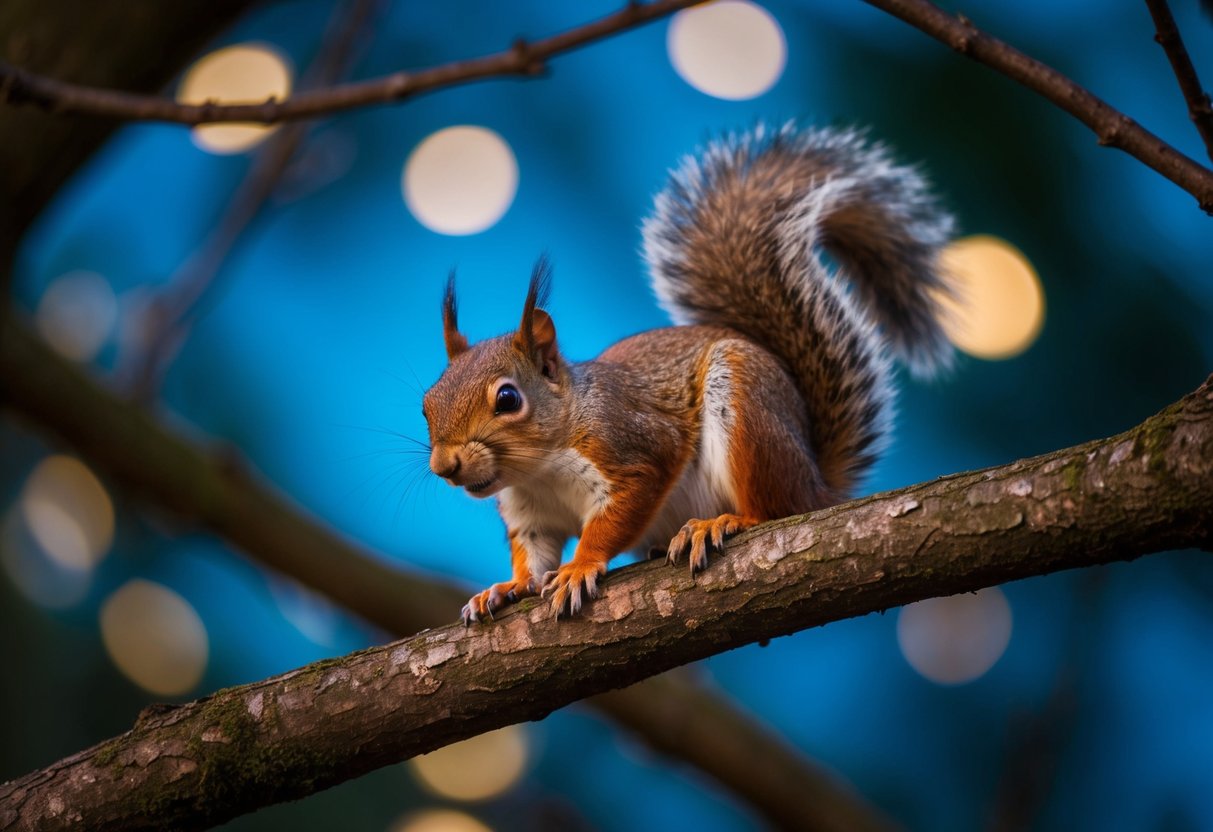
Squirrels have distinct behavior patterns that vary by species and time of day. Knowing how they act can help you appreciate these lively creatures and understand their noises, especially at night.
Daily Patterns and Nocturnal Activity
Most squirrels are diurnal, meaning they are active during the day. Tree squirrels and ground squirrels spend their daylight hours foraging for food and defending their territory. They build nests in trees or burrows to stay safe.
While it is uncommon, some squirrels, like flying squirrels, can be active at night. They may forage for food during these hours to avoid predators. You might hear noises from them, such as scurrying and chirping, as they move about in the trees.
Communication and Vocalizations
Squirrels use a range of sounds to communicate. They make alarm calls when they sense danger. These calls alert other squirrels of predators nearby and help keep them safe.
For example, if a threat is near, they may emit warning calls that sound like sharp barks. Baby squirrels also communicate with their mothers through softer chirps when seeking attention. Understanding these sounds can help you know what squirrels are trying to say.
Variations Among Species
Different types of squirrels show varying behaviors. Tree squirrels are known for their agility and skill in climbing. Ground squirrels, on the other hand, often dig and live in burrows.
Flying squirrels are unique because they glide between trees at night. Each species has adapted to its environment. This means their activities and sounds may change based on factors like food availability and predator presence. Recognizing these variations can enhance your appreciation of their world.
Identifying Common Squirrel Noises

When you hear noises at night, it might be interesting to identify what you are hearing. Squirrels, especially in the UK, produce a variety of sounds that are unique and can indicate different behaviors or feelings.
Noises During the Night
At night, you may notice various squirrel sounds coming from your garden or nearby trees. The most common noises include:
- Barking: This is often a warning signal. Squirrels may bark to alert others of potential danger.
- Chirping and Chatters: These friendly sounds are usually made during play or social interactions.
- Moans and Screeches: These high-pitched vocalizations can signal distress or fear.
You might also hear buzzing or quaas, which can indicate curiosity or excitement. Pay attention to the intensity and frequency of the sounds to distinguish between playful and alarmed squirrels.
Interpreting Squirrel Sounds
Understanding the meanings behind squirrel noises can be quite helpful. Different sounds indicate different emotions or events. For example:
- Seet Sounds: Often made during mating season, these short, high-pitched calls are used to attract partners.
- Scratching Noises: If you hear scratching, squirrels might be exploring or nesting in trees, sheds, or attics.
- High-Pitched Scream: This might indicate a squirrel is in threat or hurt, so keep an eye out.
Each sound has its own purpose, and by paying attention, you can learn a lot about the squirrels in your area. Listening closely can help you better understand their social interactions and behaviors.


