
Ever wonder if skunks can actually harm humans? Honestly, they usually don’t. Skunks aren’t aggressive and won’t go after you unless they feel threatened. Their main defense is spraying that infamous, eye-watering liquid—super unpleasant, but not really dangerous.
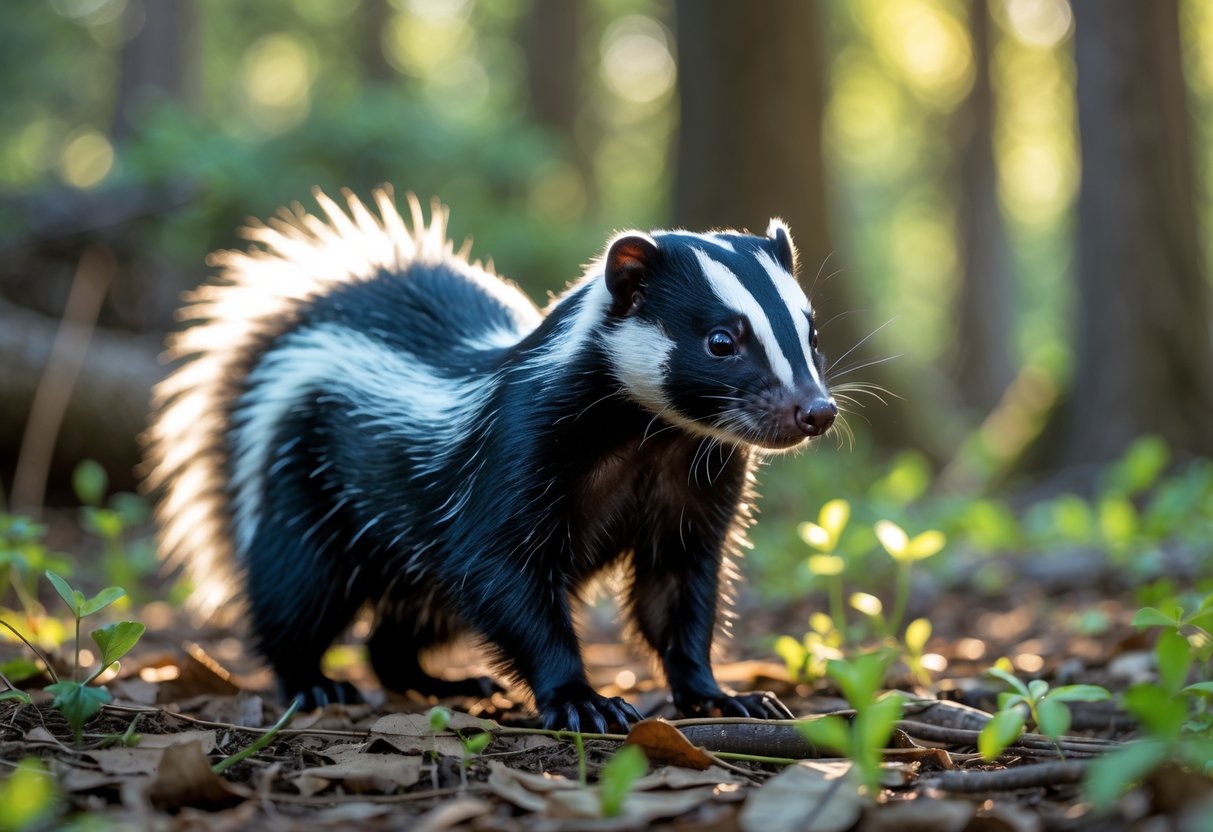
Skunks mostly want to be left alone, but they do carry some risks worth knowing about. Diseases and parasites can be an issue if you get too close. It pays to understand how skunks behave, so you can steer clear of trouble.
How Skunks Can Harm Humans
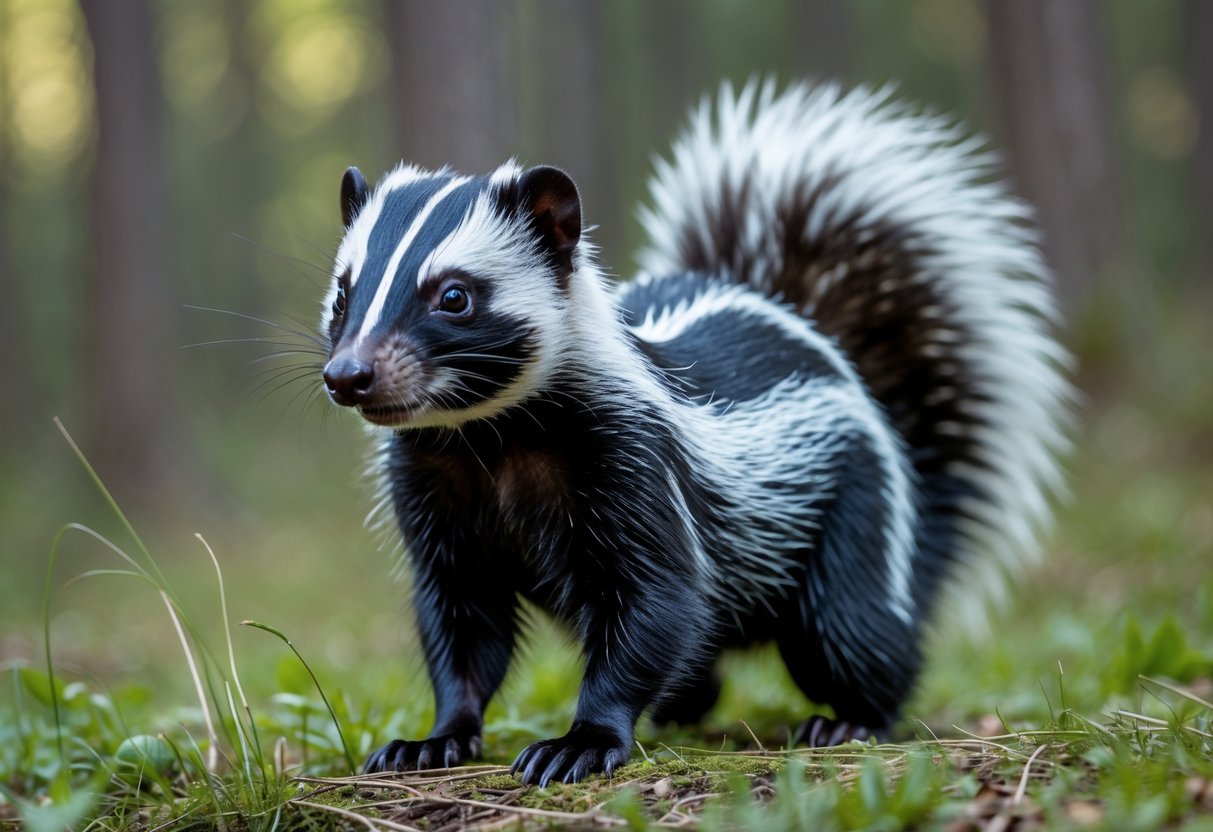
Skunks can cause problems for people in a few ways. Their bites and scratches might lead to infections.
They can spray you, and that stuff stinks for days. Skunks also carry diseases like rabies, and they often bring along parasites like fleas and ticks that can bother you or your pets.
Skunk Bites and Scratches
If you corner or scare a skunk, it might bite or scratch you. These wounds break the skin and let germs in.
Since skunks sometimes carry rabies, you should take any bite or scratch seriously. Clean the wound right away with soap and water.
After that, see a doctor to check if you need a rabies shot or something else. Skunk claws are sharp and can introduce bacteria, which could cause an infection if you ignore it.
Don’t try to handle wild skunks or get close to them. If you spot an injured skunk, just call animal control.
Dangers of Skunk Spray
Most people worry about getting sprayed. Skunks use a strong, oily musk that smells awful and lingers.
The spray can irritate your eyes and skin. If it gets in your eyes, rinse them with water right away.
The smell isn’t toxic, but it’s seriously hard to get rid of. If your clothes get sprayed, wash them as soon as possible.
If your pet gets hit, you can try a mix of hydrogen peroxide, baking soda, and dish soap. Water alone or most store-bought deodorizers usually don’t cut it.
Rabies and Disease Transmission
Rabies is probably the biggest risk skunks bring. They’re one of the main rabies carriers in North America.
Rabies only spreads through bites or scratches—skunk spray can’t give you rabies. If you see a skunk acting weird (wandering in daylight, drooling, staggering), keep your distance and contact animal control.
Skunks can carry other diseases too, like leptospirosis. That one can feel like the flu but might mess with your kidneys and liver if you don’t treat it.
Parasites Like Fleas and Ticks
Skunks often have fleas and ticks, and those can bite you or your pets. These parasites sometimes spread things like Lyme disease and tapeworms.
If your pets go outside, they could pick up these pests from spots where skunks hang out, like under sheds or around the trash. Using flea and tick prevention on pets really helps.
Parasites can also bring roundworms, which mess with digestion in people and animals. Avoid skunk dens and keep your yard tidy to lower your risk.
Tips to Prevent Skunk Problems
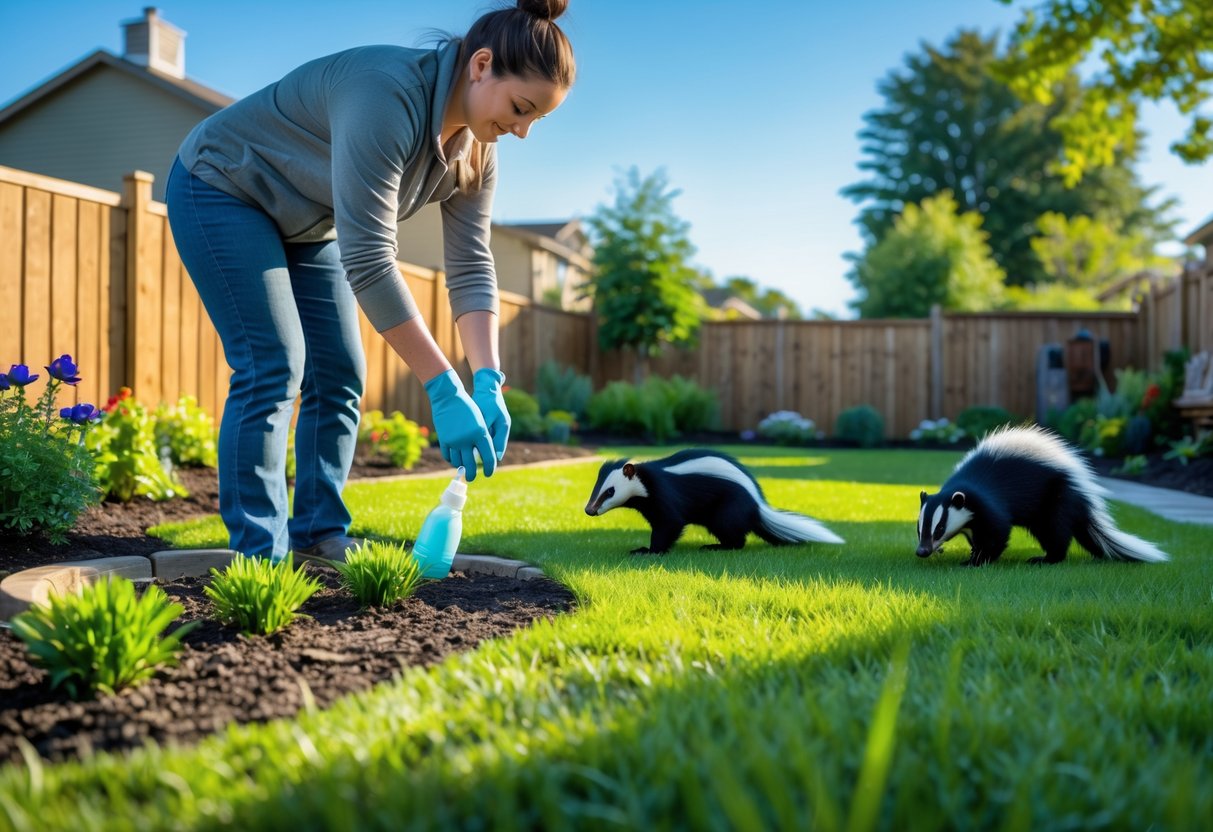
You can cut down on skunk problems by changing a few things around your property. Keeping skunks away mostly means avoiding surprise run-ins and removing stuff that attracts them.
If they do show up, knowing how to react calmly can save you from a smelly disaster.
Avoiding Skunk Encounters
Skunks come out at night, so keeping your yard lit can make them think twice. Motion-activated lights or sprinklers sometimes scare them off before they get close.
Don’t approach skunks if you spot one. They’ll usually stomp their feet or lift their tail before spraying.
If you stay calm and back away slowly, you’ll probably avoid getting sprayed. Keep pets inside or on a leash in the early morning or evening, since that’s when skunks are most active.
Making Your Property Less Attractive
Skunks look for easy food and places to hide. Lock up your garbage cans with tight lids or bungee cords.
Bring pet food inside at night and pick up any fallen fruit or spilled birdseed. These are easy meals for a hungry skunk.
Seal up gaps under porches, decks, and sheds so skunks can’t move in. Clear away brush piles or tall grass, since those spots make great hiding places.
Some folks use natural repellents like citrus peels or ammonia-soaked rags to keep skunks away without hurting them.
What to Do If Skunks Are Nearby
Spot a skunk hanging out near your place? Don’t go near it. Just give it lots of space and try to keep things quiet.
Take away any food or water you’ve got sitting outside. That usually encourages the skunk to wander off.
If the skunk decides to stick around and you really want it gone, call a wildlife control professional. Seriously, don’t try to trap or handle skunks yourself. You’ll just risk getting sprayed—or worse, dealing with something like rabies.
Did your pet get sprayed? Wash them right away with a mix of hydrogen peroxide, baking soda, and dish soap. Skip the tomato juice; it never really gets the smell out.
Want more tips on keeping skunks away? Check out advice on preventing skunks.


