
Many dog lovers are curious about the relationships their furry friends form. When it comes to Siberian Huskies, you might wonder if they get attached to one specific person. Huskies typically bond with the person who cares for them most, but they are not strictly one-person dogs. This means they can show love and loyalty to multiple people in their household.

Understanding how these social animals connect with their owners can help you build a stronger bond with your Husky. They often respond best to those who spend time interacting with them, such as feeding, walking, and playing. With the right approach, you can enjoy a deep relationship with your Husky while also nurturing their friendly nature.
Throughout this article, we’ll explore how Huskies form attachments and what you can do to strengthen your connection with them. Whether you’re a new owner or an experienced one, knowing more about your dog’s behavior can enrich your relationship.
Understanding Husky Attachment and Loyalty
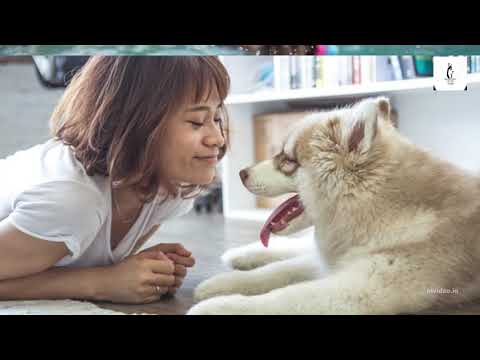
Huskies are known for their loyalty and unique bonding styles. Understanding their traits and how they form attachments can help you create a stronger relationship with your furry friend.
Husky Traits and Temperament
Huskies are friendly, energetic, and social dogs. They thrive on companionship and love interacting with people. Their pack mentality means they often seek to be part of your family unit.
You may notice signs of affection from your husky, like following you around or leaning against you. These actions show their trust and desire for closeness. However, remember that they can be stubborn and independent.
This independence can sometimes make training challenging. Consistent communication is essential to help them understand what you want. Establishing yourself as the pack leader helps build trust and loyalty over time.
Huskies as One-Person Dogs
While huskies can bond closely with one person, they are not strictly one-person dogs. Many will form connections with multiple family members.
Some huskies might develop a stronger attachment to the person who primarily provides care and attention. This bond often reflects their view of that person as the alpha or pack leader.
Even if they have a favorite, huskies can be warm and playful with everyone. They show love in various ways, including playful nudges and cuddling. Understanding their body language helps you recognize their emotions and needs.
This dynamic makes them wonderful companions, as they balance loyalty with a friendly spirit.
Creating a Strong Bond with Your Husky

Building a strong bond with your husky involves training, establishing trust, and fostering physical contact. These elements are key in developing a lasting friendship that your husky will cherish.
The Role of Training and Obedience
Training your husky is important for developing a strong bond. Using positive reinforcement helps them learn commands and build trust. When your husky follows commands, praise them with treats or affection. This makes them feel appreciated and encourages good behavior.
Consistency in training sessions is essential. Short, engaging sessions work best. Aim for around 10-15 minutes a day. Regular training not only teaches skills but also strengthens your relationship through teamwork.
Involvement in playful activities during training can be beneficial too. Incorporating games makes learning fun, allowing your husky to look to you as a leader while enjoying the process.
Establishing Trust Through Routine and Interaction
Creating a predictable routine helps your husky feel secure. Set specific times for meals, walks, and playtime. This structure allows your husky to understand what to expect, building trust over time.
Make it a habit to spend quality time together. Engage in activities like walks, fetch, or simply relaxing at home. Your consistent presence reinforces their feeling of safety and connection with you.
Frequent interactions also contribute to your bond. Talking to your husky, maintaining eye contact, and simply being near them can strengthen your relationship. This interaction creates a loving atmosphere, allowing your husky to feel more connected to you.
Physical Contact and Affection
Physical affection is vital for bonding. Activities such as cuddling, nuzzling, or gently petting can reinforce your connection. Huskies appreciate being close to their owners. They often show affection by licking your face or leaning against you.
Regular playtime also enhances your bond. Games like tug-of-war or fetch create joyful moments together. These fun experiences allow your husky to associate you with enjoyment and love.
Lastly, don’t overlook the importance of comfort. Allow your husky to snuggle with you on the couch or in bed. This closeness fosters intimacy and reassures them of your presence, solidifying your bond even more.
Addressing Separation Anxiety and Independence
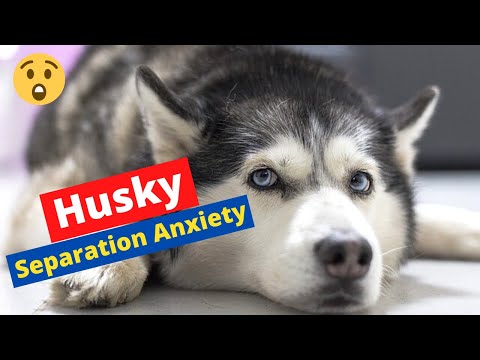
Huskies are known for their strong bonds with people, but this can lead to separation anxiety. It’s important to help your Husky feel secure and independent. You can do this by balancing your attention and recognizing the signs of anxiety.
Balancing Attention and Independence
To help your Husky become more independent, it’s essential to balance your attention. Spend quality time with your dog, but also encourage alone time. Start by leaving your Husky in a safe space for short periods. Gradually increase that time as they become more comfortable being alone.
You can create a routine that includes playtime and rest. Using calming toys or a comfortable bed can help your dog relax when you’re away. Teaching commands like “stay” can also assist in building their confidence to be alone.
Signs and Solutions for Separation Anxiety
A Husky with separation anxiety may show various behaviors that can be quite distressing. Some signs include:
- Excessive barking
- Destructive chewing
- Refusing to eat or drink
To address these issues, first, identify triggers. Try to change your pre-leaving routine to make departures less stressful. You might want to avoid long, emotional goodbyes.
Next, make sure your dog gets plenty of exercise. A tired dog is less likely to feel anxious. Additionally, consider training your Husky to be calm in your absence by rewarding them for staying relaxed when you leave.
Practical Tips for Raising a Well-Adjusted Husky

Raising a well-adjusted Siberian Husky involves a focus on exercise, mental stimulation, and socialization. These factors are crucial for ensuring your Husky is happy and well-behaved. Here are some practical tips to help you along the way.
Exercise and Mental Stimulation
Siberian Huskies need plenty of physical activity. Aim for at least 1-2 hours of exercise each day. This can include brisk walks, runs, or playtime in a safe area. Huskies are pack dogs, so group activities can be especially engaging for them.
In addition to physical exercise, mental stimulation is vital. Puzzle toys, interactive games, or training sessions can help keep your Husky’s mind sharp. Engage in activities that require problem-solving, such as hiding treats for your Husky to find.
Don’t forget to incorporate playtime that involves agility or chasing games. This not only helps burn energy but also fosters your bond through fun interactions.
Socialization and Dog Training
Proper socialization is key to a well-adjusted Husky. From a young age, introduce your dog to various environments, people, and other animals. This helps reduce fearfulness and enhances comfort in different settings.
Training is another essential aspect. Start with basic commands like “sit,” “stay,” and “come.” Positive reinforcement works well with Huskies, as they respond better to praise and treats rather than harsh correction.
Also, spend time engaging in eye contact during training. This can build trust and strengthen your connection. Group training classes can provide both social interaction for your dog and social support for you.
Husky Essentials for Daily Life
The right supplies make daily life easier for you and your Husky. Invest in a sturdy leash, collar, and harness to keep your dog secure during walks.
Husky food should contain high-quality protein and nutrients to support their energy levels. Regular feeding schedules can help develop a routine, aiding in proper behavior.
Don’t forget about grooming essentials. Huskies shed significantly, so brushes and vacuum cleaners are must-haves.
Providing a comfortable bed and toys for mental engagement is also important for their overall well-being.
Understanding your Husky’s behavior, like their tendency to howl, can help you respond appropriately. Regular check-ins will let you know if your Husky feels attached to you, helping you nurture that bond.


