
You’ve probably heard people say giraffes have four stomachs. Actually, they don’t have four separate stomachs—they’ve got one stomach split into four compartments that all work together to break down tough leaves.
This design helps explain why giraffes can handle fibrous, coarse plants most animals wouldn’t touch.

Picture a giraffe stretching its neck for acacia leaves, chewing slowly and thoughtfully. Ever wonder how those stomach compartments team up? Or why rumination matters so much? Let’s dig into how this system allows giraffes to squeeze out energy and water from the dry savanna.
Do Giraffes Really Have Four Stomachs?
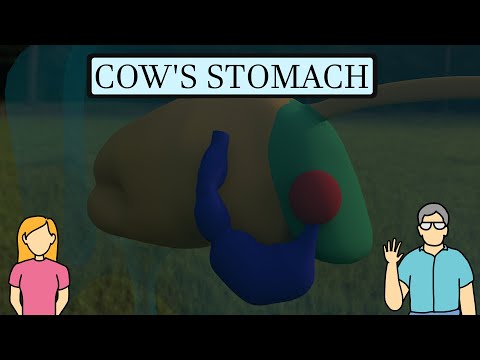
Giraffes don’t have four separate stomachs. Instead, they have a single stomach with four connected chambers, which let them break down tough leaves and absorb nutrients over time.
Understanding the Four-Chambered Stomach
Think of a giraffe’s stomach as four linked rooms, each with its own job. The first chamber, called the rumen, stores and ferments big amounts of plant material with the help of microbes.
This process lets fiber start breaking down before anything else happens.
Next up is the reticulum, which traps heavier particles and sends cud back up to the mouth. So, when you see a giraffe chewing again, that’s what’s going on.
The omasum comes third, absorbing water and some nutrients. Finally, the abomasum uses acids and enzymes to digest both the microbes and the food—pretty much like a regular stomach would.
Together, these four chambers let giraffes pull energy from thorny acacia leaves and other tough plants.
How Giraffes Compare to Other Ruminant Animals
You can compare giraffes to cows, sheep, and deer. All of these animals are ruminants, meaning they’ve got four stomach chambers.
The chamber names—rumen, reticulum, omasum, abomasum—stay pretty much the same across the board. But giraffes have smaller forestomach compartments and longer intestines compared to some grazers.
These differences fit their diet of high, woody leaves rather than grass.
Microbial fermentation in the rumen is something all ruminants share. That process gives them energy and even protein, thanks to the microbes that eventually get digested in the abomasum and intestines.
So, while the four-part stomach setup is standard, each species tweaks it a bit for their own needs.
Common Myths: Do Cows Have 12 Stomachs?
You might’ve heard that cows have 12 stomachs, but that’s just not true. Cows have one stomach with four chambers, same as giraffes.
This myth probably comes from counting folds or describing digestive parts more than once. Some folks see all the steps and just assume there must be more stomachs.
Here’s what you really need to know:
- Cows: one stomach, four chambers.
- Giraffes: one stomach, four chambers.
- “12 stomachs” is just a myth, not a scientific fact.
How Giraffes Digest Tough Leaves

Giraffes handle tough, dry leaves thanks to a step-by-step stomach process, long chewing sessions, and helpful microbes that turn fiber into energy.
Their system focuses on grinding, fermenting, absorbing water and minerals, and then using acid digestion to finish things off.
Role of the Rumen and Reticulum
The rumen acts like a giant fermentation vat. When a giraffe munches on acacia leaves, most of that food heads to the rumen, where billions of microbes start breaking down cellulose.
This microbial teamwork produces volatile fatty acids (VFAs), which power the giraffe’s body.
The reticulum sits right next to the rumen and sorts out particles. Dense bits get trapped and shaped into cud.
You might spot a giraffe regurgitating that cud and chewing it again—this is rumination, or “chewing cud.” Re-chewing makes the particles smaller, giving microbes more surface area to work on.
Omasum and Abomasum Functions
After rumination, those smaller particles move into the omasum. The omasum’s many folds act like filters, absorbing water and some minerals.
This is a big deal for giraffes, especially when water is hard to find.
The last chamber, the abomasum, behaves a lot like your stomach. It releases acid and enzymes to break down both the microbes and leftover plant bits.
Those microbes turn into a protein source for the giraffe. The abomasum wraps up chemical digestion before nutrients head into the small intestine.
Microbial Digestion and Fermentation
Microbial fermentation in the rumen changes tough fiber into VFAs, methane, and microbial protein. Different bacteria and protozoa break down cellulose, hemicellulose, and other plant parts.
Giraffes depend on this microbial crew to turn low-quality browse into useful energy.
Fermentation also creates gases that giraffes have to release. Keeping the rumen’s pH stable is important, and saliva from all that chewing helps buffer things.
When you see a giraffe spending hours chewing its cud, that’s not just for show—saliva and repeated chewing keep fermentation running smoothly.
Nutrient Extraction and Adaptations
Giraffes get energy and water pretty efficiently from acacia leaves and other similar plants. VFAs give them most of the metabolic energy they need.
The microbes in their stomachs make protein, which later becomes essential amino acids after the giraffe digests those microbes in the abomasum.
Their physical traits help a lot, too. With that long tongue and neck, giraffes can reach higher leaves—so they don’t have to fight others for the best food.
They chew slowly and let food pass through their system over a long period, which boosts how many nutrients they can actually absorb. Thanks to these adaptations, giraffes thrive on tough, thorny plants and don’t need to drink water all that often.
If you’re curious, check out this guide on how giraffes digest food for a closer look at their four-compartment system.


