
Ever wondered if chimps really tolerate humans? Well, it’s not a simple yes or no, but there’s a clear pattern. Chimpanzees usually show both curiosity and caution when they meet people. They’ll tolerate us, but only after sizing us up and deciding what to do next.
These animals are smart. They watch your body language and try to read your emotions to figure out whether you’re a friend, a threat, or just someone to ignore.

You’ll probably notice that younger chimps act a bit braver and come closer, while older ones hang back and play it safe. Their response really depends on the situation and how you act around them.
If you pay attention to their signals, you can avoid trouble and maybe even build a kind of connection.
Chimpanzee Interactions With Humans
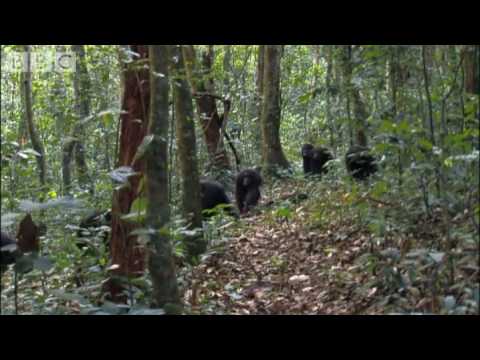
Chimpanzees react to humans in all sorts of ways, depending on where and how you meet them. Some chimps get used to people and stay calm, but others might get aggressive if something feels off.
Their behavior can shift a lot between the wild and captivity.
Tolerance and Habituation in the Wild
In places where chimps see humans a lot, like research sites, they usually grow more tolerant. When they get familiar with you, they might just watch from a distance or even come a little closer, but they’ll do it cautiously.
That’s what people call habituation.
Jane Goodall’s research really showed how wild chimps can accept humans if you treat them with respect and patience. Some chimps even try to communicate with gestures when they’re around people.
Still, how you act matters a lot. If you stay calm and avoid sudden moves, you help build trust.
Even so, habituated chimps like to keep some distance. Don’t try to touch or feed wild chimps—doing that can mess with their natural habits and make things unsafe for everyone.
Aggression and Triggers for Attacks
Chimpanzee attacks on humans don’t happen often, but they’re possible. Chimps are incredibly strong and might get aggressive if they feel scared or threatened.
Sudden moves, loud noises, or getting too close can set them off.
Male chimps, in particular, might see people as rivals or threats and try to protect their group. Sometimes, they act out if they’re guarding their young or territory.
If you can read their body language, you’ll know when it’s time to back off.
There have been times when chimps attacked people who got too close or acted unpredictably. So, it’s smart to give them space and not push your luck.
Captivity Versus Wild Behaviors
Chimps in captivity behave differently around people than wild ones do. Captive chimps usually get used to humans because they see caregivers all the time. Some even pick up a bit of sign language.
This can make them seem friendly or playful, but they’re still unpredictable. Stress or frustration in captivity can make them act out, so handlers really need to know what’s going on with their emotions.
Wild chimps, on the other hand, rely a lot on their instincts when people are around. If you want to watch wild chimps safely, you’ve got to be extra careful and respectful.
Each environment asks for a different approach if you want to build trust.
If you want to dive deeper, check out Jane Goodall’s work or other primate researchers for more on this topic.
Factors That Influence Chimpanzee Behavior Toward Humans

A bunch of things affect how chimps act toward humans. The threat they feel, their social group, and any past run-ins with people all play a part.
Some chimps act territorial, others show social behaviors similar to other great apes, and sometimes attacks happen for pretty clear reasons.
Territorial Responses
Chimps see their home turf as super important. They’ll often defend their territory from outsiders, including humans.
If you wander too close or enter their space without warning, they might react aggressively to protect their group.
Male chimps, especially, like to show off their strength and make noise to keep others away. It’s a natural thing—other great apes do it too.
Once you get this, you’ll understand why it’s so important to keep your distance. Most attacks on humans happen when people surprise or threaten chimps in their own area.
Respecting their space really lowers the risk. Are chimps aggressive to humans?
Famous Incidents and Their Causes
Some well-known cases show what can go wrong. In 2005, two chimps at a California sanctuary attacked and badly hurt a man.
These incidents usually happen when chimps feel scared, threatened, or stressed out.
Captive chimps sometimes get aggressive because they’re bored or don’t have enough space. In the wild, attacks tend to happen when people get too close to babies or mess with the social group.
Jane Goodall’s research points out that attacks aren’t random. They tend to follow triggers like defending infants, fear from people getting too close, or frustration when chimps expect food and don’t get it.
If you know what sets them off, you can avoid risky situations and get a better handle on chimp behavior. Chimpanzee attacks
Social Dynamics and Comparisons With Great Apes
Chimpanzees hang out in complicated social groups where hierarchy really matters. Males constantly compete for status and mates, and that competition sometimes turns aggressive—especially if you happen to be nearby during tense moments.
Within their group, chimpanzees spend a lot of time grooming and playing, just like other great apes. They aren’t always hostile, not by a long shot.
Most of their day feels pretty peaceful, but when social stress ramps up, aggression can flare. If you get how their social roles and tensions work, you’ll see why their behavior toward humans can shift so quickly.
Paying attention to these patterns is crucial for safer interactions. It’s a lot like how learning about great ape social life gives you a window into chimp behaviors chimpanzee aggression.


