
Ever wondered if chimps really love their babies? Well, honestly, it sure looks like they do. Chimpanzee mothers care deeply for their young—they spend loads of time playing, protecting, and sticking close.
Just like you see in humans, chimps form strong bonds with their babies. These close ties help the little ones learn how to survive and grow up.

Even when food gets scarce, chimp moms keep playing with their kids. This playtime isn’t just for fun—it helps the babies build important skills and make social connections.
It’s actually pretty wild how these caring moms manage to keep their young safe and happy, even when times get tough.
Chimpanzee parenting is full of surprises that show just how much these animals invest in their kids. Once you start looking into how chimps raise their babies, you’ll see how strong and loving these bonds really are.
If you’re curious, you can check out some research on how chimpanzee moms play with their kids even through hard times.
How Chimps Express Love for Their Offspring

Chimps show love for their babies with close care, strong bonds, and a lot of playful moments. Their relationships help babies grow and stay safe, even when life gets rough.
You’ll spot mothers protecting, playing with, and nurturing their young every day out in the wild.
Mother-Infant Bonds in Wild Chimpanzees
In places like Kibale National Park, chimp moms form super tight connections with their babies. These bonds come from constant contact, grooming, and loads of protection.
Moms stick close to their babies almost all the time. This helps the little ones pick up skills and stay safe from danger.
But it’s not just about physical care. These bonds help baby chimps feel safe and build a solid social foundation.
Researchers like Zarin Machanda and Kris Sabbi have found that these bonds lower stress for the babies and support their healthy mental and physical growth.
Attachment Styles in Chimpanzee Families
Wild baby chimps don’t show confused or disorganized attachment like some orphaned or captive chimps do. Instead, they develop clear, secure bonds with their mothers.
This means the babies trust their moms and lean on them for comfort and safety. Secure attachments help them explore their world, knowing they can run back to mom if things get scary.
The natural environment and constant mom-care encourage this healthy pattern. It’s pretty different from the sometimes messy attachments seen in captive chimps or even humans.
Role of Play in Young Chimps’ Development
Play is a huge part of how chimps show love and teach their babies. Mother chimps keep playing with their young, even when food is hard to find.
Stuff like tickling, chasing, and gentle wrestling helps babies build strength and social skills. Moms usually end up as the main playmates, especially when food shortages split up the group.
The baby might not get to play with others as much, so mom steps in to help her kid learn important lessons. Play also teaches young chimps how to interact with others safely, which they’ll need later in life.
You can find more about this in studies from Kibale National Park by Machanda and Sabbi at Harvard University. Their work shows how play supports leadership and social skills in chimps.
Social Structure and Parenting Differences Among Chimps
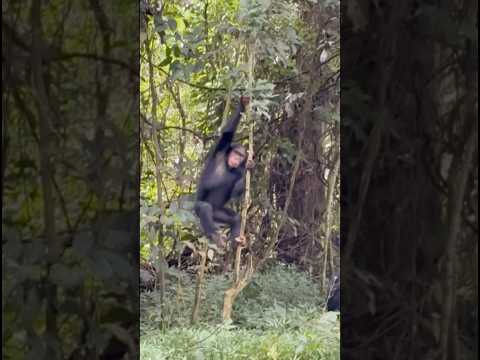
Chimpanzee parenting unfolds in a pretty complex social world, where community ties really matter. How mothers care for their babies depends a lot on the group’s social rules.
Not all great apes raise their young the same way. Bonobos, for example, do things a bit differently from chimps.
Community Support and Group Dynamics
Wild chimp moms rely a lot on community support to protect their babies. Other females help out by grooming or defending infants, which lowers the risk of harm from rival males or predators.
Chimp moms keep their babies close at first, carrying them for weeks. They avoid risky social situations early on to keep their babies safe.
Later, babies start exploring with their moms nearby, learning how to fit in with others. If a baby loses its mother, other chimps sometimes step in and adopt it.
These caregivers groom, carry, and feed orphans, showing that parenting in chimps can go way beyond just the mom.
Bonobo Parenting Compared to Chimpanzees
Bonobos, who are close relatives of chimps, raise their young in a noticeably different way.
Bonobo mothers usually act more tolerant and peaceful with their babies. There’s just not as much aggression around bonobo infants as you’d see with chimps.
Bonobo groups put females at the center, not males, and that really shapes how the babies grow up. The vibe feels more relaxed, honestly, so bonobo infants have an easier time making social connections.
Chimps, on the other hand, focus a lot on protecting their young because they face more risks like infanticide. Bonobo mothers lean on community harmony to keep their babies safe—kind of a softer approach.
If you want to dive deeper, check out this article on the differences between chimpanzee and bonobo parenting styles.


