
You might imagine chimpanzees would make fun, clever pets. They look adorable as babies and act a bit like us, right? But honestly, chimpanzees are wild animals—totally different from dogs or cats that have lived alongside people for ages.
Chimpanzees just aren’t good pets. They’re incredibly strong, unpredictable, and need things most homes can’t provide.

As chimpanzees grow up, their power increases fast, and they can become dangerous if you don’t know what you’re doing. They also really need to be with other chimps to stay happy and healthy.
Providing that kind of environment at home? That’s nearly impossible for most people. If you’re curious about why keeping a chimp is risky and what usually happens to pet chimps, let’s dig into it.
Taking care of a chimpanzee isn’t anything like raising a dog or a cat. Understanding this makes it clear why chimps belong in the wild or in proper sanctuaries—not in someone’s living room.
Are Chimpanzees Suitable as Pets?
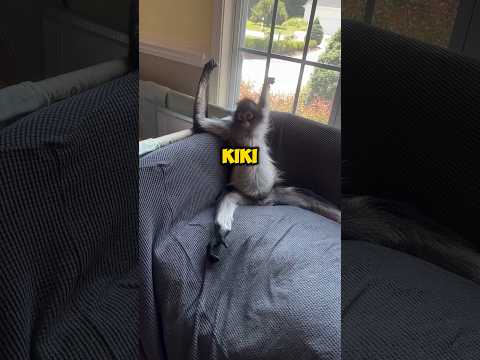
Chimpanzees have incredible strength and sharp minds. Their behavior is complex, and their needs go way beyond what most people can handle.
Think about their size, their need for safety, and their social lives before you even consider them as pets.
Physical Strength and Temperament
Chimpanzees have much more muscle than humans. An adult chimp is 4 to 5 times stronger than the average person, especially in the upper body.
That means even when they’re just playing, things can get out of hand fast.
Their personalities shift as they grow. Baby chimps seem sweet and gentle, but adults? They can become unpredictable and aggressive.
You can’t totally control a chimp’s behavior. Sometimes they lash out without warning, and there’s really not much you can do to prevent it.
Even chimps that people train can injure someone badly. Their mix of strength and wild instincts makes them a real risk in a home.
That’s one big reason why so many places have laws against keeping them as pets.
Safety and Potential Risks
If you keep a chimpanzee at home, you put yourself and others at risk. They can hurt people quickly because they’re unpredictable and so strong.
Injuries from chimps are often serious—sometimes even deadly.
Chimps can also carry diseases that can spread to humans. Since they’re so closely related to us, it’s surprisingly easy for illnesses to jump from them to people.
You might prepare for emergencies, but honestly, even with precautions, accidents happen. Many people give up on their chimps once they become too much to handle.
This often leads to abandonment or worse. So, chimps just aren’t safe pets for families, kids, or really anyone without serious training.
Social and Emotional Needs
Chimpanzees are some of the most social animals out there. In the wild, they live in groups and interact all the time.
Their social life shapes how they feel and act.
If you keep a chimp alone, they can get lonely, stressed, or even depressed. Without other chimps to play, groom, or communicate with, their natural behaviors fade away.
Sometimes, that leads to self-harm or aggression. It’s heartbreaking.
Professional care means a chimp needs companions and daily mental challenges. Most homes just can’t provide that.
Sanctuaries with chimpanzee groups give them a shot at a happier, more natural life.
If you want more info on why chimps don’t make good pets, check out this detailed animal welfare page.
Legal and Practical Considerations

Thinking about having a chimpanzee as a pet? You really need to know the rules in your area.
There are also huge costs and responsibilities if you want to care for a chimp for years.
Ownership Laws and Regulations
Laws about owning chimpanzees change a lot depending on where you live. Many places ban keeping chimps as pets—no exceptions.
Some places allow it, but only if you get a strict permit. You have to check both state and local laws before you even think about it.
There isn’t one big federal law in the U.S. that bans owning chimps, but the Captive Primate Safety Act is trying to make that happen everywhere.
A few states let older owners keep their chimps, but new ownership is usually off-limits.
If you break these laws, you could face big fines, jail time, or have your chimp taken away. You might also have to build special enclosures to keep the chimp and others safe.
These legal hurdles alone make owning a chimp almost impossible for most people.
Long-Term Commitment and Costs
Caring for a chimpanzee isn’t cheap—or easy, honestly. Feeding them and providing proper care usually costs about $25,000 per year.
Chimps need good food, plus a safe, roomy space that feels a bit like their natural home. That’s not something you can just throw together in a backyard.
They’re incredibly social creatures and really need to live with others of their kind. If you keep a chimp alone, you’ll probably see some serious behavior issues and a lot of stress.
Chimps can live for 40-50 years or even longer. So, you’re signing up for decades of responsibility if you bring one home.
You’ll need to schedule regular vet visits, and not just with any vet—someone who actually understands primates. Those specialists can be hard to find, and their services don’t come cheap.
If you can’t provide all this, your chimp will suffer, and honestly, you could be putting yourself at risk too. The long-term care and financial responsibilities here are huge—definitely something to think about before making any decisions.
For more about the legal side, check out ownership laws and regulations on chimps as pets.


