
Bees don’t just sting out of nowhere. They usually give you a clear warning before they sting.
You might spot a bee bumping into you or buzzing a little too close for comfort. That’s their way of saying, “Hey, back off!” They’re just trying to protect themselves and their hive.
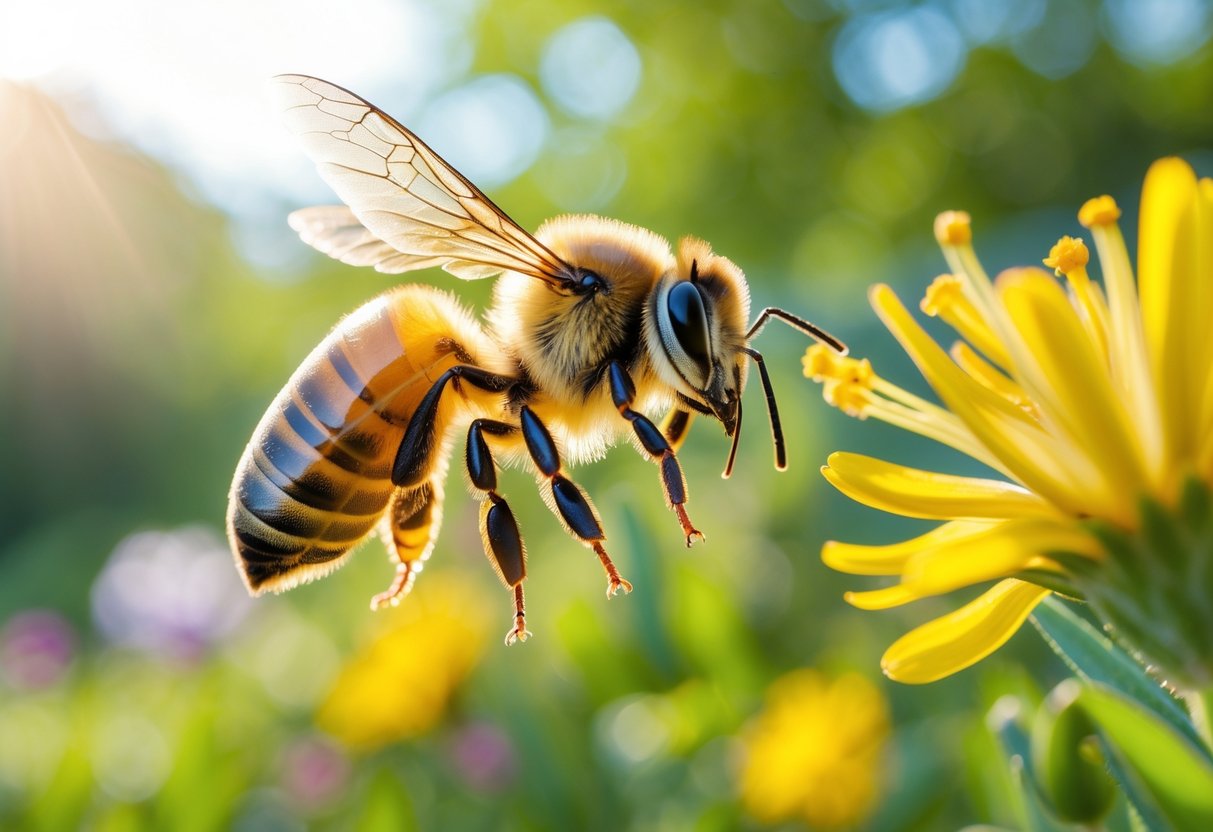
If you pay attention, you’ll probably avoid getting stung. Recognizing these signs helps keep both you and the bees safe.
Let’s talk about how to spot these warnings and what you can do if a bee gets a little too interested in you.
How Bees Warn People and Each Other

Bees have a bunch of ways to warn you and each other when they feel threatened. These signals help protect their hive and hopefully avoid stings.
You might notice individual bees acting differently, or see a change in how the whole group moves.
Individual Warning Signs to Humans
When a bee feels threatened, it doesn’t sting right away. Instead, it might bump into you or hover really close to your head or hands.
That’s a pretty clear sign the bee’s on alert.
Guard bees near the hive sometimes vibrate their bodies to warn off intruders. You could see them shaking or darting around quickly.
Those subtle moves are their way of saying you should back away before things escalate.
If you spot these early warnings, you’ve got a chance to stay calm and move away slowly. Bees usually only sting if you ignore their signals and keep pushing your luck.
Alarm Pheromones and Marking Behavior
Bees use special chemicals called alarm pheromones to warn the rest of the hive if they sense danger. These scents spread fast and get the colony ready for trouble.
When a bee stings, it leaves some of that pheromone behind—on you or wherever it stung. That marks the spot as a threat and calls in more guard bees.
The smell of alarm pheromones can make bees much more aggressive. It’s their way of rallying the troops to protect everyone.
Stop Signals and Defensive Communication
Inside the hive, bees sometimes use stop signals to calm things down. These quick buzzing or shaking moves tell others to chill out and stop attacking.
Stop signals help keep the hive safe during fights. They balance the need to defend with the risk of overreacting.
Bees also share danger info with body movements, like the waggle dance. That dance can show where threats or food are, helping the whole colony react together.
Curious for more details? Check out Do Bees Warn You? Understanding Their Buzz and Behavior.
Defensive Behaviors Among Bees, Wasps, and Hornets

When bees, wasps, or hornets show up in your yard, they each bring their own style of defense. Some focus on guarding the hive, while others act like aggressive hunters.
Knowing these behaviors can help you figure out when they’re warning you or just minding their own business.
Guard Bees and Territory Defense
Guard bees in a colony take their job seriously. They keep a sharp eye on the hive entrance and inspect every insect that tries to come in.
If they spot a threat, like a hornet or wasp, they release alarm pheromones. That tells the rest of the bees to get ready for action.
Sometimes, bees will swarm an intruder—like a hornet—and use their body heat to kill it. People call this a “heat ball,” and it’s a surprisingly effective defense.
Africanized honey bees, in particular, react quickly and defend aggressively. If you ever disturb their hive, you’ll definitely know it.
Comparison With Wasps and Yellow Jackets
Wasps and yellow jackets hunt more aggressively than bees do. They scout out bee colonies, looking for weak spots to steal honey or larvae.
Wasps don’t just guard one spot. Instead, they roam around and go after bees directly. Sometimes, you’ll even see them snatch bees right off flowers or near the hive.
Yellow jackets move fast and can sting over and over. Since they don’t die after stinging, they’re a lot more dangerous if you provoke them.
Hornets—those big wasps—act much the same way. Their size and sting make them even more of a problem.
If you understand how wasps and yellow jackets behave, you’ll have a better chance of staying calm and avoiding sudden attacks.
Some wasps and hornets attack from a distance first, trying to weaken the bee colony before moving in. It’s worth knowing these differences, both for your own safety and to appreciate the natural roles these insects play.
For more details on how bees defend their hives from wasps and hornets, check out this article on how bees defend their hives.


