
If you’re curious about whether beavers live in the UK, you’re not alone! Many people are surprised to learn that these fascinating creatures are making a comeback in the region. Yes, beavers can be found in the UK, specifically the Eurasian beaver, which was once extinct in this area.

Reintroduction efforts have allowed beavers to thrive once again in places like Scotland and other regions. These hardworking animals create dams that can transform landscapes and support various wildlife.
As you read on, you’ll discover how beavers impact their environment and the significance of their return to the UK. Their story is not just about survival but also about revitalizing ecosystems.
Beaver Basics

Beavers are fascinating creatures that play an important role in their ecosystems. Understanding their characteristics and habitats helps you appreciate why they are known as a keystone species.
Species and Characteristics
The Eurasian beaver, known scientifically as Castor fiber, is the main species found in the UK. They are easily recognized by their large, flat tails and webbed feet, which make them great swimmers.
Adult beavers usually weigh between 30 to 50 pounds and can grow up to three feet long.
Beavers live in family groups called colonies, which typically consist of a dominant pair and their kits. Kits are the young beavers, and they stay with their parents for about two years. Beavers are known as nature’s builders because they construct lodges using sticks and mud to create safe homes.
Beaver Habitats
Beavers thrive in semi-aquatic environments like rivers, streams, and ponds. They prefer areas with abundant trees and shrubs for food and building materials.
Their presence can significantly alter habitats by building dams, which create wetlands. These wetlands support a variety of wildlife and help improve water quality.
In the UK, wild populations can be found in places like Knapdale, the Tay, and the Otter. Some enclosed populations exist in other areas for conservation purposes. Beavers are an essential part of the ecosystem, contributing to biodiversity and natural water management.
Beaver Ecology and Behavior

Beavers are fascinating creatures with unique habits that impact their environment. Their diet, social structures, and engineering abilities all play essential roles in their ecology.
Diet and Foraging
As herbivores, beavers primarily consume tree bark, leaves, and aquatic plants. They have a special fondness for species like willow, aspen, and other softwood trees.
Beavers use their strong teeth to gnaw on these plants, which helps keep their teeth healthy and worn down.
Foraging usually occurs during dusk or dawn when they feel safest. A beaver may gather food and store it underwater near their lodges. This behavior ensures that they have access to food even in winter months when resources are limited.
Social Structure
Beavers live in family groups known as colonies. These colonies usually consist of a breeding pair and their offspring, which may stay with their parents for up to two years.
Social bonds are strong, and teamwork is crucial for building and maintaining habitats.
Communication is vital among family members. Beavers use vocalizations, tail slaps, and scent marking to convey messages.
This social structure allows them to protect their territory and support each other in activities like foraging and dam maintenance.
Beavers as Engineers
Beavers are often called “ecosystem engineers” due to their impressive ability to alter their environment. Their most notable contribution is building dams, which create ponds.
These ponds help maintain wetland habitats that support numerous species.
Beaver dams slow down water flow, allowing sediments to settle and creating ideal conditions for aquatic plants. These habitats attract diverse wildlife, benefiting the entire ecosystem. The presence of beavers leads to healthier water systems, showcasing their important role in nature.
Conservation and Management

The conservation and management of beavers in the UK are crucial to their survival and the health of ecosystems. You will find that various threats face their populations, yet efforts are underway to protect them. Understanding the relationship between beavers and humans is also important for successful cohabitation.
Threats to Beaver Populations
Beavers in the UK face several threats that can impact their populations. Habitat loss is one of the main issues.
As landscapes change for agriculture and urban development, beaver habitats shrink. This can lead to a decrease in food sources and nesting sites.
Climate change also poses risks. Changes in weather patterns can affect water levels, leading to dry conditions or excessive flooding. Both situations can make it difficult for beaver populations to thrive. Additionally, hunting and road accidents can also endanger these animals.
Conservation Efforts
Conservation efforts aim to protect beavers and their habitats.
Organizations like the Wildlife Trusts are actively involved in reintroduction programs. These programs focus on establishing healthy populations of Eurasian beavers in suitable environments.
Legal protections play a vital role too. Beavers are classified as European Protected Species, so they are safeguarded under various laws.
These regulations ensure that their habitats must be considered during land development projects. Additionally, habitat management techniques are used to preserve and restore areas that beavers live in.
Beavers and Humans
The relationship between beavers and humans is important for both parties.
Beavers help improve biodiversity by creating wetlands. These areas support various wildlife species and can help manage flood risks by slowing water flow.
You may find that some farmers are concerned about beavers causing damage to crops. However, many solutions exist, such as using protective fencing to safeguard fields.
By understanding beavers’ role in the ecosystems, you can better appreciate their contributions and support efforts to coexist.
Beavers in the United Kingdom
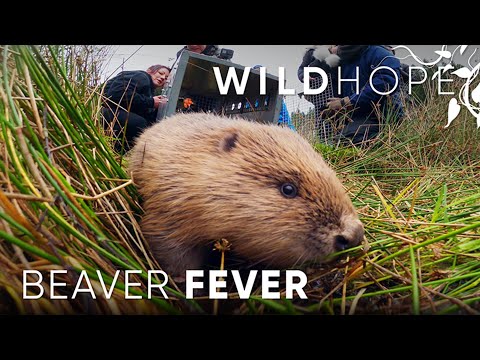
Beavers, specifically the Eurasian Beaver, once thrived in the UK but faced extinction. Today, they have been reintroduced to various regions, with exciting results for wildlife and ecosystems.
History in the UK
Beavers lived in the UK for thousands of years. Sadly, they became extinct around 500 years ago due to excessive hunting for their fur and meat.
Their absence had a lasting impact on wetland habitats, which they help maintain through their natural behaviors.
In recent years, the return of the Eurasian Beaver has sparked interest among conservationists. Some key areas include Knapdale and the River Tay, where beavers have reestablished themselves after being discovered in the wild. This marks a significant turn in the history of beavers in Britain.
Reintroduction Projects
Reintroduction projects have been vital for restoring beaver populations. The Scottish Beaver Trial began in 2009. It aimed to study their impact on the environment. This project was crucial in showing how beavers can improve water quality and support biodiversity.
Another initiative, the River Otter Beaver Trial, has also seen success. It has allowed beavers to flourish while monitoring their effects on local ecosystems, such as nature reserves. Beavers play a crucial role in creating wetland habitats but also face challenges from predators and human activities as their numbers grow.


