
Beagles are known for their friendly and sociable nature, but many owners wonder about their tendency towards anxiety. Yes, beagles can have high anxiety levels, particularly when separated from their owners or left alone for long periods. Understanding this aspect of their personality is crucial for ensuring their well-being.
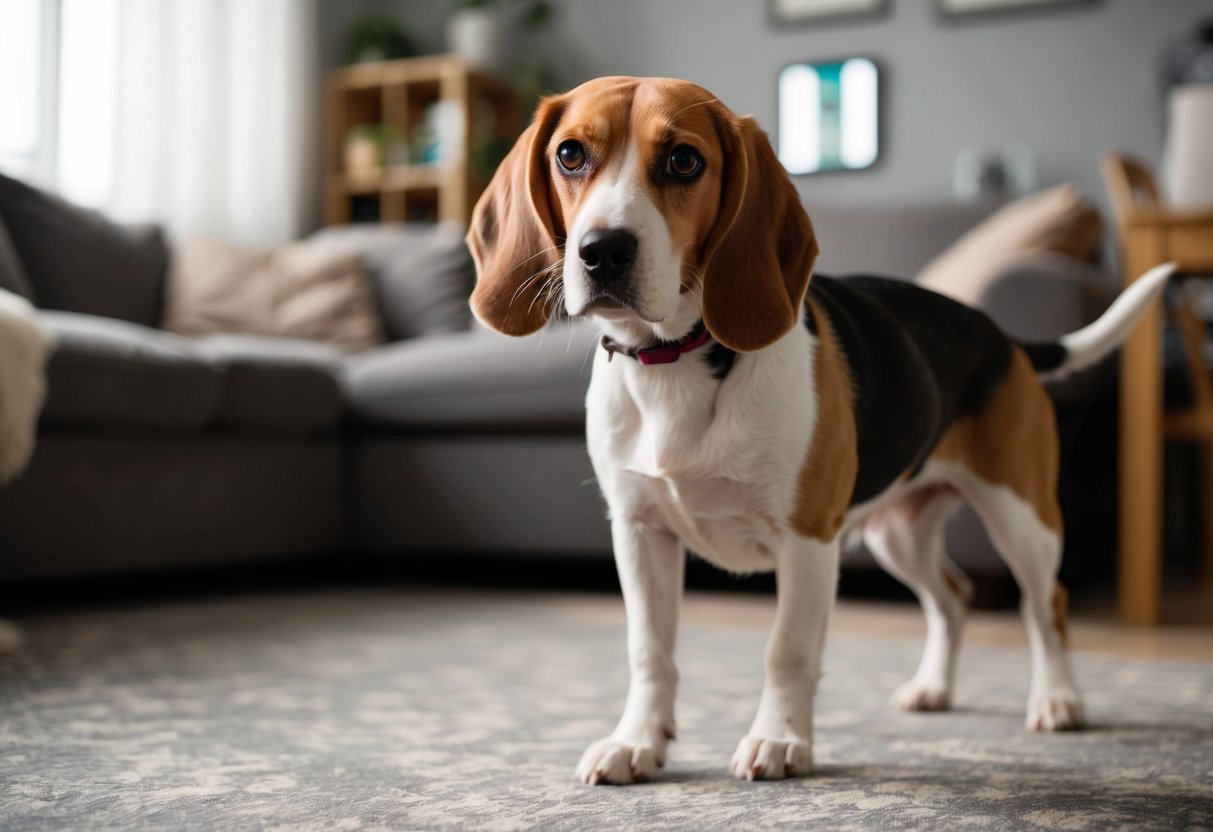
You might notice some specific anxious behaviors in your beagle. Common signs of separation anxiety include excessive barking, digging, or destructive chewing. These behaviors are often linked to their need for companionship and their struggle to cope when you’re not around.
Several factors can contribute to separation anxiety in beagles. Their social nature means they thrive on interaction with humans and other pets. If a beagle has not been properly trained for independence or has experienced traumatic separations, this can lead to increased anxiety. Recognizing these causes is the first step to helping your beagle feel more secure.
Understanding Beagle Behavior and Temperament

Beagles are known for their lively and friendly nature. As hunting dogs and scent hounds, they have strong instincts to sniff and explore their surroundings. This trait makes them curious and active companions.
Their high energy levels mean you need to engage them frequently. Daily walks and playtime help keep them healthy and happy. Without enough activity, they may become bored and display unwanted behaviors.
Beagles also tend to be quite vocal. You’ll often hear them bark or bay, especially if they sense something interesting. This vocalization is part of their hunting heritage, and it’s their way of communicating with you.
Attention-seeking behaviors are common in beagles. They love being social and crave interaction with you and other pets. Ignoring their need for attention may lead to anxiety or mischief.
Beagles are sensitive dogs. They thrive on routine and consistent training. It’s important to establish boundaries so they know what to expect. This helps reduce anxiety, especially during changes in their environment.
Their friendly temperament makes beagles great family pets. They enjoy companionship and can be gentle with children. Understanding their behavior and needs is key to fostering a happy relationship with your beagle.
Managing Separation Anxiety in Beagles

Separation anxiety can affect beagles in many ways. Recognizing the symptoms, understanding the causes, and implementing effective training strategies are important steps for any owner dealing with this issue.
Symptoms of Beagle Separation Anxiety
When your beagle suffers from separation anxiety, you may notice several signs. Common symptoms include:
- Barking or Whining: Excessive noise may occur when you leave, as your beagle vocalizes their distress.
- Pacing: You might see your beagle walking back and forth, unable to settle down.
- Destructive Behavior: Look for signs of chewing or breaking household items. This often happens when they are left alone.
- Drooling: Increased saliva can be another indication of stress.
- Attempts to Escape: Some beagles may try to escape if they feel anxious.
These behaviors can lead to increased stress for both you and your dog.
Causes of Separation Anxiety
Several factors can lead to separation anxiety in your beagle. Understanding these can help you address the issue effectively. Some key causes include:
- Lack of Socialization: If your beagle has not been properly socialized, they may struggle with being alone.
- Change in Routine: Sudden changes, like a new job or moving, can trigger anxiety.
- Previous Trauma: If your beagle was abandoned or hurt before, this can lead to anxiety when left alone.
- Depression: Signs of depression, such as lack of appetite or lethargy, can also be linked to separation anxiety.
Recognizing these causes can aid in creating a supportive environment.
Effective Training Strategies
Implementing training strategies is essential for managing your beagle’s separation anxiety. Here are some effective techniques:
- Gradual Departures: Practice leaving your dog alone for short periods, gradually increasing the time.
- Positive Reinforcement: Reward your beagle with treats or praise when they remain calm during your absence.
- Safe Space: Create a cozy area with toys where your beagle feels secure while you’re gone.
- Calming Aids: Consider using supplements like L-tryptophan or melatonin for added help. Consult your vet first.
By using these strategies, you can help your beagle feel more comfortable when they are alone.
Training and Exercise for Beagles

Training and exercise play a crucial role in a Beagle’s well-being. With the right approach, you can help your Beagle feel secure and happy.
Proper training can reduce anxiety and improve behavior, while exercise keeps your dog mentally stimulated and healthy.
The Importance of Crate Training
Crate training is beneficial for Beagles. It creates a safe space where your dog can relax. A crate can help manage anxiety by providing a familiar environment.
When introducing a crate, make it comfortable with bedding and toys.
Start by allowing your Beagle to explore the crate with the door open. Gradually teach them to enter it for treats. You can also use the crate for short periods when you are away. This reduces feelings of isolation.
Consistent crate training helps your Beagle feel secure in strange situations. It also works as a den-like space, which many dogs naturally seek.
Exercise and Mental Stimulation
Beagles are energetic breeds that need plenty of exercise. A lack of physical activity can lead to hyperactive behavior and anxiety.
Aim for at least an hour of exercise each day. This can include walks, playtime, or even running.
Mental stimulation is equally important. Engage your Beagle with puzzle toys and games that challenge their mind.
Training sessions also provide excellent mental exercise. Teaching new commands and tricks can keep them engaged and focused.
Remember to mix up the activities. Changing your routine prevents boredom and keeps your Beagle excited.
Consider taking your dog to new environments to expose them to different sights and sounds. This can help build confidence and reduce anxiety in various situations.
Health Concerns with Anxious Beagles

Anxious beagles can face several health issues that you should watch for. Understanding these concerns can help you provide better care for your furry friend.
Obesity is a common issue for anxious dogs. If your beagle is stressed, they might overeat or lack the motivation to exercise. Keep an eye on their weight and maintain a healthy diet.
Destructive chewing can be another worry. When anxious, beagles may chew furniture or personal items. This behavior is not just annoying; it can also lead to damaged teeth or injuries.
You might notice your beagle eating poop, a behavior known as coprophagia. This can happen due to stress or boredom. It’s important to consult with your veterinarian if this becomes a regular habit.
Avoid using a crate as punishment. Crate abuse can make anxiety worse. Instead, create a positive space where your beagle feels safe.
Regular vet check-ups are essential. Your veterinarian can help you manage anxiety and its effects. They can suggest treatments or behavioral therapy that may benefit your beagle.


