
Barn owls are fascinating creatures that capture our imagination with their silent flight and striking appearance. As nocturnal birds of prey, they have unique hunting habits that many people wonder about.
These owls typically hunt every night, taking advantage of the darkness to find their primary prey: small mammals.

You’ll find that barn owls are most active during the hours just after sunset and before sunrise. While they are primarily nocturnal, they can also seize opportunities during the day if conditions are right.
Their keen eyesight and ability to hear even the faintest sounds make them exceptional hunters, capable of spotting prey even in low light.
Understanding the hunting patterns of barn owls helps you appreciate these incredible animals even more. As you dive deeper into their habits, you’ll discover how they adapt to different environments and times of day, ensuring their survival as skilled hunters.
Barn Owl Behavior and Hunting Patterns
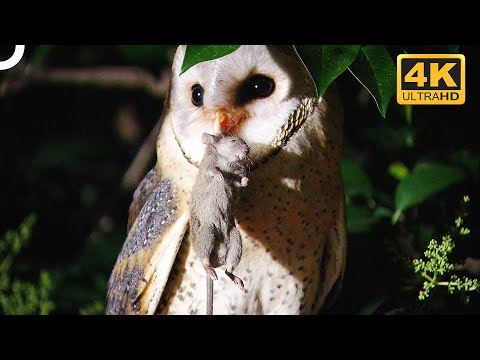
Understanding barn owl behavior and hunting patterns helps you appreciate these fascinating creatures better. Their nocturnal habits, unique hunting techniques, and dietary preferences work together for survival in the wild.
Nocturnal Habits
Barn owls are primarily nocturnal hunters. They are most active at night, hunting under the cover of darkness. This gives them an advantage, as their prey, like voles and other rodents, are often less alert during these hours.
With their specialized eyes, barn owls can see well in low light conditions. Their eyes are about twice as light-sensitive as human eyes, allowing them to detect even the slightest movements of their prey. This heightened sensitivity is key to successful hunting during the night.
Hunting Techniques
When hunting, barn owls often start by perching on high spots. They scan the ground for movement before swooping down silently. Their ability to fly without making noise is a significant advantage. The special feathers on their wings reduce sound, allowing them to surprise their prey.
Once they spot a target, they dive down with incredible precision. Barn owls primarily hunt small mammals like rodents, bats, and even some amphibians. Their sharp talons and beaks make quick work of catching and consuming their prey. After feeding, they often regurgitate pellets, which contain indigestible parts like fur and bones.
Dietary Preferences
The diet of a barn owl largely consists of small mammals. Voles are particularly favored, but they also eat rats, mice, and even small birds. This makes them effective pest controllers in agricultural areas.
During a typical night, a barn owl can consume 3 to 4 prey items. This means that over a year, they can eat nearly 4,000 small animals. This substantial intake helps them care for their young during the breeding season, ensuring their offspring have enough food. The ability to find and catch prey efficiently is crucial for their survival and reproduction.
Reproduction and Nesting

Barn owls have unique ways of reproducing and raising their young. Their mating rituals and nesting habits are tailored to ensure the survival of their chicks. Understanding these aspects helps you appreciate the life cycle of these fascinating birds.
Mating and Courtship
During breeding season, male barn owls attract a female mate through various vocalizations and displays. These courtship calls can be quite loud and involve several soft hoots. After a successful courtship, the pair will stay together and develop a strong bond.
The male presents food to the female, enhancing their connection. Once paired, both owls will prepare for nesting. They can mate multiple times, which helps in fostering a reliable bond. A strong partnership is essential for raising healthy chicks.
Nesting Sites
Barn owls do not build nests like other birds. Instead, they prefer to lay their eggs in existing cavities. This can include old barns, silos, or tree hollows. These sites offer protection from predators and harsh weather.
The female searches for a suitable place and often uses the previous year’s nesting debris, such as old feathers and bones. This material helps create a soft spot for laying eggs. A typical clutch size is around three to seven eggs, which are usually laid a few days apart.
Chick Rearing
Once the eggs are laid, the female barn owl takes on the primary role in incubating them for about 30 to 34 days. During this time, she stays close to the nest while the male hunts for food to bring back.
After hatching, the chicks, called owlets, are blind and covered in soft down feathers. The parents work together to feed their young, regurgitating food for them. Owlets grow quickly, and by six weeks, they start to fledge. This means they will learn to fly and become independent, but they often remain close to their parents for additional support.
Barn Owl Habitats and Conservation

Barn owls are fascinating birds that thrive in various habitats. They are important for pest control in agricultural areas and rely on safe environments for nesting and hunting. Understanding their habitats and the conservation efforts in place to protect them is vital.
Common Habitats
You can find barn owls in a range of environments across North America. They prefer open areas such as grasslands and agricultural fields. These locations provide ample food sources like rodents and small mammals.
Barn owls often nest in old barns, silos, and trees. Their choice of habitat allows them to hunt effectively while ensuring safety from potential predators. They are usually monogamous, and both parents help raise their young.
Unfortunately, habitat loss due to urban development and agricultural practices has impacted barn owl populations. Conservation efforts are crucial in maintaining their habitats through programs that promote sustainable land use and habitat restoration. By protecting ranchlands and open spaces, you contribute to the well-being of barn owls.
Threats and Challenges

Barn owls face various dangers that threaten their survival. They must navigate risks from predators as well as changes in their environment. You can learn about what impacts their populations and the ongoing efforts to protect them.
Predators and Risks
Barn owls, scientifically known as Tyto alba, encounter several predators in their habitat. Larger birds of prey, such as hawks and eagles, can pose a threat, especially to young owls or those not yet skilled in hunting.
In addition to avian predators, habitat loss through urbanization creates risks. As more areas become cities or farmland, barn owls lose vital territory for nesting and hunting. You may also find them at risk from vehicle collisions, especially when hunting near roads.
Other risks include exposure to pesticides. These chemicals can poison both the owls and their prey, leading to a decline in their numbers. Awareness of these threats is crucial for understanding the challenges barn owls face in the wild.
Conservation Efforts
Efforts to protect barn owls focus on preserving their habitats and ensuring their safety. Conservation groups work to create protected areas where these nocturnal raptors can thrive.
You can support these initiatives by being aware of local conservation projects. Build owl boxes to provide safe nesting options if you’re in a suitable area.
This can help them maintain their populations in regions where natural nesting sites are scarce. You might also consider reducing pesticide use, which can benefit both barn owls and the environment.
Education is key in conservation. Sharing information about barn owls and their needs can encourage others to join the effort.
The more people know, the more support there will be for maintaining healthy ecosystems for these amazing birds.


