
Beagles are known for their playful nature and friendly disposition, but their barking can be quite a challenge. Many dog owners wonder if it’s possible to train a beagle to be quiet. Yes, you can train a beagle to be quiet on command with patience and consistent techniques.

Using a calm approach and positive reinforcement can make a big difference in your training efforts. By teaching commands like “Quiet,” you can help your beagle understand when it’s time to settle down.
If you’re ready for some helpful tips and steps to achieve a quieter furry companion, keep reading! Your beagle can learn to enjoy moments of peace, and it’s easier than you might think.
Understanding Beagle Behavior
Beagles are known for their vocal nature, often barking more than other dog breeds. To help manage their barking, it is important to understand their traits, reasons behind their excessive barking, and how to use desensitization techniques effectively.
Traits of Vocal Dogs
Beagles are naturally vocal dogs. Their strong sense of smell and hunting instincts contribute to their barking. This breed uses barking to communicate with you and other animals.
You might find their vocalizations include yips, howls, and barks. Each sound can have a different meaning, such as excitement or alertness. Recognizing these sounds can help you respond appropriately.
Some beagles may also have controlled hyperactivity, leading them to bark when excited. Regular exercise and playtime are essential. This helps to channel their energy and may reduce barking.
Reasons for Excessive Barking
Excessive barking in beagles can stem from several factors. Separation anxiety is a common issue. If your beagle barks when left alone, it might be trying to call for you.
Barking can also be a habit formed over time. If your dog receives attention when barking, it may reinforce this behavior. Other triggers include boredom, fear, and reacting to noises or other animals.
Understanding these reasons is key. By identifying what prompts the barking, you can take appropriate steps to manage it better.
Desensitization Techniques
Desensitization can be an effective method to reduce barking. One approach is gradually introducing your beagle to the sound that triggers their barking.
For instance, if they bark at the doorbell, expose them to the sound at a low volume. While doing this, reward them when they stay calm.
Over time, increase the volume and duration of the sound, continuing to reward calm behavior.
Consistency is crucial in this technique. Regular practice can help change your beagle’s response to triggers, leading to a more peaceful environment.
Effective Training Strategies
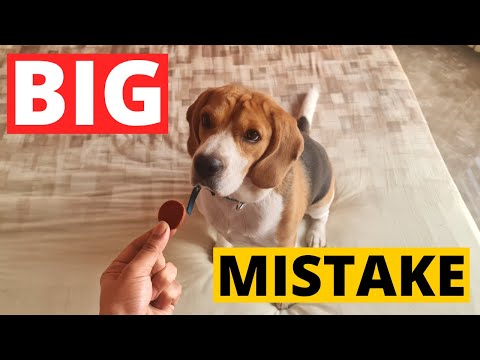
Training your Beagle to be quiet involves specific strategies that focus on building positive habits and consistency. With dedication, patience, and the right techniques, you can guide your Beagle towards better behavior.
The Role of Positive Reinforcement
Positive reinforcement is key in dog training. This means rewarding your Beagle when they display quiet behavior.
You can use training treats as rewards. When your dog stays quiet on command, give them a treat right away to make the connection clear.
Besides treats, praise is also effective. Use a happy tone to say “good boy/girl” when they remain calm. This encourages them to repeat the behavior.
Remember, avoid scolding them for barking, as negative reactions may confuse them. Focus instead on rewarding the good moments.
Mastery of the ‘Quiet’ Command
Teaching the ‘Quiet’ command is essential. Start in a calm, distraction-free environment.
Call your Beagle to you and let them bark a few times. Once they pause, say “Quiet” firmly. This is the moment to reward them with a treat or praise.
Repeat this often. As they learn, increase distractions slowly. This helps your Beagle understand that “Quiet” applies in various situations.
Use a clear and calm voice. Over time, they’ll associate the command with being quiet, making it easier for you to guide them in daily life.
Consistency and Patience in Training
Consistency is critical in training your Beagle. Regular practice helps reinforce the behaviors you want.
Set specific times each day for training sessions. Keep them short, around 5 to 10 minutes, so your Beagle doesn’t lose focus.
Patience is equally important. Some dogs learn faster than others. If your Beagle takes time to grasp the concept, don’t get frustrated.
Stay positive and remember that each dog has a unique learning pace. Celebrate small victories along the way. This keeps your training sessions enjoyable for both of you!
Exercise and Mental Stimulation

It’s important to keep your beagle active and engaged to help curb unwanted barking. Regular exercise and mental challenges can make a big difference in your dog’s behavior.
Physical Exercise for a Healthy Beagle
Physical exercise is key to a well-balanced beagle. This breed is energetic and requires daily walks or playtime to burn off energy.
Aim for at least 30 to 60 minutes of activity each day.
Activity can include:
- Walks: Take your beagle on different routes to keep things interesting.
- Fetch: A fun game of fetch helps improve their fitness and keep them stimulated.
- Agility Training: Setting up a simple agility course in your yard can be fun and challenging for your beagle.
If your beagle is not getting enough physical exercise, boredom can lead to barking and destructive behavior. Regular outdoor adventures will also strengthen your bond with your furry friend.
Providing Mental Stimulation
Mental stimulation is just as important as physical exercise for your beagle. Engaging their minds can reduce boredom and promote calm behavior.
Here are some effective ways to provide mental challenges:
- Puzzle Toys: These toys require your dog to think and problem-solve to access treats.
- Training Sessions: Teaching new tricks or reinforcing commands keeps their brain active. Regular sessions with a professional dog trainer can help.
- Scent Games: Beagles have a strong sense of smell. Play hide-and-seek with treats to encourage them to use their noses.
Mixing in mental activities with physical exercise can make your beagle happier and less likely to bark excessively. Keep their routine fresh to prevent boredom and maintain their focus.
Alternative Solutions and Aids

If you’re looking for ways to help your Beagle be quieter, there are several tools and techniques you can consider. These options can range from collars designed to deter barking to seeking help from a professional.
Anti-Barking Collars and Their Impact
Anti-barking collars can be helpful in managing your Beagle’s barking.
Citronella spray collars emit a burst of citronella spray when your dog barks. Dogs usually dislike the smell, which can reduce excessive barking over time.
Another option is the static electric bark collar. This collar delivers a mild electric stimulation when your Beagle barks.
It is important to use this collar correctly and to pick one that has adjustable settings to find the right level for your dog’s needs.
While these collars can provide immediate feedback, they should be used alongside positive training techniques for the best results. Make sure to monitor how your Beagle reacts to these collars to ensure that they are effective and not causing unnecessary stress.
When to Consult a Professional Dog Trainer
If your Beagle’s barking remains a challenge, consider consulting a professional dog trainer. They can provide targeted strategies tailored to your dog’s specific behavior. A trainer can also help you understand the root causes of the barking, such as boredom or anxiety.
During your sessions, the trainer may suggest fun activities to engage your Beagle’s mind. This approach helps reduce barking by providing an alternative focus.
Training sessions can also improve communication between you and your dog, which contributes to lasting changes.
Investing in professional guidance could be beneficial, especially if you’re feeling stuck. Working with a trainer allows you to learn effective techniques while ensuring that your Beagle feels supported and understood.


