
If you’ve ever thought about adding a raccoon to your home, you’re not alone. These cute and curious creatures often spark interest as potential pets. However, taming a raccoon comes with significant challenges and considerations. Raccoons are wild animals with specific needs that can be hard to meet in a typical household setting.
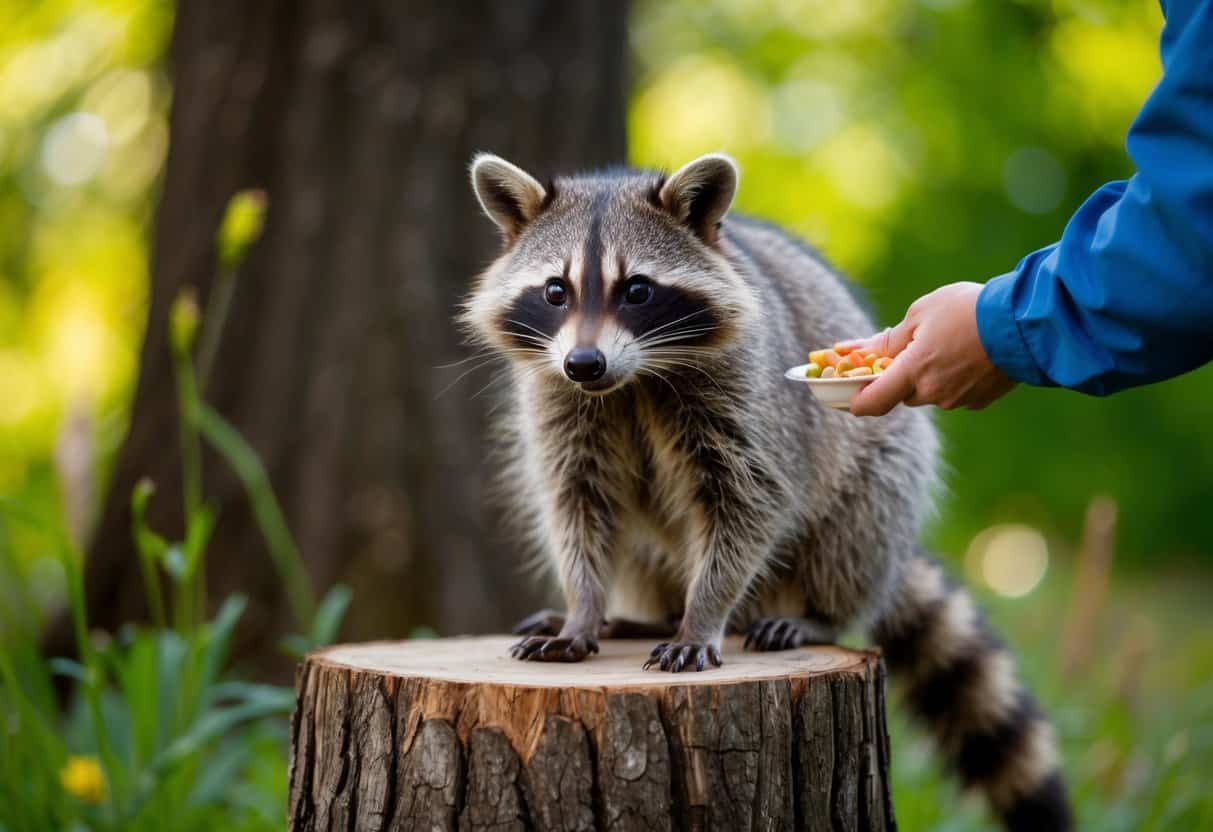
Thinking about pet raccoons? Be aware that they can be unpredictable and require a lot of attention and care. Unlike domesticated pets, their behavior can be quite different, making them less suited for everyone. Understanding what it takes to keep a raccoon happy and healthy is crucial if you’re considering them as pets.
If you’re curious about whether raccoons can actually be tamed and what it would involve, keep reading. This article will explore the realities of having a raccoon as a pet, including training tips, potential challenges, and whether these fascinating animals could fit into your life.
Understanding Raccoons
Raccoons are fascinating creatures with unique behaviors and habitats. Knowing how they act and the health risks they carry can help you understand these wild animals better.
Raccoon Behavior and Habitat
Raccoons are highly adaptable and intelligent animals. They often live in urban areas, where they can find food easily. As omnivores, they eat a wide variety of foods, from fruits and nuts to garbage and pet food.
In the wild, raccoons prefer wooded areas near water sources. They are mostly nocturnal, coming out at night to forage for food. You might notice them climbing trees or rummaging through bins. Their dexterous front paws allow them to manipulate objects, making them skillful at accessing food.
Raccoons are social animals and often live in groups called “gaze.” They communicate using a variety of sounds, such as chattering and growling, to express their feelings and alert others.
Health Risks and Zoonotic Diseases
When considering wild animals like raccoons, it’s important to be aware of health risks. Raccoons can carry several diseases that might affect humans and pets. One serious concern is rabies, which affects the nervous system and can be fatal if untreated.
Another disease is leptospirosis, which can be transmitted through raccoon urine. This bacterial infection can cause flu-like symptoms in humans. Canine distemper is also common among raccoons. This virus can spread to pet dogs, leading to serious health issues.
Additionally, raccoons are known carriers of the raccoon roundworm, which can infect humans. It’s crucial to avoid close contact with wild raccoons and their droppings to minimize these risks. Understanding these health concerns can help you stay safe while appreciating these unique animals.
Pros and Cons of Raccoon Domestication
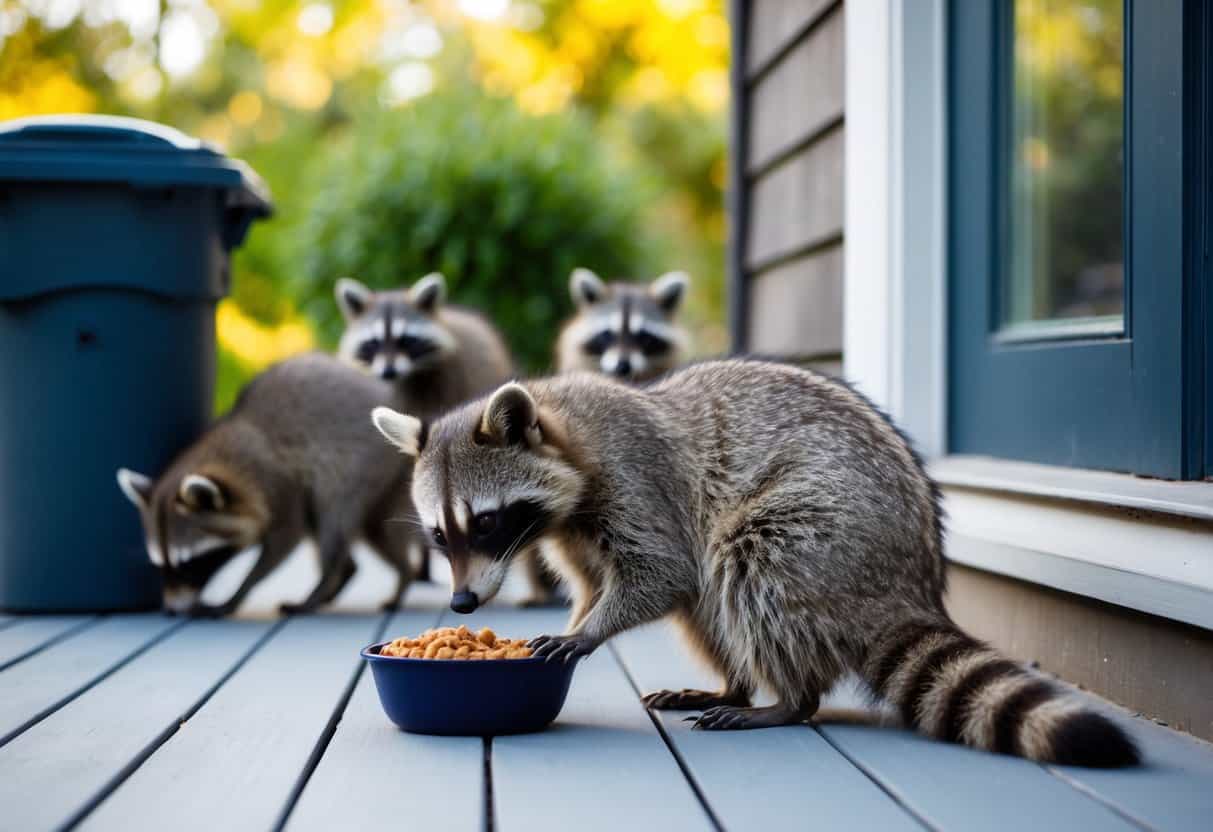
Taming a raccoon can be an exciting idea but comes with significant challenges and responsibilities. Understanding both the difficulties and the potential rewards is important before considering a raccoon as a pet.
The Challenges of Taming Raccoons
Taming a raccoon is not an easy task. These animals are wild by nature and have instinctual behaviors that can be hard to manage. Even young raccoons, when not properly handled, may show aggressive tendencies. As a result, raccoon bites can occur, especially if they feel threatened.
Their natural curiosity can lead them to stealing food or items around your home. This can create stress for you as you try to manage your pet raccoon’s behavior. Furthermore, owning a raccoon often involves understanding local laws and regulations regarding exotic pets. These regulations can vary by location and may impact your ability to domesticate a raccoon effectively.
Positive Aspects of Owning a Pet Raccoon
Despite the challenges, owning a pet raccoon can also be rewarding. Raccoons are intelligent animals that can form strong bonds with their caretakers. You may find their playful antics entertaining and charming.
With proper care, including a balanced diet and enrichment activities, a pet raccoon can thrive in your home. It’s important to remember that young raccoons are typically more adaptable. Raccoon care requires commitment but can lead to a unique and engaging companionship. Just be prepared for the rockiness that might come as you learn how to meet their specific needs.
Legal and Ethical Considerations
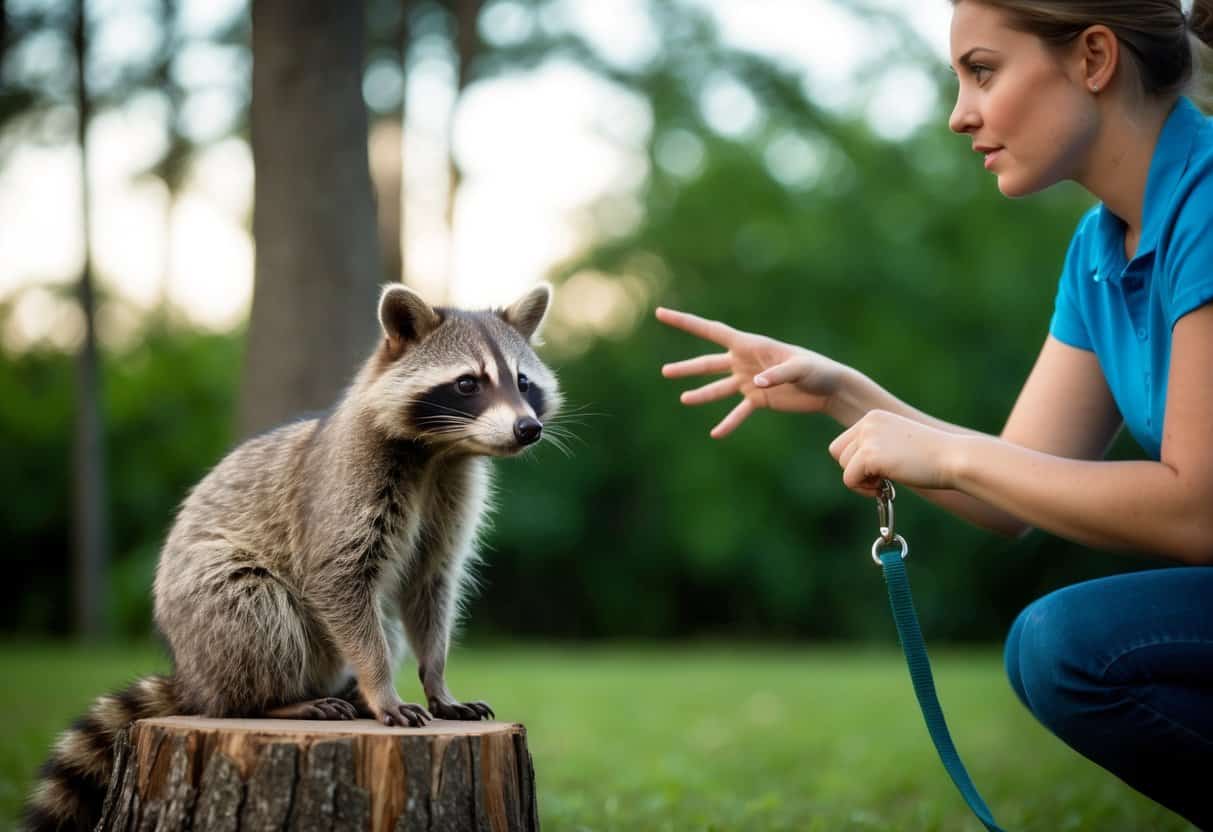
Owning a pet raccoon involves navigating various legal and ethical issues. It’s essential to understand local laws and the responsibilities that come with exotic pet ownership. Here are important points to consider.
Regulations on Exotic Pet Ownership
Laws regarding raccoon ownership vary by state and country. In many places, you will need special permits to own a raccoon as they are considered exotic animals.
Key Regulations to Note:
- Permitting: Some regions require you to obtain permits. Check with your local wildlife agency first.
- Legal Consequences: Owning a raccoon without a permit can lead to hefty fines or confiscation of the animal.
- Animal Welfare: Many laws focus on the care and humane treatment of exotic pets, ensuring their well-being.
Understanding these regulations is essential before bringing a raccoon into your home. Always prioritize their health and the environmental impact of owning such an animal.


