
Ever wondered if you can own a chimp in the UK? Well, honestly, the answer’s basically no.
Recent laws have made it illegal to keep chimpanzees and other primates as pets unless you jump through some very strict licensing and welfare hoops. Officials want to make sure these animals, who have some seriously unique needs, only end up in places that can actually care for them—think zoos or proper sanctuaries.
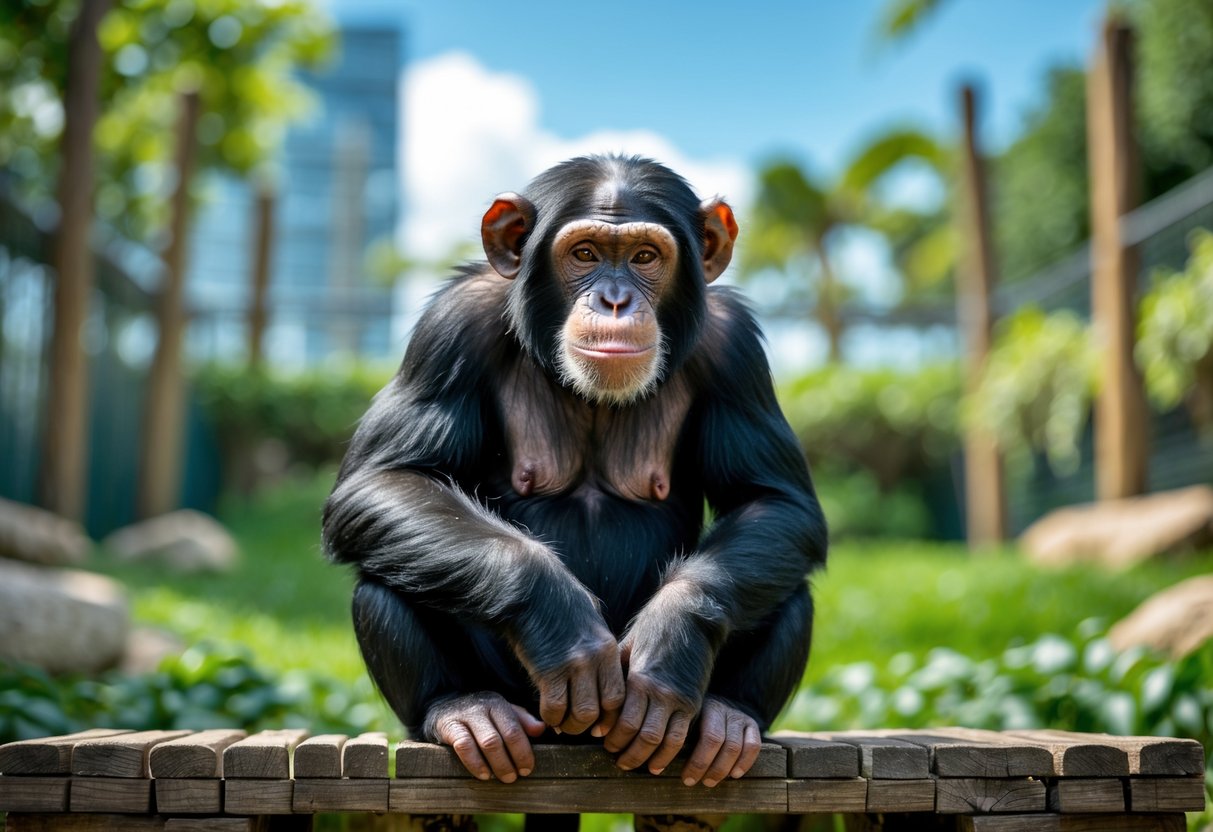
Owning a chimp isn’t nearly as simple as it sounds. The government set up these rules because chimps need loads of care, plenty of space, and a lot of social time that most homes just can’t offer.
If you’re fascinated by primates, there are safer ways to see them and learn about them without having to keep one yourself.
Curious about the laws and why chimps make terrible pets? Keep reading if you want to know what’s in place to protect these animals and what you can do if you love primates. For more details, check out Can You Own a Chimp in the UK? Legal Rules and Restrictions.
Can You Own a Chimp in the UK?

If you want to own a chimp in the UK, you’ll have to deal with strict rules. New laws are coming soon and they’ll change how you can keep primates at home.
You’ll need to know about current licences, legal limits, and what’s going to happen once the new bans start.
Legal Status of Chimpanzee Ownership
Right now, laws like the Dangerous Wild Animals Act 1976 and the Animal Welfare Act 2006 control who can own a chimpanzee in the UK. You need a wild animal licence from your local council before you can keep a chimp.
Chimps fall under the “dangerous wild animals” category because they can hurt people and need special care. The licence checks that you meet safety and welfare rules, like secure housing and proper diets.
If you don’t get a licence or take care of your chimp properly, you could face fines or lose the animal.
Upcoming Ban on Primates as Pets
On April 6, 2026, a new law will ban people from keeping primates like chimps as pets unless they meet zoo-level care and housing standards. Defra’s new rules and Animal Welfare Minister Lord Douglas-Miller are pushing this to protect primates.
Unless you can offer the same care as a zoo, you won’t get to keep chimps at home. The goal? To give thousands of pet primates better lives, since so many face poor conditions right now.
Exceptions and Licensing Requirements
If you’re hoping to keep a chimp after April 2026, you’ll need to apply for a strict primate licence from your local authority. This licence comes with high welfare standards—pretty much what zoos have to meet.
The licence requires safety measures, proper social opportunities, and veterinary care for chimps. If you don’t get this licence, keeping a chimp will be illegal. You could get hit with a heavy fine or lose the animal.
Local authorities will enforce the law, and Defra will back them up to make sure primates are safe or removed if needed.
Primates and Other Exotic Animals: Rules and Welfare
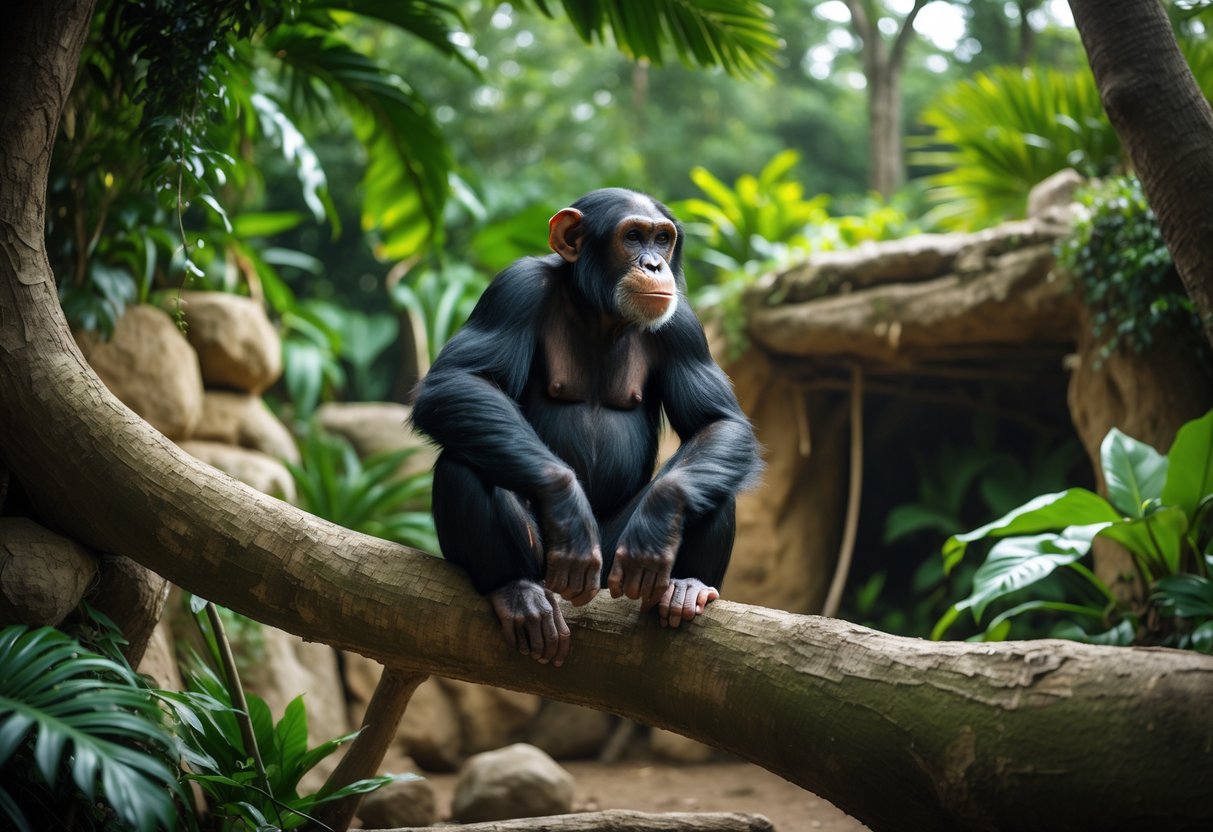
Thinking about keeping primates or other exotic pets in the UK? The laws are tough, so you’ll want to know what you’re in for.
These rules exist to keep both animals and people safe, and they focus on licences, care, and safety.
Licence Regulations for Other Primates
From April 2026, you’ll need a licence to keep almost any primate as a pet—monkeys, lemurs, orangutans, you name it. This licence means you have to meet high standards, including giving animals space similar to what they’d get in a zoo.
Local councils issue these licences and check your home and your knowledge about care.
If you want to keep species like squirrel monkeys, you’ll need this licence too. Without it, owning primates is basically a no-go.
Animals like wild cats and coatis also need a Dangerous Wild Animal Licence. This one’s even harder to get, since these animals are seen as a bigger risk.
Welfare Concerns and Animal Protection
Primates need lots of social interaction, mental stimulation, and special diets to stay healthy. Most homes can’t offer that, which is why groups like the RSPCA and Humane Society International strongly advise against keeping primates as pets.
They work with local authorities to enforce welfare laws.
The Wildlife and Countryside Act and the Animal Welfare Act 2006 protect primates and other exotic pets by setting clear care standards. If owners don’t meet these laws, they risk fines, losing their animals, or even jail.
These protections are crucial for the animals’ physical and mental health.
Difference Between Primates and Other Exotic Animals
Primates like chimpanzees and orangutans? They’ve got way more complex needs than most exotic pets out there.
They live for years, sometimes decades, and they really need to be around others of their kind. You can’t just put them in a cage and call it a day—they need plenty of mental challenges to stay healthy.
Wild cats or coatis also need special licenses, but honestly, their care is a different beast altogether.
Here’s a quick look:
| Animal Type | Licence Type | Care Complexity | Social Needs |
|---|---|---|---|
| Primates (Monkeys, Lemurs) | Wild Animal Licence | Very high | High |
| Wild Cats & Coati | Dangerous Wild Animal Licence | High | Medium |
| Smaller Exotic Pets | May require permits | Medium to low | Varies |
If you’re thinking about getting an exotic pet, it really pays to know these differences.
You’ve got to meet the legal requirements, sure, but you also need to think about what’s best for the animal—and for your own safety too.


