
Ever wondered if you could actually befriend a chimpanzee, kind of like you would a dog or a cat? Well, technically, you can. But it’s not simple—and honestly, it takes a ton of time, patience, and respect.
If you want a chimpanzee to trust you, you’ve got to earn it with gentle, consistent interactions.

Chimpanzees are clever and super social, but they’re still wild animals. They can act unpredictably.
If you want to connect, you’ll need to learn how they behave and communicate. Touch and play mean a lot to chimps.
Stay calm when you approach and give them space. That’s really important if you’re hoping to build any kind of bond.
Getting close to a chimp doesn’t happen overnight. Friendships with humans usually grow slowly, mostly in places like zoos or sanctuaries.
Trained caregivers guide these interactions to keep everyone safe. If you’re curious what it’s really like to become friends with a chimp, let’s dig into it.
Can You Befriend a Chimpanzee? Risks, Realities, and Relationships

Trying to build a friendship with a chimpanzee isn’t easy. You’ll need patience and a real respect for their natural behaviors.
You also have to understand the risks and what it takes to keep them healthy and safe.
Chimpanzee Social Behavior and Intelligence
Chimpanzees are really smart and thrive in social groups. They bond by grooming, playing, and staying close.
These activities help them relax and feel secure.
If a chimp lets you touch or groom them, that’s a big sign of trust.
They use lots of body language and sounds to show how they feel. Every chimp has its own personality, so what works with one might not work with another.
If you want to connect with a chimp, you have to respect their boundaries. They don’t see humans as fellow chimps, but they can still form connections through shared activities and calm moments.
Challenges of Forming Bonds with Nonhuman Primates
Making friends with a chimpanzee comes with real challenges. Chimps are incredibly strong and can act unpredictably.
Sometimes what looks like play can turn aggressive in an instant.
Some chimps just aren’t interested in people. Others can be mischievous and might test you with little tricks.
You’ve got to put safety first for yourself and the chimp. Only interact under trained supervision, and stick to safe, controlled places like sanctuaries or zoos.
Friendships with chimps take time, and you’ll need to learn how to read their moods and signals.
Famous Human-Chimpanzee Relationships
Jane Goodall spent years building trust with wild chimps. Her work really proved that patience and respect are everything.
Caregivers at places like Lincoln Park Zoo use slow, gentle touches to show chimps they’re safe.
They spend hours every day building trust through grooming and quiet moments.
These stories show you can build friendships with chimps, but only if you respect their needs. Rushing things or forcing contact just stresses them out or puts everyone at risk.
Dangers and Animal Welfare Concerns
Chimpanzees are strong, and sometimes they lash out. People have gotten hurt trying to interact without enough care.
They’re still wild animals, no matter how friendly they seem.
Groups like the Animal Welfare Institute point out that chimps need complex social lives. Keeping them alone or in tiny spaces hurts their mental health.
Laws like the Endangered Species Act protect chimps, mostly in the wild. Private ownership laws are different everywhere, but owning a chimp is usually unsafe or even illegal.
The entertainment industry has its own problems. Some trainers treat chimps harshly so they’ll perform.
Groups like Chimp Crazy call out these issues and ask people to think twice before supporting this kind of thing.
Chimpanzees in Captivity and Human Care
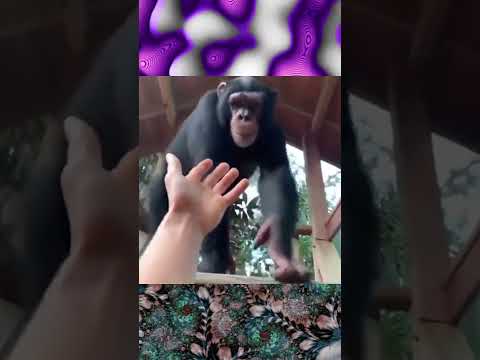
When chimpanzees live with humans, their routines and social lives change a lot. The way people care for them can really affect their happiness.
You’ll find chimps in zoos, sanctuaries, and sometimes in entertainment. Each of these places shapes their behavior in different ways.
Life of Captive Chimpanzees in Zoos and Sanctuaries
At places like Lincoln Park Zoo in Chicago, chimpanzees live in specially designed exhibits. These areas have hammocks, ropes, and climbing structures to keep chimps busy and active.
Caregivers spend a lot of time making sure chimps get social time, play, and mental challenges.
Sometimes, chimps in captivity feel stressed. Their spaces are smaller and less natural than the wild.
Good zoos and sanctuaries do their best to create environments where chimps can act as naturally as possible.
You’ll often see chimps grooming each other or using tools to solve little puzzles.
Sanctuaries focus on letting chimps build social bonds and feel safe. They give chimps permanent homes, away from exploitation, and help them rebuild trust.
Impact of the Entertainment Industry on Chimpanzees
Chimpanzees in the entertainment world have it rough. When people use them as pets or actors, chimps face pressure to perform and often get little space or social time.
This can stress them out or make them aggressive.
The entertainment industry puts chimps at risk because they’re powerful and unpredictable. Handling them without real knowledge is dangerous for everyone.
Chimps in entertainment don’t always get the care or freedom they need. More and more experts warn against using chimps this way—it just isn’t good for their health or behavior.
Rehabilitation and Socialization Efforts
Rescuing chimpanzees from rough situations isn’t just about getting them out—it’s about helping them heal, inside and out.
Rehabilitation programs try to bring chimps back into social groups and give them a place that actually feels safe.
Chimps pick up communication through gestures, facial expressions, and a surprising range of sounds. The staff at sanctuaries watch closely, trying to figure out each chimp’s mood and what they might need.
Over time, they build trust and real connections, but it takes patience—sometimes a lot of it.
The best rehab centers really push for chimps to spend time with others of their kind. That social life? It’s absolutely crucial for their wellbeing.
When people offer steady care and a safe spot, chimps can start to trust again, even after some pretty rough early years.
If you’re curious, you can find examples of this at organizations that focus on the welfare of captive chimpanzees.


