
Raccoons are often seen rummaging through trash cans and creating chaos in urban and suburban environments. They are clever animals known for their dexterity, which can lead to troublesome encounters. But raccoons are not inherently nasty creatures. Understanding their behavior can help you manage interactions and keep both yourself and these animals safe.

In many cases, raccoons are just trying to survive in a world where their natural habitats are shrinking. They adapt well to urban settings, often leading to close contact with humans.
Your best course of action is to avoid feeding them or encouraging their presence, as this may reduce the chance of negative encounters. Knowing how to coexist with wildlife can turn potentially scary situations into simple misunderstandings.
When it comes to raccoons, it’s important to respect their space and recognize their role in the environment. By learning more about their habits and the way they interact with both people and other wildlife, you can better appreciate these fascinating creatures while keeping your home and neighborhood safe.
Understanding Raccoon Behavior
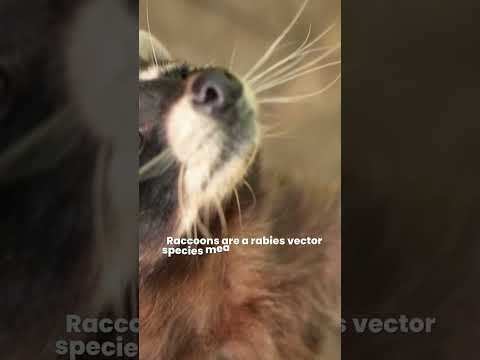
Raccoon behavior can often be surprising. Knowing how they act can help keep you safe and promote a better understanding of these nocturnal animals.
Territorial Habits and Nocturnal Activities
Raccoons are known for their territorial nature. They like to mark their areas with urine and feces. This behavior helps them communicate with other raccoons about their space.
As nocturnal animals, raccoons are most active at night. They typically search for food, play, and explore during these hours. This can lead them into urban or suburban environments where food is more readily available.
In these areas, raccoons can sometimes be seen rummaging through garbage cans or gardens. They are resourceful and clever, using their dexterous paws to open containers. Understanding these habits can help you manage encounters with them.
Signs of Aggression in Raccoons
While raccoons are not usually aggressive, they can show signs of aggression if they feel threatened. Take note of body language, such as raised fur, growling, or hissing.
If a raccoon feels cornered or is protecting its young, it may become more defensive. It’s best to give them space and avoid sudden movements. Never approach a raccoon that appears agitated.
Bites often occur when a raccoon approaches humans in search of food. Always keep a safe distance and secure your trash to avoid unwanted encounters.
Raccoons in Urban and Suburban Areas
Urban and suburban environments often attract raccoons due to the abundant food sources. You might find these animals in alleys, parks, or even backyards.
In these settings, raccoons can adapt well. They learn to navigate human spaces, becoming more daring in their search for food. This includes visiting garbage cans, pet food dishes, or bird feeders.
While they can seem cute, it’s important to respect their space. If you encounter a raccoon during the day, it may be a sign of illness. Always observe from a distance and avoid feeding them, as this can encourage more visits.
Health Risks Associated with Raccoons

Raccoons can carry several diseases that pose health risks to both humans and pets. Understanding these risks can help you take precautions to protect yourself and your loved ones. Here are some specific diseases and dangers associated with raccoons.
Common Diseases Transmitted by Raccoons
Raccoons are known carriers of various diseases that can affect humans and pets. One notable virus is rabies, which is serious and can be fatal if not treated. If you see a raccoon acting strangely, it’s best to stay away.
Another health concern is leptospirosis, a bacterial infection. It can be transmitted through contaminated water or soil. Exposure can lead to severe illness.
Parasites are also a risk. Raccoon feces can contain eggs of baylisascaris, a parasite that affects the nervous system. Additionally, raccoons can spread salmonella and giardiasis, causing digestive issues in humans and pets.
The Danger of Raccoon Roundworm
Raccoon roundworm, or baylisascaris procyonis, is a concerning parasite that can affect both humans and pets. The eggs can be found in raccoon droppings. If you or your pets come into contact with contaminated soil or feces, it can lead to serious health problems.
Infections can be severe, affecting the eyes and brain. Symptoms may not show up immediately, making it hard to identify. Proper hygiene, like washing hands after handling anything outdoors, is crucial.
Keep your yard clean and avoid leaving food out that may attract raccoons. This can help limit their population and reduce the risk of exposure to this dangerous parasite.
Preventing Disease Transmission to Pets and Humans
To keep yourself and your pets safe, follow some simple measures. First, avoid contact with raccoons. Do not feed them or leave food outside, as this can attract them.
Maintain a clean outdoor area. Secure garbage cans with tight lids to prevent raccoons from rummaging through them. Make sure your pets are up to date on their vaccinations, particularly rabies and distemper.
Teach your children to keep their distance from wildlife and not to play in areas where raccoons may frequent. These steps can significantly reduce the chances of disease transmission.
Mitigating Risks and Safe Interactions

Understanding how raccoons look for food and shelter can help you stay safe. Knowing when and where to expect them is key. You can also take steps to avoid encounters and what to do if one approaches you.
When and How Raccoons Seek Food and Shelter
Raccoons are mostly active at night, searching for food and shelter. They often scavenge trash cans, looking for leftover food. Your garbage can may seem like a treat to them.
They are crafty climbers and will raid bird feeders or pet food left outside. Raccoons can also find food near water sources like ponds or rivers. They look for safe places to hide, such as under decks or in sheds. This makes your backyard an inviting space for them.
Tips for Avoiding Raccoon Encounters
To reduce the chance of raccoon encounters, secure your food sources. Use tight-fitting lids on trash cans and store pet food indoors. Avoid leaving out bird feeders overnight, as they attract raccoons.
Also, clean up any spills or leftover food around your yard. Make sure to close all entry points to your home, such as vents and gaps in fences. If you hear loud noises at night, it may be raccoons. Stay indoors and avoid investigating noises immediately.
What to Do If a Raccoon Approaches You
If a raccoon approaches you, stay calm. Back away slowly and avoid sudden movements. Raccoons may feel threatened but are usually not aggressive unless provoked.
Never attempt to touch or feed a raccoon. This can lead to bites or scratches, increasing the risk of disease. If a raccoon appears to be sick or acting oddly, contact wildlife control. They can safely remove the animal and address the problem.
Raccoons and Property Concerns

Raccoons can create several problems for your property. They may cause damage while searching for food or shelter, leading to costly repairs and headaches. Additionally, their presence can harm your garden and lawns, affecting your home’s curb appeal.
Raccoons and Potential Property Damage
Raccoons are known to cause significant property damage. They are skilled climbers and might access your roof, damaging shingles or insulation. You could notice holes in your attic or walls as they make nests.
In your garden, raccoons may dig up plants and disturb your lawn. They also love raiding fruit trees, which can leave your harvest ruined. Damage can add up quickly, so it’s essential to monitor your property for signs of their activity.
Protecting Your Home and Garden from Raccoons
To protect your home and garden, consider these preventive steps:
- Secure trash cans: Use sturdy cans with tight-fitting lids to prevent raccoons from getting inside.
- Remove food sources: Don’t leave pet food outside overnight.
- Protect gardens: Install fences around fruit trees and gardens to keep raccoons out.
- Check for entry points: Inspect your home for possible openings where raccoons might enter.
If raccoons persist, it may be time to contact animal control for help.


