
Foxes are fascinating animals, often seen roaming urban areas in search of food. If you’ve ever wondered whether these agile creatures can scale brick walls, you’re not alone. Foxes can indeed climb brick walls, thanks to their strong claws and jumping ability.
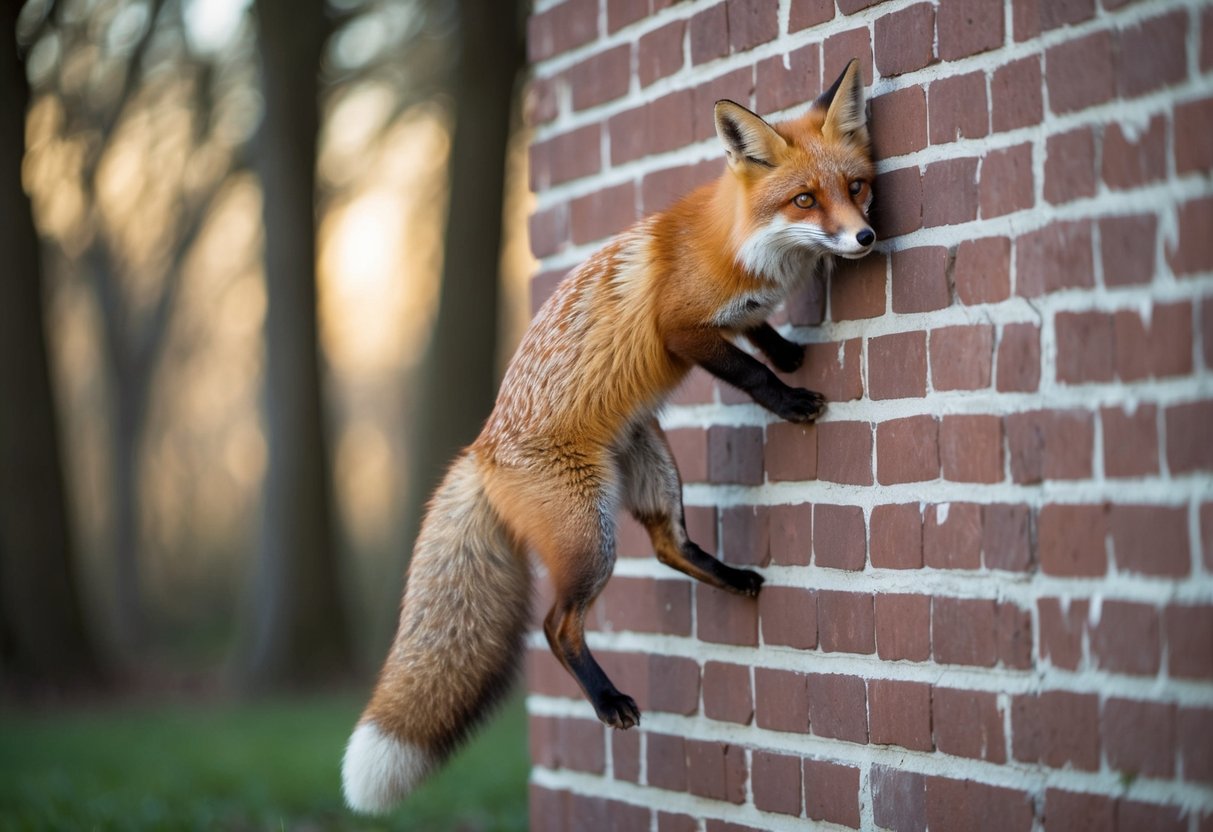
In cities, where wildlife and human habitats overlap, you might spot foxes navigating their way through backyards and gardens. Understanding their climbing skills can help you take steps to keep them out if that is your goal.
Stay tuned as we dive deeper into the climbing abilities of foxes and share tips on how to deter them if needed.
Fox Climbing Abilities

Foxes have impressive climbing skills that vary among species. Red foxes and gray foxes exhibit different climbing behaviors, allowing them to navigate their environments effectively. This section will explore their anatomical adaptations and behavioral observations related to climbing.
Anatomical Adaptations
Both red and gray foxes have unique physical traits that aid in climbing. Their sharp claws are well-suited for gripping surfaces. These claws allow them to climb fences and even trees when needed.
The gray fox, in particular, has retractable claws. This gives it an advantage when climbing, as it can gain a stronger grip on rough surfaces.
Their strong limbs and flexible bodies also facilitate jumping and climbing.
These anatomical features combine to make foxes agile in their movements, whether they are evading predators or exploring their territory.
Behavioral Observations
Foxes show remarkable behaviors when it comes to climbing. They often use a combination of jumping and climbing to overcome obstacles. For example, a fox might leap to get a better grip on a fence before climbing over.
In urban and suburban areas, red foxes are known to climb fences in search of food or shelter. The gray fox is famous for its adept tree climbing, which helps it escape threats.
These behaviors highlight how foxes adapt to their surroundings. They use their climbing abilities not just for survival but also to explore new environments and find resources.
Human-Fox Interactions
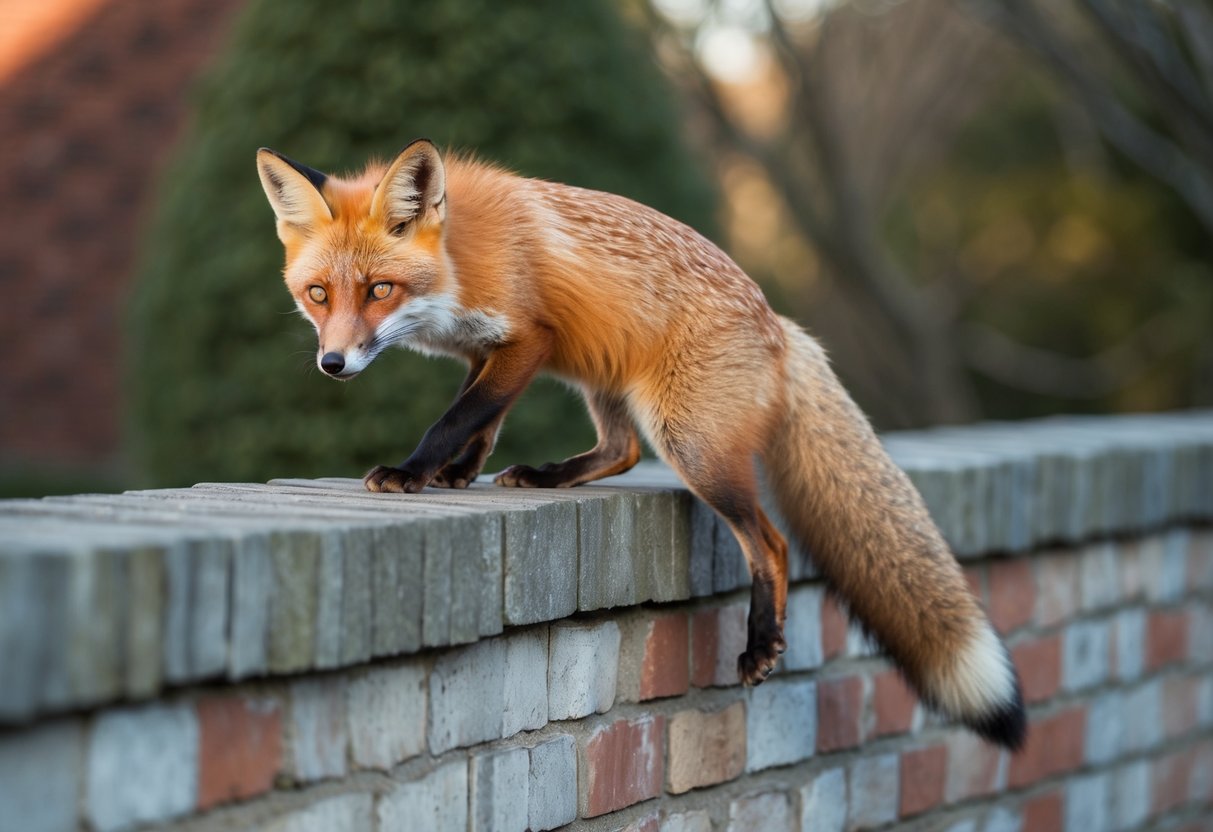
Foxes often find their way into urban environments, leading to various interactions with humans. Knowing how to manage these encounters can help keep both you and the foxes safe.
Foxes in Urban Environments
In urban areas, foxes adapt well to human presence. They may enter backyards searching for food, shelter, or even just exploring. Common food sources include pet food, food scraps, and even gardens.
It’s important to remember that these animals help control pests like rats and mice. However, you should take steps to limit their access to your property.
For example, secure garbage cans and keep pet food indoors.
Many people enjoy watching foxes, but they can be a nuisance if they become too comfortable around homes. Proper safety measures can help maintain the balance between enjoying wildlife and keeping your space secure.
Preventative Measures
To keep foxes out of your yard, consider using fox deterrents. You can use scent-based repellents that make your space less inviting. For example, human hair scattered around can help deter them.
Additionally, using fences can help, but make sure they are tall enough and buried underground. Foxes are known to dig and can jump over lower barriers.
Here are a few simple tips to deter foxes:
- Secure trash cans: Use tight-fitting lids.
- Remove food sources: Keep pet food and scraps inside.
- Create barriers: Use fences that are at least 6 feet tall.
By taking these steps, you can enjoy your space without frequent fox visits.
Fencing Solutions
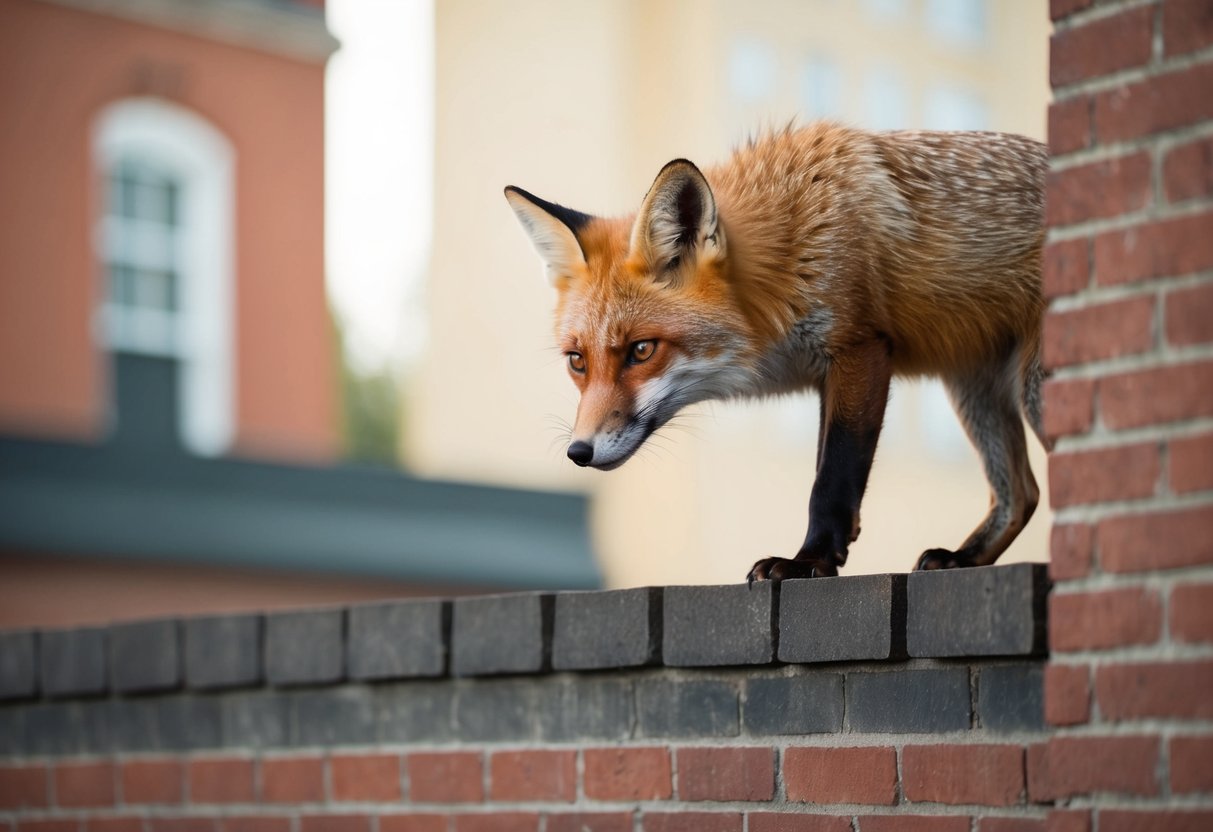
Creating an effective fence can help keep foxes out of your yard. Selecting the right type of fence and adding some extra protective measures are essential steps to protect your space and pets.
Choosing the Right Fence
When it comes to fencing, you have several options. A tall fence is often recommended, ideally at least 6 feet high. This height can prevent foxes from jumping over easily.
Fox-proof fences can also be made from wire mesh. Ensure that the mesh holes are small enough to prevent them from squeezing through.
Consider adding a chain-link fence with a solid base. This offers sturdiness and makes it harder for foxes to dig under. Some people also choose electric fences for added security. These fences can deter foxes and keep your pets safe.
Additional Protective Strategies
In addition to choosing the right fence, use other tactics to improve your yard’s defenses. Place chicken wire at the base of your fence, buried a foot underground to deter digging. This extra layer can be very effective.
You might also think of using barbed wire on top of your fence. This makes it less appealing for foxes to try climbing over.
Lastly, consider motion-activated lights or sprinklers around the perimeter. These can startle foxes and send them away. Making your yard less inviting to them can help keep your pets safe and secure.
Mitigation and Coexistence
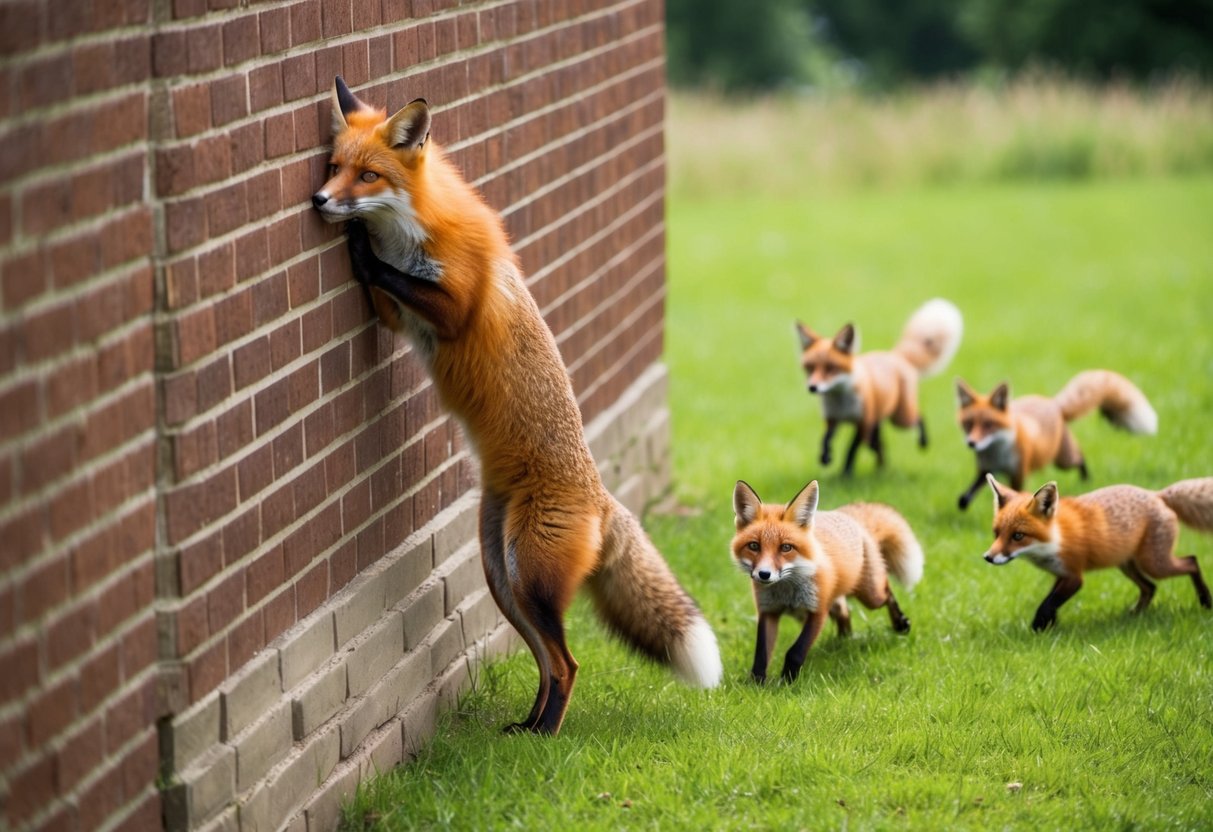
Finding ways to live alongside foxes can be effective and humane. You can take specific actions to deter them without causing harm while understanding their behavior can help you create a safe environment.
Deterring Foxes Humanely
To prevent foxes from visiting your property, consider using humane fox repellents. These repellents often contain natural ingredients that smell strong to foxes and can keep them away.
You might also invest in an electric fence. Although costly, it can be effective at keeping foxes out. Ensure any gaps in your fence are solid, as foxes are known for digging.
You can manage areas where foxes dig holes by checking for signs of burrowing. Paying attention to natural predators like guard dogs in your yard can also discourage foxes. Their presence alone often deters these clever animals.
Understanding Fox Behavior
Foxes are intelligent and adaptable creatures. They can climb well but prefer to avoid obstacles like high brick walls. They tend to explore at night, often hunting for food or investigating new areas.
By understanding their habits, such as what attracts them, you can take steps to minimize risks. For example, consider reducing food sources around your home. Secure trash bins and remove pet food left outside.
Foxes are opportunistic and can adapt, so it’s important to stay vigilant. Knowing their active hours helps you prepare and protect your space more effectively.


