
Ever wondered if chimps can recognize faces like we do? Actually, they can. Chimpanzees remember and recognize the faces of other chimps—even after years apart. Their social memories are way stronger than most people expect.

When you think about how much faces matter to us, it’s honestly kind of wild that chimps have this skill too. They don’t just notice friends or family for a moment—they remember those faces decades later. That’s just another way chimps feel pretty close to us.
Curious about how scientists figured this out or why it matters? There’s a lot to learn about how chimps remember each other and what this means for understanding animal behavior.
How Chimpanzees Recognize Faces
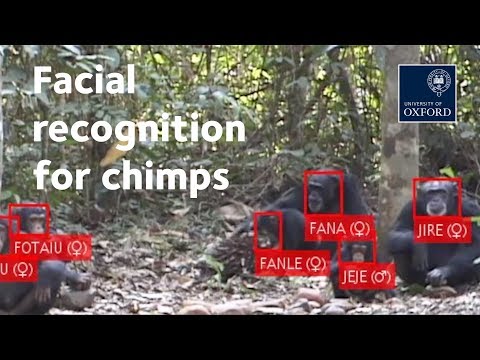
It’s honestly surprising how sharp chimps are at spotting faces. They don’t just see faces—they remember them, even after a long time. This ability helps them stay connected in their social groups.
Face Recognition Abilities in Chimps
Chimps quickly spot faces of others in their group. Your eyes help you pick out familiar people, and chimps do the same. Their brains focus on known faces.
These apes can tell friends from strangers. In tests, chimps stared longer at photos of chimps they knew than at photos of strangers. That’s not just about shapes or colors—they really remember faces.
You could call it a mental photo album. This skill helps chimps figure out who they can trust or who’s new.
Comparisons Between Chimps and Bonobos
Bonobos, who are close relatives of chimps, share many of these social skills. They also recognize faces well, but they’re a bit different. Bonobos act more peaceful and social, which might change how they use face recognition.
Both species remember others from their own kind, even after decades apart. That says a lot about how much long-term memory matters for their social lives.
Scientists like Laura Lewis studied how male chimps and bonobos react to familiar and unfamiliar faces. Both species show strong recognition, but their reactions can differ because of their social habits.
Long-Term Social Memory
Chimps have an impressive long-term memory for faces. You might forget a childhood friend’s face, but chimps remember others for 20 years or more—even without seeing them.
This skill is rare in animals. It’s key for their survival and friendships. When chimps reunite with old friends, they recognize them right away.
Such lasting memory highlights how important social bonds are for chimps.
Individual Relationships and Recognition
Not every face is the same in chimp society. You recognize people for all sorts of reasons—family, friends, rivals. Chimps do this too. A male chimp might remember who backed him up in a fight or who shared food.
Each relationship means something. Chimps groom close friends to keep bonds strong. Grooming isn’t just about cleaning; it’s a sign of trust and care.
When chimps meet again after years apart, their reactions depend on their shared history. Familiar faces bring calm, while strangers can make them wary. You can really see how personal and deep face recognition is for them.
For more details, check out how chimps and bonobos remember faces after decades.
Face Recognition in the Context of Primate Social Behavior

Face recognition shapes how chimps and bonobos build and keep social ties. It lets them remember friends, spot allies, and react the right way in their groups. This ability connects to other ways animals identify each other and has roots that stretch way back in evolution.
Role of Facial Recognition in Animal Societies
Facial recognition helps chimps and bonobos tell friends from strangers. Watch them for a bit—they’ll focus longer on faces they know, especially if there’s a good memory like grooming or playtime attached. This skill keeps social bonds strong and helps them avoid trouble with rivals.
For these primates, remembering faces helps them handle group dynamics. Chimps often move between smaller groups, so spotting old friends can mean more cooperation or sharing food. It’s almost like they carry a social map in their heads.
Other Forms of Recognition: Beyond the Face
Faces matter a lot, but chimps and bonobos use other cues too. Sounds—like calls or whistles—and smells help them figure out who’s who.
- Dolphins and elephants rely a lot on sound or scent.
- Chimps blend these senses with face recognition for a fuller social picture.
Comparative psychologists point out that chimps don’t just stare at faces blindly; they use all kinds of clues to know who they’re dealing with. When you think about animal behavior, it’s worth remembering how all these senses work together.
Evolutionary Perspectives on Primate Recognition
Primates probably evolved the ability to recognize faces because it helped them survive. Spotting an old friend—or a rival—quickly could mean the difference between getting food or getting into trouble.
Chimpanzees and bonobos hang out in groups that change all the time, so remembering faces for years really comes in handy. It’s not only about survival; it’s also about keeping the peace and working together.
This actually pushes back against the idea that only humans have strong long-term social memories. When you see chimps doing it, you realize this skill must’ve started before humans came along.
It’s kind of fascinating, right? Our closest animal relatives are sharper than people might think. If you’re curious, check out studies on chimpanzee and bonobo face recognition.


