
Ever wondered if a rat could really slip under your door? You’re definitely not alone. These sneaky little creatures have a reputation for squeezing into tight spots, which can make you a bit anxious about them finding their way inside.
The simple answer? Yes—if the gap is big enough for their head and ribcage, rats will squeeze right under your door.

Rats can’t totally flatten themselves, but they’re surprisingly good at stretching and wriggling their legs to sneak through small spaces.
Smaller or younger rats are even better at slipping under narrow gaps. It’s honestly a little unsettling how easily they manage it.
If you know how they pull this off, you can figure out the best ways to keep them out.
You might be shocked at how tiny a gap a rat can use to get in. Once you understand how they move and what spaces they like, you can start blocking these openings before a rat decides to move in.
How Rats Squeeze Under Doors

Rats are experts at slipping through tiny openings. Their bodies and their instincts help them fit through spaces that seem impossible.
Pay attention to how they get in, the size of the gaps they use, and any signs that rats might be hanging around your doors.
Physical Abilities of Rats
Rats don’t have collar bones, so their shoulders are super flexible. That lets them flatten out and squeeze into tight spots.
Their skulls feel kind of soft and aren’t totally fused, so they can nudge their heads through narrow gaps.
Rats use their whiskers to measure spaces before they try to squeeze through. That way, they don’t get stuck.
They’ve also got strong teeth, so they’ll gnaw at door edges or strips to make a gap bigger if they need to.
Typical Gap Sizes Rats Can Enter
Adult rats can fit through gaps as small as 12 millimeters (about half an inch) wide.
Younger or smaller rats can squeeze through even tinier spaces—sometimes less than half an inch.
So, if there’s a space under your door that’s more than half an inch wide, you’ve basically rolled out the welcome mat.
A lot of doors without protective strips or weather-stripping have gaps big enough for rats to get in.
Sealing up those spaces with rubber strips or door sweeps can keep them out.
Signs of Rat Activity Near Doors
Check for rat droppings near door thresholds or along the floor by the wall. They’re small, dark, and shaped like pellets.
You might spot gnaw marks on the edges of doors or wooden frames. Rats chew to widen their way inside.
Listen for scratching or scampering noises around your doors, especially late at night.
If you see dirty footprints or urine stains near the door, that’s another clue rats are lurking.
Keep an eye out for these signs so you can act fast and stop rats from getting inside.
Want more details on how rats squeeze through tiny holes and how to block them? Check out What Size Hole Can a Rat Get Through? – Dalton Supplies.
Preventing Rats From Entering Under Doors and Other Gaps
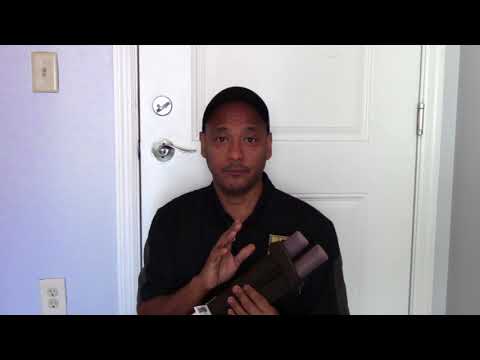
Since rats can squeeze through gaps as small as half an inch, you really need to block every possible entry point around your house. Focus on doors, windows, and any other little openings.
Using Door Sweeps and Thresholds
Door sweeps attach to the bottom of your doors to close up gaps. Make sure the sweep fits tightly against the floor—no cracks allowed.
Metal or heavy-duty rubber sweeps work best, since rats can chew through softer stuff.
Thresholds create a raised edge under the door, so gaps are harder for rats to use. If you combine a door sweep with a threshold, you make it tough for them to get in.
Check these regularly to make sure they’re still working. Even a tiny hole under the door can let rats inside, so sealing this area is super important.
Sealing Rodent Entry Points
Look for cracks and holes around your home’s foundation, floor edges, and spots where pipes or wires go in.
Fill these spaces with steel wool or metal mesh before you seal them up with caulk or cement.
Rats see any small gap as an invitation, so block even the tiniest spaces.
Rats chew through softer materials, so hard metals or concrete give you the best long-term fix.
Take your time and check all sides of your home. Gaps around utility lines are especially sneaky entry points.
Addressing Gaps Around Windows
Windows sometimes have small gaps or damaged seals that rats can use.
Add weather stripping around windows to reduce these spaces. Use a snug-fitting foam or rubber seal made for outdoor use.
If your window screens are broken or missing, fix or replace them as soon as you can. Screens keep rodents out.
Don’t forget to check where the window frame meets the wall. Sealing those joins with caulk keeps rats from squeezing in there, too.
When to Call Professional Pest Control
Sometimes, even after you try everything, rats still sneak inside. You might spot droppings, notice chew marks, or hear weird noises near your doors or windows—if that happens, you probably need to call in a pro.
Professional pest control experts check every entry point, even the ones you’d never think to look at. They bring their own tools and treatments to kick rodents out for good.
Honestly, calling a professional could save you a lot of time and frustration. Plus, it’s just safer for your home in the long run.
For more advice on how small rats can squeeze under doors, you can visit PCI Pest Control’s detailed guide on rodent entry sizes.


