
You probably imagine squirrels darting around every park, but Australia just isn’t like that. No squirrel species ever evolved naturally on the Australian continent, so you won’t find wild squirrels roaming free there.
A few non-native squirrels popped up in the past and you might spot them in zoos, but Australia’s trees mostly host possums and gliders that kind of fill that squirrel-shaped gap.

Let’s dig into why squirrels never really made it here, where a couple of introduced species showed up, and which native marsupials ended up doing the same kind of tree-top stuff. This way, next time you’re wandering through the bush or a city park, you’ll know which animals are acting like squirrels—even if they’re not.
Are There Squirrels in Australia?

True squirrels never evolved in Australia, but people did bring a few species over. Some introductions fizzled, and a couple only survived in small, tightly managed places.
Native Presence and Geographic Isolation
Australia doesn’t have any native members of the squirrel family (Sciuridae). Its mammals branched off on their own for millions of years, so you end up with marsupials, monotremes, and lots of native rodents instead of tree squirrels.
This long isolation kept true squirrels out of Australia’s wild places.
If you’re looking for squirrel-like creatures, you’ll spot possums, gliders, and phascogales. They live in trees and fill similar roles, but they’re not squirrels—they belong to totally different animal families.
History of Introduced Squirrels
In the late 1800s, people released at least two squirrel species in Australia. Around 1880, someone let American gray squirrels (Sciurus carolinensis) loose near Melbourne. By 1898, northern palm squirrels showed up around Perth.
These releases happened thanks to zoos or private collectors—sometimes on purpose, sometimes by accident.
Both introductions pretty much failed. The gray squirrel population died out in the wild. Palm squirrels hung on in a few spots, but they never took over the continent.
Old records mention small, scattered groups instead of big, thriving populations.
Current Status of Squirrels in Zoos
You might still see some non-native squirrels in Australian zoos and private collections. The northern palm squirrel survives in places like Perth Zoo, where staff keep them in enclosed spaces.
Zoo teams keep careful records and manage breeding to stop escapes.
They follow strict enclosure and care standards. That helps prevent these animals from forming wild populations.
If you want to see a squirrel in Australia, your best bet is a zoo exhibit.
Biosecurity and Invasive Species Concerns
Australia treats introduced mammals as a serious biosecurity risk. Introduced species can damage native plants and animals, spread diseases, and compete for food.
That’s why authorities act fast when exotic mammals escape or show up somewhere unexpected.
Regulations limit the import, release, and keeping of non-native squirrels. Wildlife officers track sightings and remove escaped squirrels when needed.
These rules help protect native ecosystems from invasive threats.
If you’re curious, here’s more about squirrels in Australia.
Native Australian Species That Resemble Squirrels
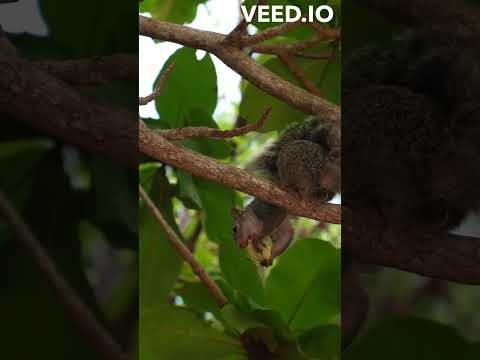
You’ll find plenty of small, tree-dwelling mammals that act a lot like squirrels. They glide, leap between branches, eat fruit and insects, and nest in tree hollows.
Sugar Glider and Its Unique Features
The sugar glider measures about 12–14 cm long, with a tail stretching 16–24 cm. It’s got this furred skin flap (the patagium) from wrist to ankle, letting it glide up to 50 meters in one go.
That’s kind of like a flying squirrel, isn’t it?
Sugar gliders are mostly nocturnal. You might spot them feeding on sap, nectar, insects, and small fruits.
They live in family groups and often share a hollow or nest. If you listen, you’ll hear soft barks and chittering as they chat with each other.
Take a look at their claws and long hind feet—you’ll see they’re built for gripping bark and hanging upside down. They don’t eat big seeds like some squirrels, but they’re important pollinators and help spread seeds in eucalyptus forests.
Squirrel Glider Habits and Habitat
The squirrel glider looks a lot like the sugar glider but is a bit bigger, with a longer head and a narrower patagium.
You’ll find it in eucalypt woodlands and open forests along eastern and southern Australia. It prefers spots with mature trees that have hollows for nesting.
Squirrel gliders get around by gliding and also running along trunks and branches. They eat nectar, lerp (that sweet stuff on leaves), insects, and sap.
At night, you’ll often see them moving in small family groups, traveling hundreds of meters between feeding spots.
They really need connected tree canopies. If local habitats have gaps from clearing, squirrel gliders struggle to get around.
Conservation plans often focus on restoring tree corridors and protecting patches of woodland to keep these gliders going strong.
Brush-tailed Phascogale Characteristics
The brush-tailed phascogale is a small, carnivorous marsupial—usually about 15–22 cm long—with a bushy black tail. Its agile body, long claws, and sharp teeth really stand out.
You’ll spot these traits when they’re hunting insects, spiders, and even small vertebrates in tree hollows. They mostly keep to themselves and come out at night.
You might find them tucked away in dry sclerophyll forests or woodlands, nesting in tree hollows. Males don’t live long after their first breeding season, which, honestly, makes population management a bit tricky.
Their feet and claws help them climb and leap between branches. They act a lot like squirrels, but they can’t glide.
You’ll often catch them foraging on trunks or even down on the ground. If you want to help local phascogale populations, keeping hollow-bearing trees around is key.


