
If you’re tired of watching crafty squirrels steal all your birdseed, don’t worry—there really are squirrel-proof bird feeders out there. With the right feeder, you can finally cut down on waste and mess.
A good feeder keeps squirrels at bay using weight-activated perches, spinning parts, or a sturdy cage. Birds can eat, but squirrels get shut out.

You’ll get a sense of how these feeders work and which styles might suit your yard or the birds you want to attract.
Take a closer look at the options—you might find a solution that finally protects your seed and fits your backyard setup.
How Squirrel-Proof Bird Feeders Work
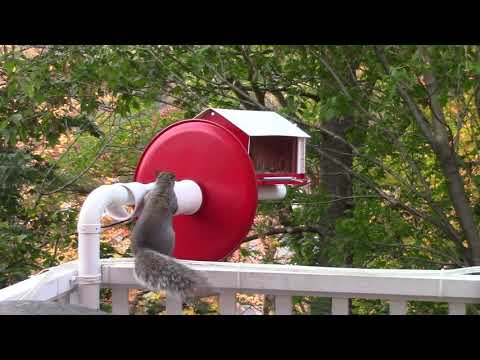
You can stop most squirrel raids if you pick the right feeder and put it in a smart spot.
Most feeders use weight, barriers, or motion to let birds feed while blocking squirrels.
Weight-Activated Mechanisms
Weight-activated feeders have perches or seed ports that snap shut under heavier weight. Small birds—just a few ounces—can land and eat.
If a squirrel (which usually weighs a pound or two) climbs on, the mechanism slams the ports shut or pulls the perch away.
You can usually adjust the sensitivity, so you can keep out big nuisance birds too.
Look for steel parts and tough springs, since squirrels love to chew and bend things.
Feeders like the Brome Squirrel Buster Standard and Squirrel Buster Plus use these tricks—inside, a spring or cam slides the ports closed when something heavy lands.
Benefits:
- Most songbirds feed without trouble.
- Squirrels get blocked, so you waste less seed.
But heads up—some models need careful cleaning and refilling. And if you put them too close to fences or trees, really determined squirrels might still jump on.
Caged Bird Feeder Designs
Caged feeders surround the seed tube with a metal mesh or cage.
The holes are just big enough for small birds, but squirrels and big birds can’t squeeze through.
Some models have 1.5-inch openings—enough for chickadees, finches, and nuthatches, but not gray squirrels.
If you want to feed small birds and save seed, these work pretty well.
Go for powder-coated steel or other chew-proof materials so the cage lasts longer and stands up to sharp teeth.
Keep in mind:
- Only certain birds can use these feeders.
- Make sure the cage size matches the birds you want.
- Place them away from launching spots for best results.
Motorized and Spinning Feeders
Motorized feeders sense weight or pressure and spin or tip when something heavy tries to feed.
The Yankee Flipper and similar Droll Yankees feeders spin quickly, tossing squirrels off (don’t worry, it doesn’t hurt them).
These usually run on batteries and only trigger for heavier animals.
The spinning often scares squirrels off for good.
Pros? They really stop squirrels, and you can feed medium-sized birds too.
Cons? You’ll need to check the batteries and fix parts once in a while.
A few tips:
- Mount them at least 10–12 feet from trees or fences.
- Use strong poles and keep an eye on the batteries.
- Add chew-proof parts if you’ve got extra-persistent squirrels.
Choosing the Best Squirrel-Proof Feeder for Your Yard

Pick a feeder that matches your yard, the birds you want, and how much effort you want to put into refilling and cleaning.
Check out the feeder’s size, how it mounts, and what anti-squirrel features it has before you buy.
Key Features to Consider
Look for weight-activated perches or motorized perches that close up when a squirrel lands.
These usually let small songbirds feed, but stop most squirrels.
A clear seed reservoir or U-shaped perch makes it easy to see how much seed is left and which birds are visiting.
Choose weather-resistant materials like powder-coated metal or thick plastic.
Drainage holes and seed ventilation help keep things dry and mold-free.
Go for a 3 to 5-pound capacity if you’d rather refill less often.
Smaller feeders work if you want to limit waste.
Think about how many feeding ports you want.
Six ports are great for busy yards, but four might be enough for fewer birds.
If you want to attract woodpeckers or nuthatches, suet feeders and double suet cages are good options.
Top Squirrel-Proof Bird Feeder Models
Stick with proven types: weight-activated tube feeders, motorized spinning feeders, and cage-style feeders with fine mesh.
A Brome-style weight-activated tube feeder works for lots of songbirds. Most have six ports and a clear seed tube so you can see when it’s empty.
A Yankee Flipper–style motorized feeder spins squirrels off but leaves birds alone.
Choose metal bodies for durability and locking lids to avoid spills.
Cage feeders and suet cages are great for woodpeckers and nuthatches, but check the spacing so only your target birds can fit.
If you don’t have overhanging branches, try a pole-mounted feeder with a squirrel baffle that spins or moves when climbed.
Smaller yards might do best with a Squirrel Buster Mini–style feeder, which is compact but still keeps squirrels away.
Installation and Placement Tips
Mount feeders at least 10–12 feet from decks, fences, or tree trunks so squirrels can’t leap onto them.
Pole-mounted feeders work best over grass or a concrete base. Don’t put them near anything a squirrel can climb.
Add a squirrel baffle on the pole, about 4–6 feet below the feeder, to stop climbers.
For hanging feeders, leave at least 18 inches of space around the feeder so squirrels can’t reach from nearby branches.
Try a U-shaped perch or a shepherd’s hook that keeps the feeder 6–8 feet off the ground.
Make sure you can see the feeder from a window so you can check seed levels.
Tilt feeders so water drains away from the ports and the seed stays dry.
Maintenance and Durability
Clean your feeders every couple of weeks using mild soap and hot water. During the colder months, go ahead and disinfect them once a month to help prevent disease.
Take out any old seed and check the drainage holes—this keeps the ventilation system doing its job. If you spot any cracked plastic or rusty parts, swap them out as soon as you can.
Pick feeders with weather-resistant features like sealed seams, powder-coated metal, and snug lids. Look over U-shaped perches and feeding ports for any signs of wear; a warped perch might make it easier for squirrels to mess with the ports.
If your feeders use battery motors, it’s honestly best to bring them inside during winter. Don’t forget to check rechargeable batteries now and then.


