
Squirrels often spark mixed feelings among gardeners. While they can be seen as cute and entertaining, their behavior raises concerns about plants and seeds. Despite common worries, squirrels can actually be beneficial for your garden. They help in seed dispersal, which can lead to new plants growing in your yard.
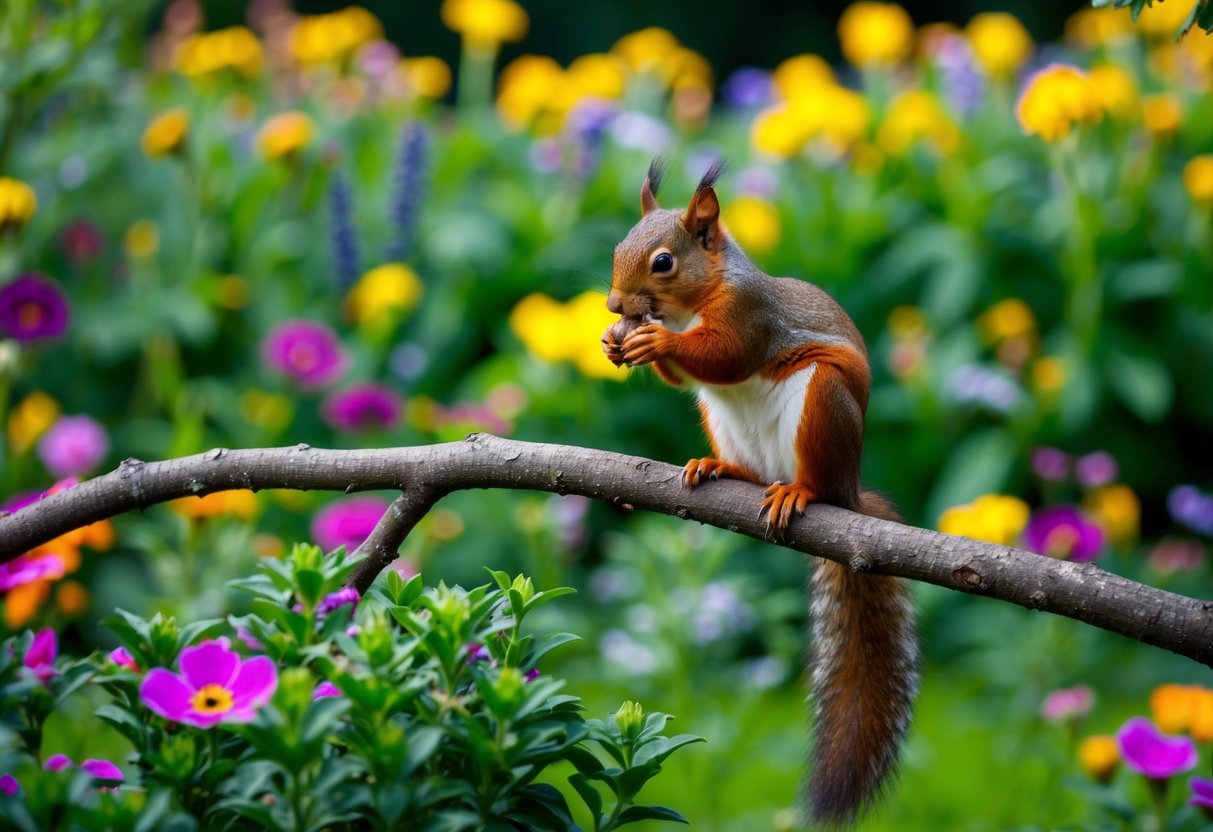
By burying nuts and seeds, squirrels inadvertently assist in planting new trees and flowers. This process can revitalize areas in your garden and promote biodiversity. Additionally, their role in the ecosystem also attracts various wildlife, making your garden a lively spot.
If you’re curious about how to coexist with these lively critters while reaping the rewards, read on to discover more about the positive impact squirrels can have in your garden.
Assessing Squirrels’ Role in the Garden
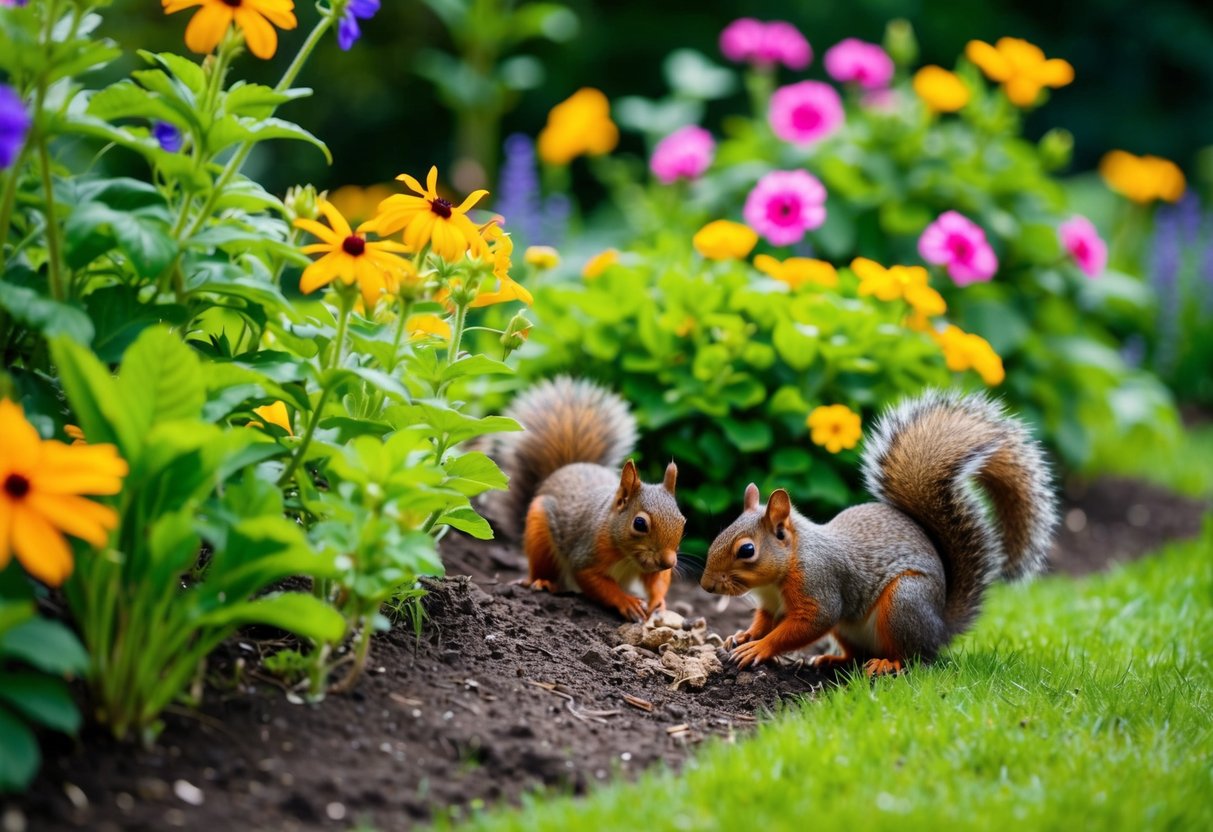
Squirrels can be both beneficial and challenging for your garden. Understanding their contributions to the ecosystem and the potential issues they may cause helps you find a balance in your gardening efforts.
Ecosystem and Wildlife Contributions
Squirrels are key players in your garden’s ecosystem. As omnivores, they eat a variety of foods, including nuts, seeds, and berries. In doing so, they help spread plant seeds across your yard. This natural process can lead to new plant growth and a more diverse environment.
Additionally, squirrels serve as a food source for various predators like hawks and foxes. By attracting these animals, you create a balanced ecosystem that controls other pests. These sightings can also be enjoyable, adding vibrancy to your outdoor space.
Challenges Posed by Squirrels
While squirrels bring benefits, they can act as pests in some situations. They may dig up bulbs, disturb plant roots, and consume young plants. This behavior can hinder your garden’s growth and health.
To mitigate this, consider installing physical barriers around delicate plants. Options like wire mesh or fencing can protect vulnerable areas without harming the squirrels. You can also provide designated feeding areas with nuts and seeds to draw them away from sensitive plants.
Balancing Squirrel Presence and Garden Health

Managing squirrels in your garden involves attracting them in a way that minimizes damage while maximizing enjoyment. You can find ways to coexist by using specific methods to deter them from your plants while ensuring they have their needs met.
Attracting or Deterring Squirrels
If you want squirrels in your backyard for their entertainment value, consider planting squirrel-friendly plants like mint and daffodils. These plants attract squirrels without harming your garden.
To keep squirrels away from more delicate plants, use strong scents. Essential oils like clove and garlic can work as natural deterrents. You can also sprinkle cayenne pepper around your plants as an effective repellent. Hardware cloth or chicken wire can physically keep them out of flower beds.
Combining these tactics creates a balanced environment. This way, you can enjoy cheerful squirrel antics while protecting your plants from property damage.
Effective Strategies for Coexistence
Creating a squirrel feeder filled with sunflower seeds or nuts can provide them with an alternative food source. This keeps them entertained and distracted, reducing the risk of them raiding your bird feeders.
You can also try motion-activated sprinklers to discourage squirrels from entering certain areas. Another idea is using aluminum foil around vulnerable potted plants to deter digging.
If you live in an area with natural predators, consider using predator urine as a scent barrier. This may help to keep them at bay while preserving a healthy habitat for both your garden and the squirrels. By wisely managing the balance between attracting and deterring squirrels, you can create an enjoyable gardening experience.


