
Maybe you love watching squirrels dart through the trees, but you worry when they chew wires, dig up bulbs, or raid your bird feeders. Squirrels can be both helpful and a bit of a nuisance — they spread seeds and bring some energy to your yard, but they also damage gardens, homes, and sometimes carry parasites.

This post digs into the real risks squirrels bring and offers some simple steps you can take to protect your property while still enjoying the wildlife. You’ll see what to watch for, the ways they benefit your neighborhood, and some practical tips to keep them from turning into a headache.
Are Squirrels Bad to Have Around? Key Risks and Issues
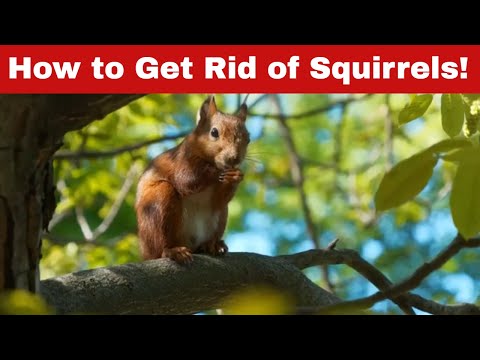
Squirrels chew, nest, and carry pests that can affect your home, yard, and health. You’ll want to know which risks matter most so you can actually protect your property and family.
Property Damage Caused by Squirrels
Squirrels chew all the time to keep their teeth worn down. You might spot gnawed electrical wires, chewed insulation, or torn roof flashing.
Damaged wiring can cause short circuits and even raise the risk of fire. Ruined insulation and vents let heat escape, which bumps up your energy bills.
They also strip bark and dig up gardens. Bird feeders, bulbs, and vegetable patches often take the hit.
Roof and attic damage usually shows up as small entry holes or shredded nesting material near vents and eaves.
If you notice fresh chew marks, chewed wiring, or droppings in the attic, act fast. Seal gaps with steel mesh, trim any branches touching your roof, and secure food sources to keep the damage down.
Health Concerns and Disease Transmission
Squirrels carry parasites like fleas and ticks, which can spread to you or your pets. They sometimes host bacteria or viruses linked to leptospirosis, tularemia, and—though rarely—rabies through bites or scratches.
Contact with squirrel saliva, urine, or nesting material can raise your risk. Pets, especially dogs or cats that chase squirrels, can bring ticks into the house.
Always wash your hands after touching places where squirrels nest or forage.
If a squirrel bites you, get medical advice right away. Your doctor might suggest cleaning the wound, a tetanus shot, or a rabies assessment.
For tick bites, remove the tick immediately and watch for fever or rash.
Squirrel Infestations in Homes and Gardens
Squirrels slip into attics, chimneys, and crawl spaces to nest and raise their young. Once inside, they use insulation and paper for nests, which brings noise, odor, and fire hazards.
You might hear scratching at dawn or dusk. Shredded nesting material is another giveaway.
In gardens, their digging and caching can wreck lawns and planting beds. Ground squirrels dig burrow systems that can trip people or pets and mess up irrigation lines.
To control them, find entry points and set up one-way exits for attic squirrels. If you find nests with young, call humane wildlife control.
Remove food attractants and secure compost, bird feeders, and pet food to stop repeat infestations.
Common Squirrel Species and Their Problem Behaviors
Gray squirrels and fox squirrels climb roofs and chew through vents and soffits. In the suburbs, they’re usually the ones nesting in attics and damaging roofs.
Gray squirrels are especially agile and reach higher roof lines from tree limbs.
Ground squirrels dig on lawns and under structures, making burrows that can weaken soil and foundations. Their burrows often host fleas and ticks more than tree squirrels do.
Knowing which squirrel you’re dealing with helps you pick the right fix. If you see a bushy-tailed climber on your roof, trim branches and seal roof entry points.
For burrows, reinforce the soil, install barriers, and try exclusion methods recommended by wildlife pros. Want more on risks and home damage? Check out more on common squirrel impacts on property.
Balancing Squirrel Challenges With Their Benefits and Solutions

Squirrels help spread seeds and boost forest regeneration, but they can also dig up bulbs, raid feeders, and chew wires. You can protect your garden and home with a few simple fixes—seal gaps, add mesh, and use humane deterrents.
Benefits of Squirrels for Nature and Gardens
Squirrels bury nuts and seeds, and honestly, they forget a lot of them. This helps with seed dispersal and supports forest regeneration.
Their habit helps oak, walnut, and other native trees grow in new spots, which improves habitat diversity for birds and insects.
It’s kind of cool to watch how their caching increases plant variety over time in your yard. Squirrels eat some garden pests and help turn soil when they dig, which can improve aeration and mix up nutrients.
Try leaving a wild patch or a native-plant area so natural regeneration can happen without ruining your favorite flower beds. This gives wildlife food while saving your bulbs and seedlings.
Effective Prevention and Squirrel-Proofing Strategies
Start by sealing entry points around your house. Check eaves, vents, and any gaps larger than half an inch—use metal flashing or hardware cloth to keep squirrels out.
That keeps them from chewing on wires and making nests in the attic.
Protect bulbs, seedlings, and compost with buried mesh or wire cages. Use 1/2-inch galvanized hardware cloth over planting areas and secure it flat with the soil to stop digging.
Install a 3-foot-high fence with a 6-inch outward lip or smooth metal sheeting to keep tree squirrels out of your vegetable patch.
For bird feeders, try baffles and weight-sensitive feeders that close when a squirrel climbs on.
Squirrel Repellents and Humane Deterrents
Try predator urine or commercial squirrel repellents to keep squirrels away from certain spots. Use repellents sparingly and always follow label directions—reapply after heavy rain.
Motion-activated sprinklers, ultrasonic devices, and timed lights can scare squirrels off from gardens and attics. These nonlethal options work best when you combine them with barriers and sealed entry points.
Skip poisons or illegal trapping. If you need squirrels removed, call a licensed wildlife control operator who follows local laws and relocates animals humanely if allowed.
Tips for Coexisting with Squirrels Responsibly
Stop feeding squirrels directly. If you feed them, they’ll just keep coming back, which usually leads to more problems.
If you want to enjoy watching wildlife, try setting up a squirrel-specific feeding station. Put it away from your garden and house—honestly, it’s just less hassle that way.
Keep bird feeders safe by placing them about 10–12 feet from trees or fences. You could also try a squirrel-proof feeder, though they sometimes figure those out too.
Plant native nut- and seed-bearing trees along the edge of your property. This gives squirrels a natural food source, so they’re less likely to raid your garden.
If squirrels keep digging up your bulbs, try replanting them in wire cages. Heavier mulch can help too.
When squirrels become a real headache, reach out to local wildlife experts. You can also check out guides on humane deterrence—just make sure your approach fits local rules and the species around you.
Want to learn more about how squirrels fit into the ecosystem? You can read about their impact on ecosystems and seed dispersal at KnowAnimals.


