
When you think about raccoons, you might wonder if they are more like cats or dogs. These clever creatures certainly have traits reminiscent of both. In reality, raccoons are more closely related to bears and weasels than they are to either cats or dogs. This unique position makes them fascinating animals to study.

Raccoons are medium-sized mammals known for their playful behavior and inquisitive nature. They possess characteristics that can remind you of cats, such as their agility and ability to climb. On the other hand, their social behavior and intelligence often draw comparisons to dogs. Understanding these distinctions can enhance your appreciation for raccoons and their role in nature.
Throughout this article, you’ll explore the surprising relationships raccoons hold with other animals as well as their behaviors and habitats. By the end, you’ll have a clearer picture of where raccoons fit in the animal kingdom.
Understanding Procyonidae: The Raccoon Family
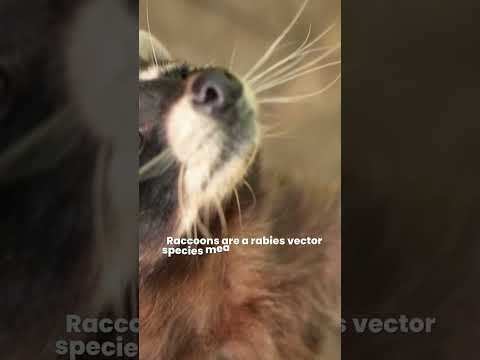
Procyonidae is a fascinating family that includes raccoons and their relatives. These small to medium-sized mammals are known for their unique traits and behaviors. Their classification, behavior, and diet play a crucial role in understanding how they fit into the animal kingdom.
Physical Attributes and Classification
Raccoons and their relatives belong to the Procyonidae family. This family includes creatures like coatis, kinkajous, and ringtails. Raccoons are often recognized by their black “mask” markings and ringed tails.
They have a robust body and their size varies by species. While they share some features with cats in terms of agility, they are not related. Instead, their closest genetic ties are to bears. The ring-tailed cat and cacomistle also display physical traits of Procyonidae, featuring long, ringed tails which help with balance.
Behavior and Habitat
Raccoons are generally solitary animals, though they can be social during certain times of the year. They are known for their curious nature and often explore their surroundings.
Raccoons live in diverse habitats, including forests, urban areas, and wetlands. Changing ecosystems and habitat loss can greatly affect their territories. These animals tend to adapt well to human presence, often foraging in garbage cans. Their ability to thrive in different environments makes them quite unique among mammals.
Diet and Omnivorous Nature
Raccoons are omnivorous, meaning they eat both plants and animals. Their diet includes fruits, nuts, insects, and small animals. They have a knack for finding food based on their surroundings.
Kinkajous, another member of the Procyonidae family, help pollinate flowers while foraging. This shows the important role these animals play in their ecosystems. By spreading seeds and controlling pest populations, they contribute to biodiversity in their habitats.
Understanding the raccoon family gives you insight into their adaptability and importance in the environment.
The Feline Connection: Cats and Their Relatives

Cats, both domestic and wild, share fascinating connections within the animal kingdom. This section explores the classification of felines and how domestic cats relate to their wild cousins.
Carnivora and Feliformia: Understanding the Cat Family
The cat family, known as Felidae, is a group of carnivorous mammals under the order Carnivora. This order also includes dogs, bears, and seals. Within Carnivora, felines fall under a suborder called Feliformia, which means “cat-like.”
Felines are specialized hunters. They have sharp retractable claws and keen senses. This adaptation helps them catch prey, like small mammals and birds. Examples of well-known cats include the domestic cat, the Maine Coon, and the Norwegian Forest Cat. Each brings unique traits while sharing a common lineage with wild relatives.
Domestic Cats vs. Wild Cousins
Domestic cats (Felis catus) are actually descendants of wildcats. They are playful, curious, and make good pets, thriving in various environments.
You may notice that outdoor cats often exhibit features similar to their wild ancestors—like hunting instincts and nocturnal behaviors. Wild cats, such as lions and tigers, live in diverse habitats and play essential roles in their ecosystems.
They also have fewer domesticated traits compared to their domestic cousins. While both types may share similar physical features, their behaviors and lifestyles differ significantly, especially in mating and raising kittens.
Understanding these connections can deepen your appreciation for the furry friends in your life.
Comparative Analysis: Raccoons, Canines, and Felines

Understanding the relationships between raccoons, dogs, and cats helps clarify their behaviors, ancestry, and skills. Let’s take a closer look at their evolutionary backgrounds, behavioral traits, and cognitive abilities.
Shared Ancestry and Evolutionary Traits
Raccoons, dogs, and cats all belong to the order Carnivora. However, raccoons are part of the Procyonidae family, while dogs and cats fall under Canidae and Felidae, respectively. This means raccoons share a more recent common ancestor with bears than with either dogs or cats.
Raccoons and dogs are both descendants of the Carnivora lineage, yet they diverged millions of years ago. Their evolutionary paths mean they have adapted to different environments and lifestyles.
For instance, raccoons are omnivorous, feeding on both plants and animals, while dogs evolved primarily as carnivores. Raccoons are also nocturnal, giving them unique adaptations like enhanced night vision.
Behavioral Similarities and Differences
When it comes to behavior, all three animals show adaptability, but their social structures vary. Dogs are highly social animals, often living in packs.
Raccoons, on the other hand, are more solitary, though they can coexist in groups when resources are abundant. Raccoons are known for their dexterity and curiosity. They use their paws much like hands, allowing them to manipulate objects. This behavior is less pronounced in cats and dogs.
While dogs may show loyalty and protective instincts, raccoons are opportunistic foragers, seeking food wherever they can find it. Both raccoons and cats exhibit hunting behaviors, often stalking their prey, but raccoons are more adaptable in urban environments.
Cognitive Abilities and Problem-Solving
Cognitive abilities in these animals can be quite fascinating. Raccoons are highly intelligent, displaying impressive problem-solving skills. They can remember solutions to tasks for up to three years. This is particularly useful for finding food.
While dogs also show intelligence, particularly in training and tasks, their problem-solving often focuses on social interaction. Cats have their own unique intelligence, especially when it comes to hunting and stealth.
Raccoons’ intelligence often leads to creative ways to access food and evade potential predators, like coyotes and owls. This adaptability demonstrates their ability to thrive in varied environments, showcasing both instinct and learned behaviors.
Raccoons In Our Midst: Human Encounters and Concerns

Raccoons are often seen in urban areas, adapting well to life alongside humans. While they can be endearing, there are important concerns regarding their behavior and the health risks they may pose.
Urban Wildlife and Adaptations
Raccoons, sometimes called “trash pandas,” thrive in urban settings. They are known for their intelligence and problem-solving skills. You might find them rummaging through garbage cans in search of food.
These animals have become more accustomed to human environments due to the availability of food, making them less afraid of people. During breeding season, they can be more active, leading to increased encounters.
Raccoons tend to interbreed with other raccoons but rarely with dogs and cats, even though they share a similar environment. This adaptability helps them survive alongside coyotes and deal with potential threats from rodents and other small animals.
Health Risks and Disease
Raccoons can carry diseases that might affect you or your pets. One significant concern is rabies, though not all raccoons are infected. Taking precautions around them is essential.
Raccoons are also known carriers of roundworm, which can spread through contact with their feces. This poses a risk, especially for children playing in areas like sandboxes.
Understanding misconceptions about raccoons is crucial. While they may seem cute, it’s best to give them space to prevent any aggressive behavior, particularly if they feel cornered. Keeping trash secured helps reduce their visits, helping you coexist peacefully with these curious creatures.


