
Ever wondered if orangutans are as aggressive as chimps? Honestly, not really. Orangutans usually stay much calmer and less aggressive than chimpanzees. Both are great apes and share a lot of DNA with us humans, but their personalities and social lives? Totally different.

Orangutans spend most of their time alone, hanging out high in the trees. They mostly keep to themselves and seem to avoid trouble whenever possible.
Chimps, though, live in big groups. That means way more competition and, honestly, more drama.
If you think about how these apes live, it starts to make sense why their personalities don’t line up. Their lifestyles shape their behavior in some pretty striking ways.
You might be curious about what actually makes chimps more aggressive, or why orangutans seem so mellow. There’s a lot to unpack here, so let’s get into it.
Aggression in Orangutans Versus Chimpanzees
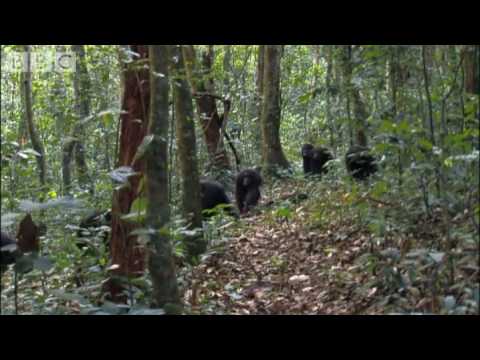
Orangutans and chimpanzees don’t really handle conflict the same way at all. You’ll see big differences in aggression, social habits, and even the reasons they fight.
Behavioral Differences
Orangutans mostly go solo. They avoid fights by just sticking to themselves, and they only get aggressive if they have to protect themselves or compete for a mate.
Their calm vibe means you almost never see serious fights between them.
Chimpanzees, though, live in groups called troops. These can get pretty big, and chimps often compete for status, food, and mates.
That leads to more frequent and intense fights. They’ll bite, hit, and chase each other when things get heated.
Aggression helps them protect their territory and keep order in the group.
Aggressive Incidents and Social Dynamics
Chimps sometimes plan their aggression. They’ll work together to defend their territory or go after rivals.
Groups can get huge—up to 150 chimps—so there’s a lot of power struggles, especially among the males.
Sometimes, they even team up to attack others, and those fights can get pretty rough. Serious injuries or even deaths aren’t that rare.
Orangutans just don’t do the whole organized aggression thing. Because they’re mostly on their own, they don’t run into others as much, so fights are rare.
If orangutans do get aggressive, it’s usually quick and not very harmful. Wild orangutans especially would rather just avoid a fight altogether.
Factors Influencing Aggression Levels
Social structure really shapes how aggressive these apes get. Chimps’ big, male-heavy groups naturally cause more competition.
Orangutans, living solo, just don’t need to fight as much.
Habitat also comes into play. Chimpanzees often have ranges that overlap, so they bump into each other more and end up in more conflicts.
Orangutans keep their territories separate, which means fewer disputes.
Population density matters too. More male chimps in one place equals more fighting. Human presence can change their behavior a bit, but it doesn’t really cause aggression in either species.
If you want to dig deeper into their aggressive behavior, check out Are Orangutans as Aggressive as Chimps?.
Physical Strength and Social Structure

Orangutans and chimps both pack a punch, but in different ways. Their social lives kind of decide how they use that strength.
You’ll notice their bodies are built for totally different tasks, and the way they live changes how often they get into conflicts.
Strength and Body Adaptations
Orangutans are bigger and stronger than chimps. They’ve got these long, super-powerful arms and strong jaws.
They can lift up to 500 pounds—more than twice their own weight. That strength helps them swing through trees with ease.
Chimps are smaller, but they’re quick and clever. They don’t just rely on muscle; they use teamwork and smart tactics when they’re in a fight.
If a chimp gets into trouble, their friends usually have their back.
Even though orangutans are stronger, chimps have the numbers on their side. With their size difference, you’d almost never see them face off one-on-one.
Solitary Versus Social Lifestyles
You’ll usually spot orangutans living on their own. Adult males claim territories and pretty much keep to themselves.
They don’t have to fight much, honestly. Orangutan infants stick with their moms for years, picking up survival skills quietly and mostly solo.
Chimpanzees, on the other hand, hang out in big groups called troops—sometimes with up to 100 chimps. That kind of crowd makes competition for mates and territory a lot more intense.
Male chimps fight often to hold onto their spot in the group or to get resources. You see way more aggression in their world.
Orangutans avoid all that drama by mostly going it alone. They don’t form groups or alliances like chimps do out in the wild.
If you want to dive deeper, check out this comparison of orangutans and chimpanzees.


