
It might surprise you just how helpless a newborn lion really is. Yes — lion cubs come into the world blind, so they depend completely on their mother for warmth, food, and protection during those first fragile days.

As you read on, you’ll find out when their eyes finally open, how soon they start to move, and what the pride actually does to keep them hidden and safe. These early milestones shape how cubs go from tiny, blind bundles to curious, playful young lions.
Are Lion Cubs Blind at Birth?
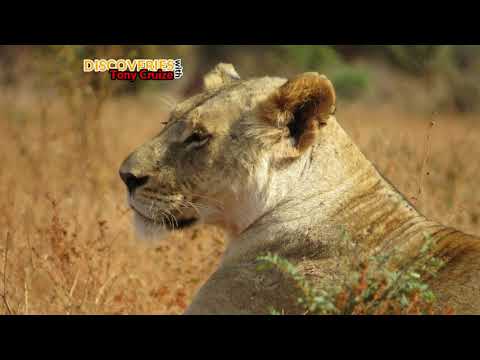
Lion cubs can’t see at birth. They depend on their mother for warmth and food, and their eyes stay closed for several days.
Their sight develops slowly as their nervous system matures. It’s a vulnerable start, honestly.
How Long Lion Cubs Remain Blind
Most newborn lion cubs open their eyes between 6 and 14 days after birth. During that time, they can’t track movement or see shapes at all.
They’ll stay hidden in a den while their mother heads out to hunt. Once their eyes open, vision comes in blurry at first—just fuzzy shapes and strong contrasts.
It takes a few more weeks for clear focus and depth perception to develop. Cubs still have to rely on their sense of smell and touch for most things.
Zoo staff and vets check their weight and health often in those first weeks. If a cub’s eyes don’t open by two weeks, someone will examine the cub for infection or developmental issues.
Development of Eyesight in Baby Lions
When a cub’s eyes finally open, the retinas and visual cortex are still catching up. You’ll see the cub start to react more to light and movement over the first month.
Fine detail and coordinated tracking appear later on. By 4 to 8 weeks, you’ll notice cubs following moving objects and other cubs during play.
That play helps build hand-eye coordination and early hunting skills. Full visual sharpness and color vision keep improving for months.
If you spot discharge, swelling, or cloudy eyes, it’s time to call a vet. Early care can prevent infections that might harm a cub’s vision for life.
Physical Characteristics of Newborn Cubs
At birth, lion cubs weigh about 1.5–3.5 pounds (0.7–1.6 kg). Their fur comes spotted or patterned, which helps hide them in the grass while they’re still wobbly and can’t see.
Cubs have closed eyelids, tiny folded ears, and no teeth yet. Their legs are short and their limbs weak, so they crawl to their mother for milk.
When their eyes open, they’re often a bluish-gray—eventually turning amber or brown as they grow. Zoo staff monitor weight, temperature, and eye health to make sure the cubs grow strong and develop normal sight.
Early Growth and Milestones of Lion Cubs

Let’s get into how cubs move from total dependence to joining the pride, when they start eating meat, and how they fit into the pride’s social world.
Dependence on the Lioness
From the start, cubs rely on the lioness for warmth, milk, and safety. They’re born blind and weigh just 1–2 kg.
The mother hides them in thick grass or rocky crevices to keep them away from hyenas and leopards. She feeds them every few hours, and her milk gives all the nutrients they need for the first weeks.
She also keeps them clean and protects them from parasites. If a new male takes over the pride, there’s a real risk—he may kill cubs that aren’t his.
Lionesses sometimes move cubs between dens to stay hidden. She stays close, while other pride females might leave to hunt but come back to nurse and groom the cubs.
Weaning and First Steps Outside the Den
Around 6 to 8 weeks, cubs start sampling meat. You might see them at communal meals when the pride brings down a kill.
Mothers and related lionesses will bring pieces of carcass to the den or let cubs feed at the kill site. By 2 to 3 weeks, their eyes open and they start to wobble around.
By 6 to 12 weeks, they’re practicing walking and pouncing. Play is constant—mock stalking and batting help build the skills they’ll need for hunting.
Weaning usually wraps up by 6 months, but cubs sometimes nurse a bit longer while learning to eat solid food. During this time, hyenas and leopards still pose big threats, so the pride keeps a close watch at kills and while moving.
Older cubs tend to push boundaries faster than the little ones. It’s all part of growing up lion.
Introduction to the Pride Structure
As cubs grow up, the pride’s social rules start to shape their behavior in subtle ways. You’ll often see females teaming up—related lionesses might nurse each other’s cubs or help teach the little ones how to hunt.
Male lions have a different role. Resident males defend the territory and resources, but honestly, they can become a threat if a new coalition of males shows up.
Females usually stick with their birth pride and pick up hunting skills from the older lions. Males, on the other hand, leave around age two or three and look for new territories.
It’s important to notice how pride hierarchy affects who gets to eat first. Dominant adults usually claim the first share, and cubs only get early access if the adults allow it.
If you pay attention to pride dynamics, you’ll start to see why cub survival depends on group size, how closely related the females are, and whether protective males are around to fend off rivals or predators.
Social bonds and competition both play a big part in how cubs grow up. It’s a complex mix, but that’s what makes watching lions so fascinating, isn’t it?


