
If you’re thinking about getting a Siberian Husky as your first dog, you might have some questions. Huskies are known for their playful and energetic nature, which can be both exciting and overwhelming. While they can make excellent companions for active families, they are not always the best choice for first-time dog owners.

These dogs are friendly and often get along well with children and other pets. However, their strong-willed and independent personality means they require dedicated training and socialization. If you’re ready to invest time and effort into raising your husky, you may find yourself with a loyal and loving friend.
Before deciding, it’s important to consider your lifestyle and how well a Husky fits into it. If you enjoy outdoor activities and have the patience for their training needs, a Husky can bring joy and companionship to your home.
Understanding the Husky Breed

Siberian Huskies are unique dogs that come with distinct traits and characteristics. It’s important to learn about their personality and physical features to determine if they’re a good match for you.
Temperament and Personality
Siberian Huskies are known for their independent nature. This can make them a bit challenging for first-time dog owners. They have strong personalities and often think for themselves.
Huskies are highly energetic and require plenty of exercise. Daily walks, running, and playtime are essential to keep them happy. It’s important to provide mental stimulation too, as they can get bored easily.
They are friendly and social dogs, thriving in active environments. However, their strong prey drive means they may chase after smaller animals. Training and socialization are crucial from an early age to manage their behaviors.
Physical Appearance and Attributes
Siberian Huskies are famous for their striking wolf-like appearance. They have thick fur that can come in a variety of colors, from black and white to red and agouti. Their piercing blue or multi-colored eyes add to their charm.
This breed is medium-sized, usually weighing between 35 to 60 pounds. They have a strong, athletic build designed for stamina and endurance.
Huskies are also known for their erect ears and bushy tails, which curl up over their backs. Their coat requires regular grooming, especially during shedding season, to keep it healthy and reduce loose hair around your home.
Requirements for Husky Owners

Owning a husky requires a commitment to meet their unique needs. This breed thrives on physical activity, regular grooming, and adequate living space. Here’s what you should know.
Exercise Needs
Siberian huskies are energetic dogs that need plenty of regular exercise. Aim for at least 1-2 hours of physical activity daily. This could include long walks, runs, or playtime in a secure area.
Huskies love to run and explore, so consider taking them to a dog park or on hiking trails. Without enough exercise, they may become bored and destructive. Engage them with interactive toys and activities to keep their minds sharp. A tired husky is a happy husky!
Grooming and Shedding
Huskies have a thick double coat that sheds quite a bit. Expect to brush your husky at least twice a week, and more frequently during shedding season. This helps reduce loose hair around your home.
Regular grooming not only keeps their coat healthy but also gives you a chance to check for skin issues or pests. Bathing should be done sparingly, as too much can strip their coat of natural oils. Be prepared for some shedding; a vacuum will be your best friend!
Fenced Yard and Living Space
Having a fenced yard is ideal for huskies because they can be escape artists. Ensure your fence is at least 5-6 feet high to keep them safe. Huskies need space to run and play, especially if you live in an apartment.
If you live in a smaller space, take them out frequently for exercise. Make sure they have a comfortable space inside your home, too. Keep in mind, huskies thrive in moderate climates but can adapt with proper care.
Training and Socialization

Training and socialization are critical parts of owning a Husky. These dogs require consistent training methods, especially because of their strong will. Effective socialization helps your Husky develop into a well-adjusted pet.
Positive Reinforcement Techniques
Using positive reinforcement techniques is key to training your Husky. This method involves rewarding your dog for good behavior, making it more likely that they will repeat it. Rewards can be treats, praise, or playtime.
Make sure to be consistent with your commands. If you ask for a “sit,” use the same word every time. You can create a training schedule and have short sessions to keep your Husky engaged. This way, training can be both effective and enjoyable for you and your dog.
Socialization With Humans and Pets
Socialization is important for Huskies to feel comfortable around different people and animals. Early exposure to various environments, sounds, and smells helps reduce anxiety and fear later on.
Introduce your Husky to new humans, pets, and situations gradually. Arrange playdates with friendly dogs to promote positive interactions. This interaction builds confidence and teaches your Husky how to behave in social settings.
Take them to pet-friendly places, such as parks, to expose them to various stimuli. The more experiences they have, the better they will adapt to social situations in the future.
Preventing Escape Attempts
Huskies are known escape artists. They can climb fences and dig under barriers if not properly trained. To prevent escape attempts, focus on reliable training.
First, ensure your yard is secure. Closed gates and sturdy fences are necessary. During training, teach commands like “stay” and “come” to reinforce boundaries.
Additionally, keep your Husky entertained with exercise and mental stimulation. Boredom can lead to attempts to escape. Regular walks, playtime, and engaging toys will keep your dog happy and content in their home.
Living With a Husky
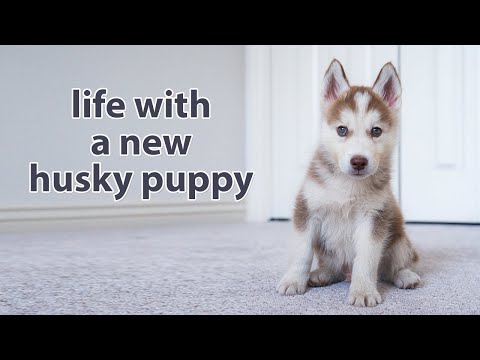
Owning a husky can be a rewarding experience filled with companionship and loyalty. You’ll need to establish daily routines that focus on their energy needs while also considering their health and emotional well-being.
Daily Routines and Companionship
Creating a daily routine for your husky is essential. These dogs thrive on structure and require regular exercise. Aim for at least 1-2 hours of physical activity each day. Activities can include long walks, runs, or playtime in the yard.
In addition to exercise, mental stimulation is important. Interactive toys or training sessions can keep them engaged. Huskies enjoy being part of the family, so include them in your activities whenever possible. This builds a positive relationship and helps in managing their energetic nature.
Managing Separation Anxiety
Huskies are known for their loyalty and strong bond with their owners. Because of this, many may face separation anxiety when left alone. To help with this, practice leaving your husky alone for short periods. Gradually increase the time to help them adjust.
Consider creating a designated space for your husky with toys and a cozy bed. You can also provide mental stimulation with puzzle toys that keep them occupied. Training your husky to be comfortable alone can lead to a happier home environment for everyone.
Allergies and Health Considerations
When you own a husky, be aware of potential health concerns and allergies. Some huskies may suffer from allergies, which can lead to skin issues and discomfort.
Regular vet check-ups are essential to monitor their health.
Pay attention to their diet. Ensure they are getting balanced nutrition. Certain foods can cause allergies, so introduce new items slowly.
Maintaining a proper diet and watching for allergies will support your husky’s overall health and happiness.


