
When it comes to speed in the animal kingdom, two names often come up: the cheetah and the greyhound. The cheetah holds the title as the fastest land animal, capable of reaching speeds up to 70 miles per hour, while greyhounds are recognized as the fastest dog breed, clocking in around 45 miles per hour. This comparison might make you wonder how these two incredible animals stack up against each other.
Cheetahs excel in short bursts of speed, allowing them to catch prey with impressive agility. They are built for quick sprints rather than endurance. In contrast, greyhounds are remarkable at maintaining speed over longer distances, which helps them in races.
As you explore this topic further, you’ll discover more about their fascinating differences and how these traits make each animal exceptional in its own right. You’ll gain insights into what makes them truly fast and why speed matters so much in their lives.
Comparing Speed and Agility
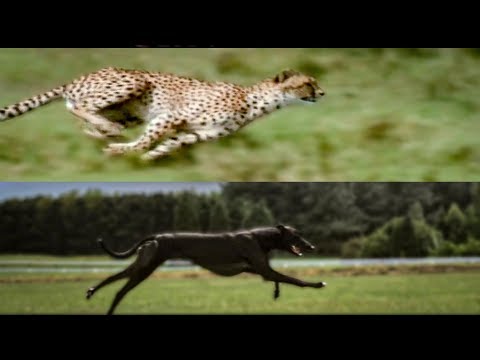
When looking at greyhounds and cheetahs, it’s fascinating to see how each animal excels in speed and agility, though in different ways. Let’s explore their top speeds and unique running styles.
Top Speed and Acceleration
Cheetahs are known as the fastest land animals, reaching speeds of up to 60 miles per hour in short bursts. They can accelerate from 0 to 60 mph in just a few seconds. This quick acceleration helps them catch prey effectively.
In contrast, greyhounds can reach speeds of 40 to 45 miles per hour. Although they may not reach the top speeds of cheetahs, their ability to sustain high speeds for longer stretches gives them an edge in races.
Agility and Running Style
Cheetahs are incredibly agile, thanks to their lightweight bodies and flexible spines. Their running style involves a series of long strides, allowing them to cover ground quickly while making sharp turns.
Greyhounds have a different running style focused on racing. They excel in short bursts of speed but can maintain their speed over longer distances. Their body structure is also built for speed, with long legs and a streamlined body that enhances their racing abilities.
Both animals showcase unique strengths suited for their environments and lifestyles.
Physiological Differences

When comparing greyhounds and cheetahs, their physiological traits play a crucial role in their speed capabilities. Key aspects include their muscle and bone structure, lung capacity and endurance, and stride frequency and biomechanics.
Muscle and Bone Structure
Greyhounds have a lean and lightweight frame, which helps them achieve high speeds. Their long legs and slim muscles are designed for quick bursts of acceleration, perfect for racing. Weighing between 60 to 70 pounds, they are built for speed over short distances.
Cheetahs, on the other hand, have powerful, flexible muscles that allow for explosive speed. They weigh between 75 to 140 pounds, but their muscle structure is specialized for sprinting. Their bones are lightweight but durable, making them efficient for rapid movement.
Lung Capacity and Endurance
Greyhounds have high lung capacity, which supports their speed during races. They can sprint quickly, but their endurance over longer distances is limited. This means they excel in short races but tire more easily after extended runs.
Cheetahs possess an exceptional lung capacity, allowing them to intake more oxygen during high-speed chases. This feature aids their ability to sprint at maximum speed for up to 20-30 seconds. Their athleticism is showcased in quick, powerful bursts rather than prolonged runs.
Stride Frequency and Biomechanics
Stride frequency is another key difference between the two. Greyhounds have a long, steady stride that allows them to cover ground quickly. Their biomechanics favor speed over agility, making them less capable of sharp turns.
Cheetahs have a unique running style, featuring a double-suspension gait. This allows them to increase their stride frequency significantly. Their exceptional flexibility and biomechanics enable quick changes in direction during high-speed chases, a critical advantage in the wild.
Roles in the Wild and in Human Society
Greyhounds and cheetahs have unique roles both in the wild and within human society. While cheetahs excel as predators in their natural habitats, greyhounds have been shaped for companionship and sport. Both animals showcase speed, each in its own environment.
Hunting and Wildlife Impact
Cheetahs are among the fastest animals in the wild, capable of reaching speeds up to 75 miles per hour. They are specialized hunters, relying on their incredible sprinting ability to catch prey like gazelles. This skill plays a vital role in maintaining the balance of their ecosystems by controlling animal populations.
While greyhounds, or hunting dogs, are not wild predators, they share a historical connection to hunting. These dogs were bred for their speed and endurance. Though they no longer hunt in the wild, their past as hunting companions highlights their speed and helps you appreciate the difference in roles between them and cheetahs.
Racing and Coursing
Greyhounds are celebrated as racing dogs in modern society. They participate in events where they chase a lure, showcasing their remarkable speed. Racing has become a popular sport that involves significant spectator engagement.
Lure coursing is another activity that highlights greyhounds’ natural instincts. In this sport, they chase a mechanical lure across a field, simulating the experience of hunting. This allows you to see their agility and speed in a safe and controlled environment.
The role of greyhounds in racing and coursing emphasizes their capabilities while providing entertainment for dog lovers and fans alike.


