
When you think about the relationship between foxes and dogs, it’s easy to wonder if these two canines can get along. Foxes are wild animals with their own instincts, while dogs have been domesticated for thousands of years. This difference often leads to questions about their behavior toward each other.

Foxes are generally not friendly toward dogs and tend to avoid them. While foxes might not see dogs as immediate threats, they instinctively keep their distance. In rare situations, a fox may feel cornered or threatened by a dog, especially a smaller breed, which can lead to defensive behavior.
Understanding how foxes and dogs interact can help you make better choices for your pet’s safety. If you live in an area where foxes are present, it’s good to keep an eye on your dog during outdoor playtime. By knowing more about these fascinating creatures, you can ensure a safer environment for your furry friends.
Comparing Fox and Dog Behavior
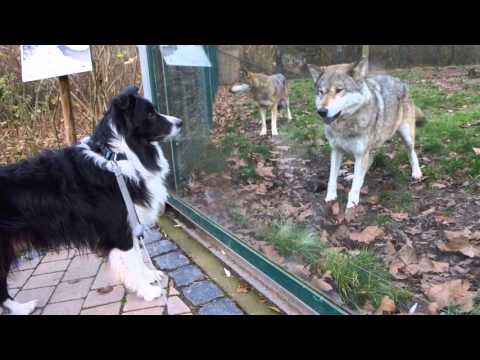
When considering how foxes and dogs interact, it’s essential to look at their communication styles, instincts, and behaviors in domestic settings. Understanding these aspects can help you navigate potential relationships between them.
Canine Communication and Social Behavior
Dogs are social animals that thrive on interaction. They communicate using barks, growls, and body language. Your dog likely enjoys playing and forming bonds with other dogs or people.
Foxes belong to the same family as dogs (Canidae) but are less sociable. Their communication includes a range of vocalizations like barks, screams, and howls, but they are more solitary. When meeting a dog, a fox might display cautious behaviors, like keeping its distance or using defensive postures.
Natural Instincts of Foxes vs. Dogs
Foxes are wild animals, which means they have instincts that differ significantly from your pet dog. A fox’s natural behaviors often include hunting and foraging for food. This instinct can lead them to view smaller pets as prey.
Domestic dogs, on the other hand, have been bred over generations to interact with humans and other animals. Many breeds display a friendly demeanor and can be taught to coexist with different pets. This breeding has resulted in varying levels of tameness, allowing some dogs to interact peacefully with foxes.
Foxes in Domestic Settings
While foxes are sometimes kept as pets, they are not as easily trainable or socialized as dogs. Domesticated foxes can display affectionate behaviors, but they may also express aggression if feeling threatened.
You might find that pet foxes show some dog-like traits, such as playfulness or loyalty. Still, their wild origins can lead to unpredictability in behavior. If you decide to keep a fox, be aware of their potential to act on their instincts, which can sometimes lead to aggressive behavior, especially towards small pets.
Health and Safety Considerations

When thinking about the relationship between foxes and dogs, it’s important to look at health and safety. You need to be aware of potential diseases and how to manage interactions between your dog and wild foxes.
Understanding Rabies and Disease Risk
Rabies is a serious disease that can affect both animals and humans. While foxes can carry rabies, the risk of transmission to humans is low. You should stay vigilant, especially if you see a fox acting strangely. Signs of rabies in foxes include unsteady movements, aggression, and excessive drooling.
In addition to rabies, wild foxes may carry other diseases. These can include mange, which affects the skin, and parasites like ticks and fleas. Ensuring your dog is up to date on vaccinations helps reduce the risk of illness. Regular health checks from a veterinarian can also protect your dog from potential diseases.
Managing Fox and Dog Interactions
To keep your dog safe, observe their interactions with wild foxes closely. Always supervise outdoor playtime, especially in areas where foxes are known to roam.
Here are some tips to manage these encounters:
- Secure your yard: Fencing can keep foxes away from your dog.
- Remove food sources: Don’t leave pet food or scraps outside, as this can attract foxes.
- Use repellents: Scents like citrus or vinegar might help deter foxes from your property.
- Train your dog: Teaching commands like “come” and “stay” can help you control your dog when they’re near wildlife.
By taking these precautions, you can enjoy outdoor time with your dog while keeping them safe from potential risks associated with wild foxes.
Breeds and Characteristics

When considering if foxes are friendly to dogs, it helps to look at specific dog breeds that share traits with foxes. Understanding these breeds and the characteristics of different fox species provides a clearer picture of their behaviors and interactions.
Dog Breeds with Fox-Like Appearance
Several dog breeds resemble foxes, making them popular among pet owners. The Shiba Inu is one of the most well-known. They have a curled tail and a fox-like face. This breed is confident and spirited, often exhibiting an independent nature.
The Finnish Spitz also showcases a fox-like look. They have a bushy tail and a friendly personality, making them great companions. Another breed is the Norwegian Lundehund, which has unique features and an endearing demeanor.
Dogs that look like foxes often share similar behavioral traits. Like American Eskimos and Pomeranians, these breeds tend to be playful and alert, creating a lively environment at home.
Fox Species and Their Traits
Different fox species display unique behaviors and characteristics. The red fox is most common in urban areas. They are clever and adaptable, showing curiosity towards other animals, including dogs.
Foxes typically have a lifespan of 2-4 years in the wild but can live longer in captivity. They are primarily solitary but can form bonds in specific conditions. Urban foxes have adjusted well to city life, often scavenging for food.
In contrast to friendly dogs, foxes are generally shy around humans and unfamiliar animals. While they might observe dogs from a distance, direct interactions are less likely. Such differences can contribute to varying behaviors when dogs and foxes encounter each other.
Fox Domestication Research

Fox domestication research offers fascinating insights into how certain traits arise in animals. Studies show that both behavior and physical traits can be shaped through selective breeding. You’ll find that scientists have been working hard to understand these changes in foxes, especially in Siberia.
Siberian Fox Domestication Study
In Siberia, Russian scientists conducted a groundbreaking study at the Institute of Cytology and Genetics. They focused on breeding silver foxes to test ideas of domestication. This decades-long project aimed to create tame foxes and observe how their behavior changed over time.
The scientists found that friendly foxes showed unique traits. For example, these foxes often had softer fur, curled tails, and different ear shapes. These changes mirrored those seen in domesticated dogs. The friendly foxes were often referred to as “baby foxes” because of their playful and curious nature.
Genetic Insights into Tameness
The fox genome has provided vital clues about tameness and behavior. Researchers discovered that specific genes could be linked to friendly traits. For instance, these genes relate to social behaviors similar to those affected by Williams-Beuren syndrome in humans, which influences sociability.
The study also found connections to autism traits. Understanding these genetic links helps explain why some foxes behave in more dog-like ways.
This research opens doors to discovering how domestication affects not just foxes, but also other canines.


