
Cows and buffalo are fascinating animals that play important roles in agriculture and our diets. Both animals belong to the Bovidae family, which includes various ruminant mammals like sheep and goats. This family is known for animals that chew cud and have cloven hooves. Understanding their similarities and differences can help you appreciate these incredible livestock animals even more.

While cows are often associated with dairy production, buffalo are also significant for their milk and meat. Buffalo are generally larger and can thrive in hotter climates, making them essential in many regions around the world.
Knowing how these animals fit into the Bovidae family gives you insight into their importance in farming and food supply.
If you ever wanted to distinguish between cows and buffalo or learn how they are related, you’re in the right place. This article explores their characteristics, uses, and the roles they play in our lives.
Comparing Cows and Buffalo

Cows and buffalo are both part of the bovine family, but they have several key differences. Understanding their taxonomy, physical traits, habitat preferences, and dietary needs helps clarify how these two animals relate.
Taxonomy and Classification
Cows and buffalo belong to the family Bovidae. Within this family, cows are classified as Bos taurus, while buffalo are categorized under the genus Bubalus for water buffaloes and Syncerus for African buffaloes.
Both are part of the subfamily Bovinae, which also includes bison and gaur. They share a common ancestry, tracing back to the Miocene era when bovines began to diversify. This shared history makes them related but distinct species, each adapted to different environments and human uses.
Physical Characteristics and Behavior
When comparing physical traits, buffalo are generally more robust than cows. They can be larger, with strong bodies and long horns that make them quite imposing.
Cows typically have a more docile demeanor and are often bred selectively for milk production or meat. In contrast, buffaloes can be aggressive and are known for their strong protective instincts. Their physical appearance and behaviors influence their roles in agriculture and interactions with humans.
Habitat and Adaptability
Cows and buffalo thrive in different habitats. Cows are versatile and can adapt to various climates, from temperate to tropical regions. This adaptability makes them common in many farming practices worldwide.
Buffalo, especially the water buffalo, prefer warmer climates and are often found in subtropical regions. They are good at coping with heat and moisture, which helps them thrive in specific environments. Understanding their habitat needs is essential for effective farming and conservation efforts.
Diet and Domestication
Both cows and buffalo are classified as herbivores, with a diet that includes grasses and other vegetation. Cows are often fed a mix of grass, grains, and supplements to enhance milk production.
Buffalo are sometimes less selective, thriving on forage in swampy areas. Their milk is richer in fat than cow milk, making it valuable for producing dairy products like cheese and yogurt.
Both animals have been crucial in agriculture, contributing to tasks like plowing fields and providing leather. The domestication of these large mammals has shaped many cultures, particularly in rural areas where tribes rely on them for sustenance and labor.
Uses and Productions
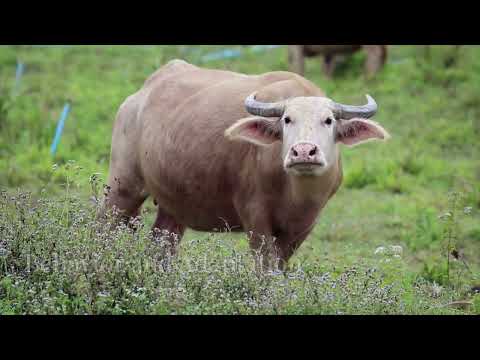
Cows and buffalo play significant roles in agriculture and culture around the world. They provide essential resources such as milk and meat, influence various industries, and hold cultural importance in many societies.
Milk and Meat Production
Both cows and buffalo are crucial for milk and meat production. Cow’s milk is known for its wide range of dairy products, including cheese, yogurt, and butter. Buffalo milk is richer in fat and is often used for specialized products like mozzarella cheese.
Cattle, especially dairy breeds like Holsteins, are key to milk production in many countries. Buffalo meat is also popular in regions where buffalo are raised, providing a valuable protein source. These animals contribute significantly to the economy through meat and milk sales.
Breeds and Industry Impact
There are many breeds of cows and buffalo, each with unique characteristics and uses. For example, you might encounter dairy breeds like Jersey and Holstein, known for their high milk yield. Asian buffalo breeds, such as the water buffalo, are important in rice farming as they are excellent for draft work.
The bovid family includes several genera, like Bos for cattle and Bubalus for buffalo. Each breed affects the livestock industry differently, influencing everything from meat quality to dairy efficiency. These animals are essential for sustainability in agriculture, impacting food security worldwide.
Cultural Significance and Livestock
Cows and buffalo are not just livestock; they are integral to many cultures. In some societies, these animals symbolize wealth and status. For instance, in India, cows are regarded as sacred and play a vital role in local traditions.
The leather from cows is used in various products, including clothing and accessories. Additionally, the social behavior of these animals as herd creatures enhances their bond with humans and contributes to their value in rural livelihoods. Understanding their role helps appreciate their importance in both agriculture and culture.


