
Cocker spaniels are known for their friendly and affectionate nature, making them wonderful companions. Generally, cocker spaniels should not be left alone for more than four to five hours at a time. This is due to their social needs and strong bond with their families. They thrive on interaction and can feel anxious if left alone for too long.
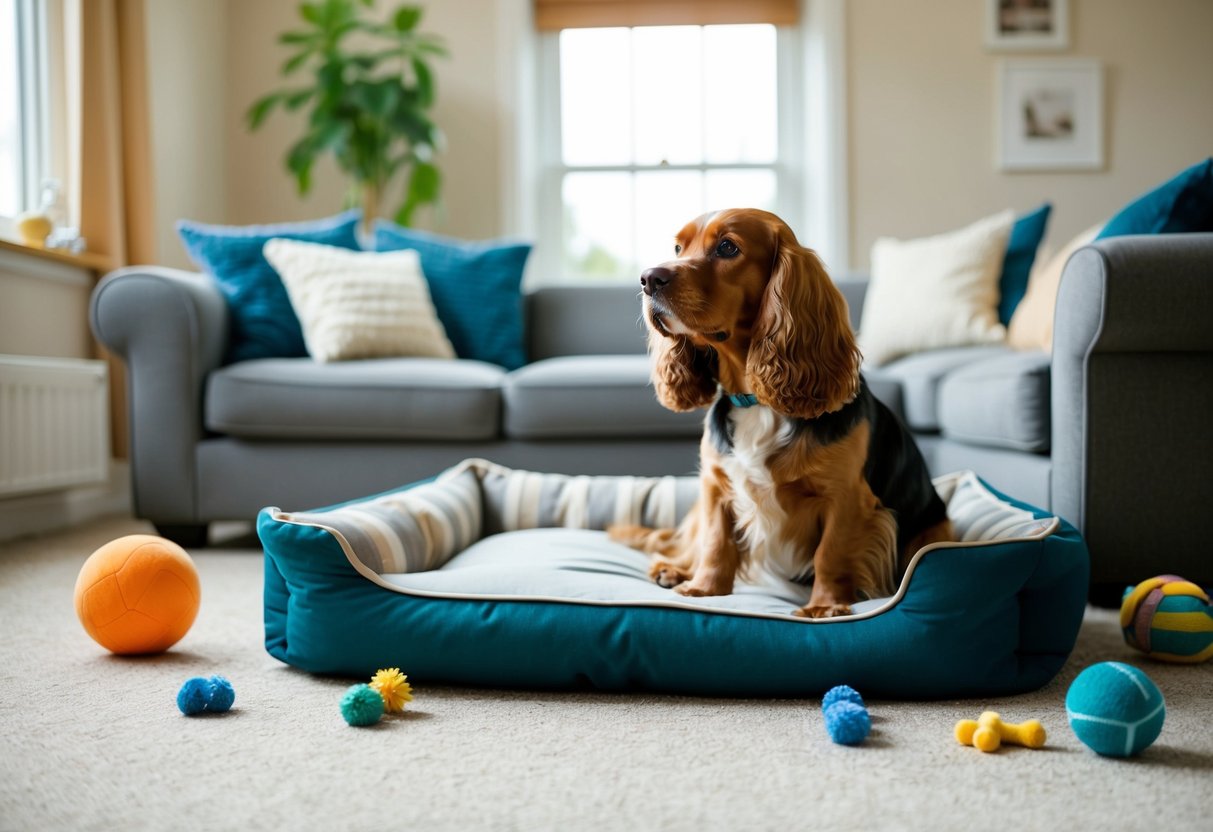
If you’re considering getting a cocker spaniel or already have one, it’s important to understand how to manage their time alone. Younger dogs and puppies, in particular, need more attention and supervision.
With proper training and preparation, you can help your cocker spaniel feel comfortable when you step out.
In this article, you’ll learn more about the specific needs of cocker spaniels and tips to make sure your furry friend stays happy and relaxed, even when you’re not home.
Understanding Cocker Spaniels as a Breed

Cocker Spaniels are known for their friendly nature and loyalty. Understanding their traits and social habits will help you care for them better, especially when it comes to how they manage being left alone.
Inherent Traits of Cocker Spaniels
Cocker Spaniels are charming dogs with a rich background. They typically weigh between 20 to 30 pounds and stand about 14 to 17 inches tall, depending on whether they are American or English Cocker Spaniels.
These dogs are energetic and require plenty of exercise. Daily walks and playtime are essential to keep them healthy and happy. Lack of exercise can lead to boredom, which may cause undesirable behaviors.
Cocker Spaniels also need mental stimulation. Engaging in interactive games or training sessions can help keep their minds sharp. Incorporating toys that challenge them can be very beneficial.
Cocker Spaniels as Social Animals
Cocker Spaniels are inherently social dogs. They thrive on companionship and enjoy being around people and other pets. This breed is known for forming strong bonds with their owners.
Leaving your Cocker Spaniel alone for long periods can lead to issues like separation anxiety. They may bark excessively or chew on furniture when feeling lonely.
Since they were originally hunting dogs, they enjoy group activities and teamwork. Therefore, combining physical activity with social interaction is key to their happiness. Always consider their need for affection and connection when planning your day.
Cocker Spaniel Behavior When Left Alone

When left alone, Cocker Spaniels can show various signs of distress or behavior changes. It’s important to recognize these signs early so that you can address any issues, especially separation anxiety and destructive behavior.
Signs of Separation Anxiety
Cocker Spaniels are known to develop separation anxiety when left alone for extended periods. You might notice several signs. These can include:
- Restlessness: Your dog may pace or seem unable to settle down.
- Barking or Whining: Loud noises can signal distress. Frequent barking can indicate that your dog is feeling lonely.
- Inappropriate Elimination: If your Cocker starts urinating or defecating indoors, it may be a sign of anxiety.
- Destructive Behavior: Chewing furniture or other items often stems from anxiety or boredom.
These behaviors not only indicate that your dog is struggling but can also lead to larger issues if not addressed.
Dealing With Destructive Behavior
To manage destructive behavior in your Cocker Spaniel, focus on prevention and training. Here are some tips:
- Provide Toys: Chew toys can keep your dog busy and distract them from chewing on furniture.
- Gradual Alone Time: Slowly increase the time your Cocker spends alone to help them get used to it. Start with short periods and gradually extend them.
- Establish a Safe Space: Create a comfortable area for your dog with familiar blankets and toys. This can help them feel secure while you’re away.
- Training and Socialization: Invest time in training to help your dog cope better when alone. It can also help reduce anxiety.
With patience and these techniques, you can help your Cocker Spaniel feel more secure when left alone.
Effective Training Strategies

Training your Cocker Spaniel effectively can help them feel more comfortable when left alone. This section highlights methods to create a safe environment and keep them engaged, reducing anxiety and preventing destructive behavior.
Crate Training and Alone Time
Crate training is a great approach for helping your Cocker Spaniel learn to enjoy time alone. Start by introducing the crate as a safe and cozy space where they can relax. Place their favorite blanket or a toy inside to make it inviting.
Begin with short periods. Leave your dog in the crate for just a few minutes at first. Gradually increase this alone time as they become more comfortable. Always praise and reward your dog when they stay calm in the crate.
Mix in brief outings for yourself during training. This helps your dog adjust to your absence without causing anxiety. Remember to avoid using the crate as punishment. It should feel like a comforting place, not a jail.
Toys and Boredom Prevention
Keeping your Cocker Spaniel entertained while alone is vital to preventing boredom and destructive behavior. Interactive toys, like Kongs, can be filled with treats or peanut butter to engage your dog’s mind.
Rotate toys regularly to keep things fresh. You don’t want your dog to lose interest in their toys. Adding puzzle toys that require problem-solving can also stimulate their minds.
Always supervise your dog with new toys to ensure they are safe. Consider leaving background music or a TV on to keep them company while you’re gone. This can help ease anxiety and make alone time feel less lonely.
Supplementary Care Options

If you can’t be home to care for your adult Cocker Spaniel, there are helpful options. These can ensure that your dog gets the attention they need when you are away.
Hiring a Dog Walker or Sitter
Consider hiring a dog walker or a dog sitter. This choice allows your Cocker Spaniel to enjoy regular breaks and companionship.
A dog walker can take your pup for exercise and bathroom breaks. This helps prevent boredom and reduces the chance of separation anxiety.
A dog sitter can provide one-on-one time in your home or theirs, keeping your dog comfortable in familiar surroundings. Look for someone with experience, especially with social animals like Cocker Spaniels. You might want to set up a meet-and-greet to see how they interact with your dog. Using a pet camera can help you monitor how things go while you’re away.
Considering Doggy Daycare Facilities
Another option is to consider doggy daycare facilities. At these places, your Cocker Spaniel can socialize with other dogs and receive supervision. Socialization is important for a Cocker Spaniel since they are natural companions.
When choosing a daycare, visit the facility first. Check for cleanliness and a safe environment. Look for staff who understand dog behavior and can keep an eye on your pup. Doggy daycare can help your Cocker Spaniel burn off energy and make new friends. This makes the time you spend apart less stressful for both of you.


