
If you’re considering adding a Cocker Spaniel to your family, you might be wondering about their trainability. Cocker Spaniels are known to be easy to train due to their loving nature and eagerness to please. This makes them a great choice for both first-time and experienced dog owners.

Training a Cocker Spaniel can be a fun and rewarding experience. With patience, consistency, and positive reinforcement, you can teach your furry friend everything from basic commands to more advanced tricks. You’ll find that Cocker Spaniels respond well to training, especially when started at a young age.
In this article, you’ll discover useful tips and tricks to help you train your Cocker Spaniel effectively. Whether you have a puppy or an adult dog, these guidelines will make the process smoother and more enjoyable for both you and your pet.
Understanding Cocker Spaniels

Cocker Spaniels are known for their friendly nature and playful spirit. To train them effectively, it helps to know their temperament and how intelligent they are. Let’s take a closer look at these characteristics.
Temperament and Behavior
Cocker Spaniels are generally affectionate dogs. They love being around people and often bond closely with their families. Their playful nature makes them great companions for children and other pets.
These dogs can show signs of loyalty and protectiveness, making them good family pets. They enjoy socializing and thrive on attention. It’s important for you to spend quality time with your Cocker Spaniel to keep them happy and healthy.
However, they can be sensitive and may not respond well to harsh training methods. It’s better to use positive reinforcement, like treats and praise, to encourage good behavior.
Intelligence and Trainability
Cocker Spaniels are smart dogs and eager to learn. Their intelligence means they can pick up commands and tricks fairly quickly. This quality makes training a rewarding experience for you both.
Although they can be stubborn at times, patience is key. You might find that they respond best when training sessions are fun and engaging.
Since they are easily motivated by food and affection, using treats during training can be very effective. Regular exercise and mental stimulation are important too. Cocker Spaniels need both to stay happy and focused during training.
Training Essentials for Cocker Spaniels

Training your Cocker Spaniel can be a rewarding experience. By using the right methods, you can strengthen your bond while teaching your dog essential skills. You’ll want to establish a routine, use positive reinforcement, and be aware of common challenges.
Establishing a Training Routine
Creating a consistent training routine is key to success. Set aside a specific time each day to work with your Cocker Spaniel. This makes training a regular part of their day.
Short training sessions work best. Aim for 5 to 10 minutes to keep your dog engaged. If your dog seems bored or distracted, take a break and try again later.
Choose a quiet training environment to minimize distractions. This allows your Cocker Spaniel to focus better. Use a calm and encouraging tone of voice. Your tone can motivate your dog and make training enjoyable.
Positive Reinforcement Techniques
Cocker Spaniels respond well to positive reinforcement. This means rewarding your dog for good behavior. Treats, praise, or playtime can be effective motivators.
Use basic commands like “sit,” “stay,” and “come” to start. When your dog follows a command, immediately reward them. This helps them associate the action with a positive outcome.
Remember to be patient. Not every dog learns at the same speed. Celebrate small victories to keep your Cocker Spaniel motivated.
Common Training Challenges
Training can come with challenges. Cocker Spaniels are social and sometimes easily distracted. You might find that they struggle to concentrate, especially in new environments.
Another common issue is separation anxiety. If your dog becomes anxious when left alone, it can affect training. Gradually get them used to being alone for short periods.
If you face persistent challenges, consider working with a professional trainer. They can provide personalized tips and strategies. Consistency is essential, so keep practicing and stay positive.
Specialized Training Areas
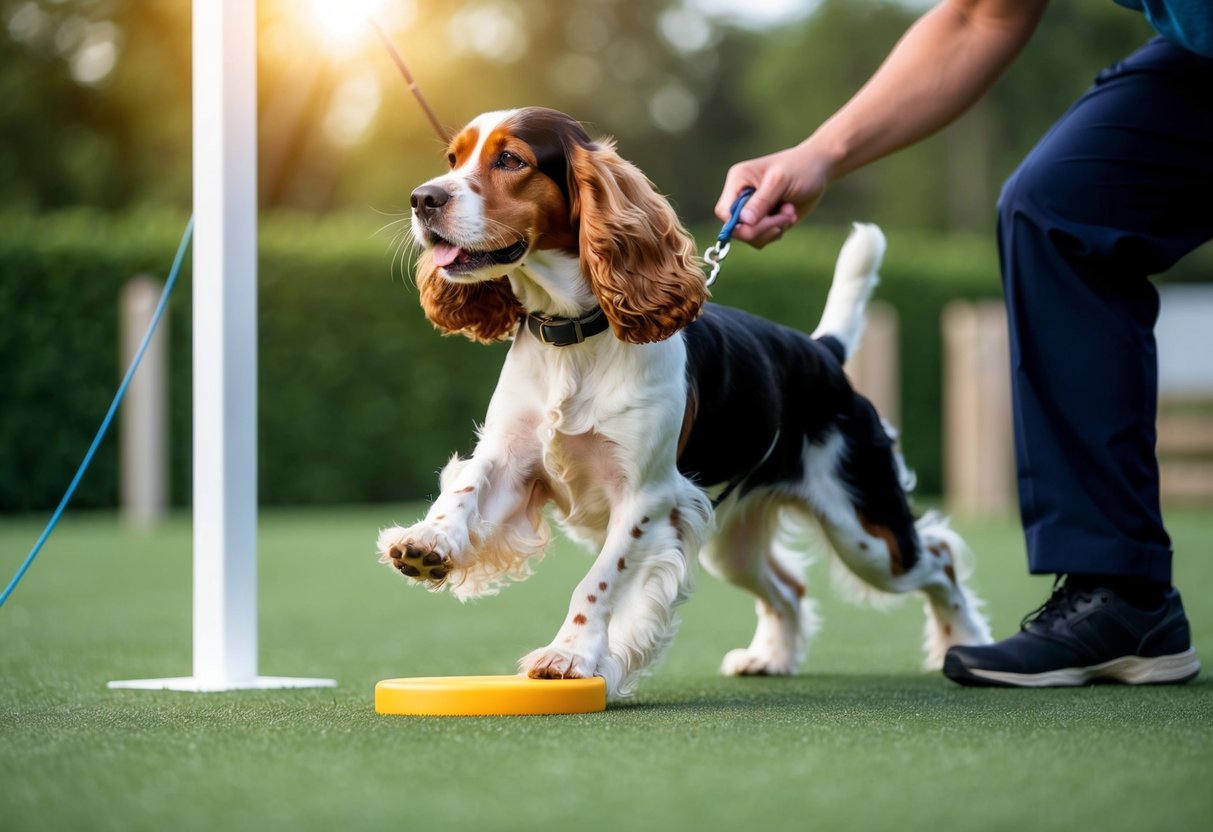
Training your Cocker Spaniel involves various specialized areas that can help them develop good behavior and skills. Focusing on socialization, obedience, and advanced training methods can make a huge difference in their overall training experience.
Socialization and Obedience
Socialization is crucial for your Cocker Spaniel’s development. Start exposing them to different people, environments, and pets early on. This helps them become well-adjusted adults. Social interactions can prevent fearfulness and aggression in new situations.
Obedience training is equally important. Teach basic commands like “sit,” “stay,” and “come.” Use positive reinforcement, such as treats and praise, to encourage desired behavior. Regular practice helps reinforce these commands, making your dog more reliable in various situations.
Crate and Potty Training
Crate training offers a safe space for your Cocker Spaniel and helps with house training. Ensure the crate is comfortable, and never use it as a punishment.
Gradually acclimate your dog to the crate by leaving them in short periods and rewarding them for calm behavior.
Potty training should start immediately. Take your dog outside frequently, especially after meals and playtime. Praise them when they go in the right spot.
Consistency and patience are key to successful toilet training. Keep a schedule to help them learn when to expect bathroom breaks.
Advanced Training: Leash and Agility
Leash training turns walks into pleasant experiences. Start with a loose leash to prevent pulling. Use treats to encourage walking beside you. If your Cocker Spaniel pulls, stop walking until they return to your side. This will teach them that good behavior leads to fun outings.
Agility training can be a great way to bond with your dog. Introduce them to equipment like tunnels and jumps gradually. Make it fun and rewarding, using treats and encouragement. This not only boosts their physical fitness but also helps improve their focus and confidence.
Addressing Behavioral Issues

Cocker Spaniels can develop a few behavioral issues that may require your attention. By focusing on managing their emotions and addressing specific habits, you can help your dog feel more balanced and happy.
Managing Separation Anxiety
Cocker Spaniels are known for forming strong bonds with their owners. This can lead to separation anxiety when left alone. Signs include barking, chewing, or excessive drooling.
To help your dog cope, start with short departures and gradually increase your time away. Make your departures and arrivals low-key to avoid heightening anxiety.
You can also create a comforting space with toys and familiar items. Consider using a calming collar or pheromone diffuser, which may help ease their stress.
Consistent routines for feeding and walks can provide structure that makes alone time easier for your Cocker Spaniel.
Curbing Excessive Barking
Cocker Spaniels may bark more than you’d like, often due to boredom or anxiety. Addressing excessive barking starts with understanding its cause.
Provide daily exercise to channel their energy. Long walks and playtime can make a big difference.
When they bark, avoid yelling, as this can worsen the behavior. Instead, remain calm and redirect their focus. Reward them when they are quiet to reinforce the desired behavior.
You’ll want to consider training methods using positive reinforcement to encourage calmness. Ensure they have engaging toys to keep them occupied when you’re away.
Bite Inhibition and Grooming Habits
Teaching bite inhibition is crucial for your Cocker Spaniel’s interactions. Puppies learn to control their bite during play with littermates. If they bite you, respond with a yelp or calmly say “ouch.” This lets them know it hurts and helps them learn to be gentler.
Regular grooming is another important aspect of your Cocker Spaniel’s care. Introduce grooming slowly, using a gentle brush. Allow your dog to get used to being handled, especially around sensitive areas like ears and paws.
Reward your pup with treats during grooming sessions to create a positive experience. Establish a routine, so they become accustomed to being groomed regularly. This can reduce anxiety around the process and help maintain their beautiful coat.


