
If you’re considering adding a chinchilla to your family, you might wonder about their care needs. Chinchillas are relatively low-maintenance pets compared to many other animals. They don’t require daily walks like dogs and are generally clean and quiet, making them suitable for various living situations.
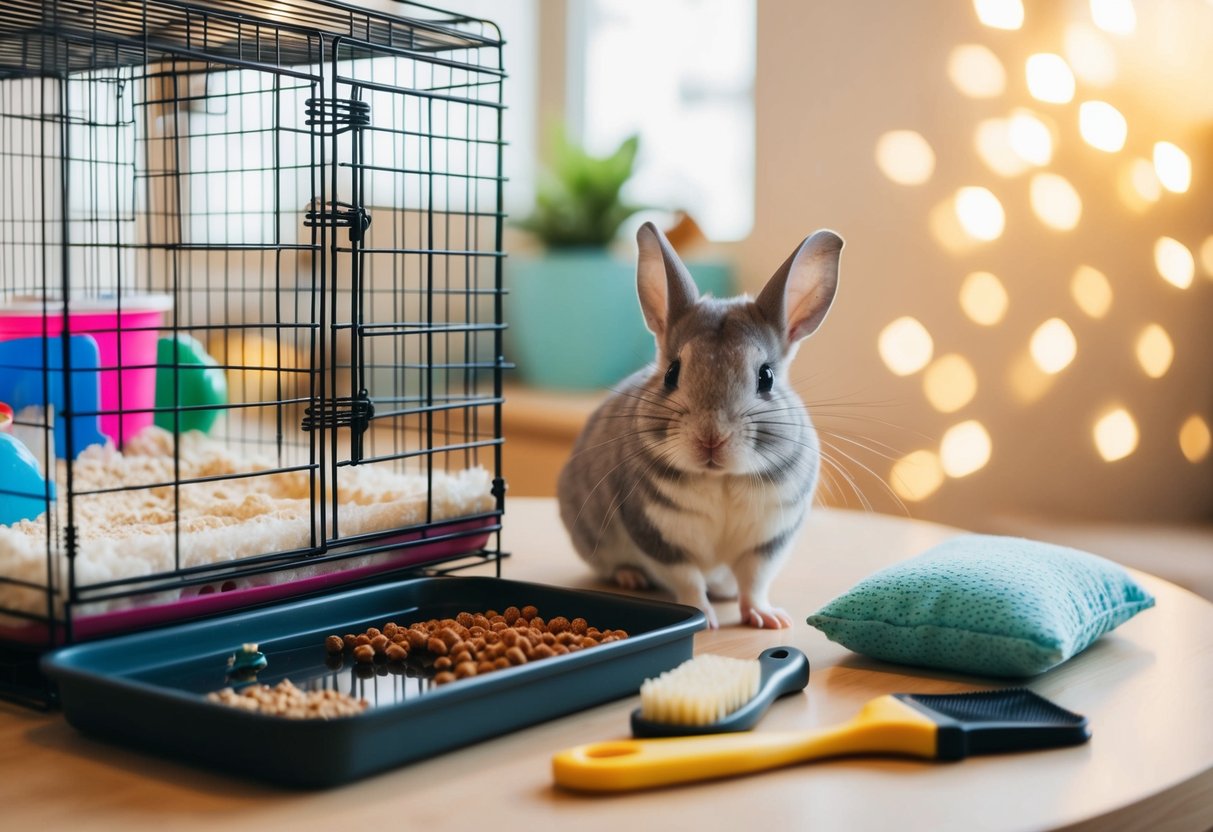
While they thrive with daily interaction, just an hour of attention is often enough to keep them happy. Maintaining a proper habitat and a healthy diet is essential, but overall, you’ll find that chinchillas are easy to care for once you set up their environment.
As you learn more about chinchilla care, you might discover that with the right preparation, these charming pets can fit nicely into your lifestyle without the overwhelming demands that some other pets present.
Understanding Chinchilla Care
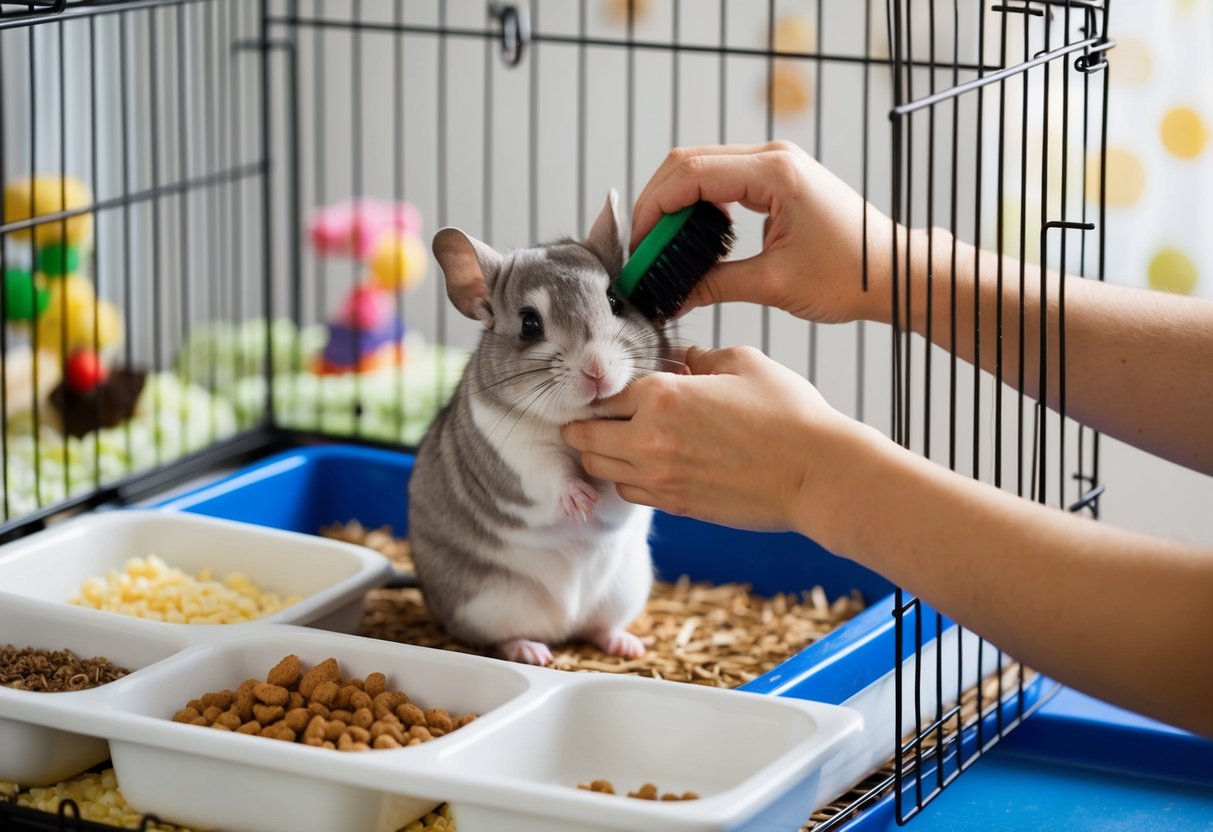
Caring for a chinchilla involves several important aspects that help ensure their well-being. Paying attention to their diet, habitat, grooming needs, and social interaction creates a happy environment for your pet.
Chinchilla Diet Essentials
Your chinchilla’s diet is crucial for its health. The main components of their diet include high-quality chinchilla pellets and fresh timothy hay. Aim to provide hay daily, as it aids digestion and keeps their teeth healthy.
Additionally, give fresh water at all times. You should avoid fruits and vegetables, as these can upset their digestive system. Chew toys are also a good addition, helping to keep their teeth trimmed and healthy.
A balanced diet will keep your chinchilla active and happy.
Habitat Requirements
Creating a suitable habitat for your chinchilla is vital. The cage should be spacious, with plenty of ventilation. A multi-level cage provides opportunities for climbing and exploring.
Make sure to include chew toys and tunnels for enrichment. The ideal temperature for chinchillas is between 60°F and 70°F, as they can overheat easily. Adding a hiding spot allows them to feel safe.
Place their cage in a quiet area to reduce stress and provide a comfortable space for your pet to thrive.
Grooming and Dust Baths
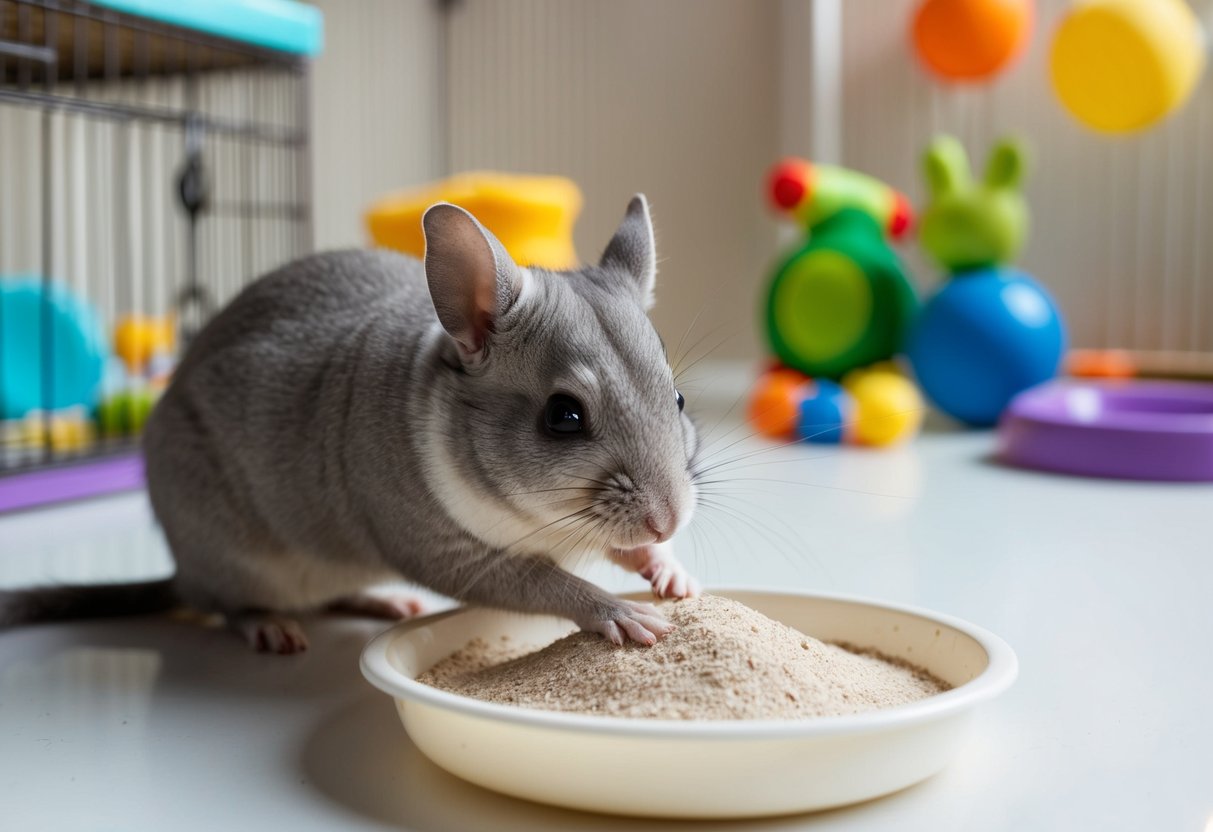
Regular grooming helps maintain your chinchilla’s fur quality. Unlike other pets, chinchillas do not need wet baths. Instead, they require dust baths to keep their coat clean and healthy.
You should provide a dust bath two to three times a week using special chinchilla dust. This dust absorbs oils and moisture, keeping their fur fluffy and pristine.
Additionally, check their nails regularly and trim them as needed to prevent discomfort. Grooming is also a great way to bond with your pet.
Socialization and Interaction
Chinchillas are social animals that thrive on interaction. Spending time with your chinchilla is key to their happiness. They enjoy being handled gently, so start acclimating them to your touch from a young age.
Consider having more than one chinchilla for companionship, as they naturally live in groups. Playtime outside of their cage, under supervision, can strengthen the bond you share.
Offering treats during interactions can help create positive experiences and reinforce trust. Engaging with your chinchilla regularly keeps them mentally stimulated and content.
The Pros and Cons of a Pet Chinchilla

When considering a pet chinchilla, it’s important to weigh the positives and negatives. They might seem low-maintenance, but they do have specific needs. Understanding these factors can help you decide if a chinchilla is the right fit for you.
Long-Term Commitment
Chinchillas are known for their impressive lifespan, often living between 10 to 20 years. This means that bringing one into your home is a long-term commitment. You’ll need to think about how your lifestyle fits this time frame.
Owning a chinchilla means being responsible for their care throughout their life. Consider your future plans and whether you will be able to provide a stable environment for them. This commitment can be very rewarding but requires serious thought.
Minimal Shedding and Allergies
One of the appealing aspects of chinchillas is their minimal shedding. Unlike many other pets, chinchillas do not shed fur all the time. This can be great for people with allergies or those who prefer a cleaner home.
They primarily take dust baths, which helps keep their fur in top condition without the need for regular grooming. This low-shedding characteristic can make them suitable for families sensitive to pet hair, allowing for a happier living environment.
Care Requirements and Time Investment
While chinchillas are considered low-maintenance pets, they still require specific care routines. You need to provide them with a proper diet, consisting mainly of hay and pellets.
Additionally, their cage must be kept clean, which includes regular changes of bedding and access to fresh water. Spending time handling and interacting with your chinchilla is also important for bonding and socializing. While they may not need daily walks like some pets, they require attention and care to thrive.
Taking care of a chinchilla takes time but can lead to a strong bond and a loving pet.
Health and Wellness for Your Chinchilla
Keeping your chinchilla healthy requires attention to common health issues, regular veterinary care, and an understanding of their sensitivity to temperature. These factors are crucial for ensuring your furry friend leads a long and happy life.
Common Health Issues
Chinchillas can face various health issues. Some of the most common include:
- Dental Disease: Their teeth continuously grow. Overgrowth can lead to painful conditions.
- GI Stasis: This occurs when your chinchilla’s digestive system slows down, leading to serious complications.
- Respiratory Infections: Chinchillas are prone to these, especially in cold, damp environments.
- Obesity: Overfeeding or lack of exercise can cause weight issues.
Monitoring your chinchilla’s behavior and appetite is key. Early signs like a lack of energy or changes in eating habits may indicate health problems.
Veterinary Care and Regular Checkups
Regular veterinary care is essential for your chinchilla. Aim for a checkup at least once a year. Your vet will examine your chinchilla for any signs of illness and check their dental health.
Diet plays a significant role in maintaining health. Feed your chinchilla a measured amount of hay and pellets each day. Fresh produce should be offered in moderation to avoid digestive issues.
Keeping an eye on your pet’s weight and behavior can help catch health problems early. When you notice changes, visit the vet promptly to address potential issues.
Temperature Sensitivity
Chinchillas are highly sensitive to temperature changes. They thrive in cool environments, ideally between 60°F and 70°F (15°C to 21°C).
Exposing them to high temperatures or humidity can lead to heat stroke. Make sure your chinchilla has ample ventilation and shade during hot weather.
Use fans or air conditioning if needed, but ensure your pet isn’t directly in the airflow. Regularly check their environment to maintain a comfortable temperature for their well-being.


