
Ever wondered if chimps are actually more aggressive than gorillas? The answer might not be what you expect.
Chimps usually act more aggressively than gorillas. They often use violence to solve problems or compete with others in their group. Gorillas, though, mostly try to avoid fighting and use their size and displays of strength to keep the peace.

You’ll spot this difference if you look at how they live in the wild. Chimps have busy social lives with lots of competition, which stirs up more conflict.
Gorillas stick close to their families, usually following a silverback leader. That setup keeps things calmer and not so violent most of the time.
Trying to figure out why these two great apes act so differently? It’s actually pretty interesting once you dig in.
If you want to know more about their size, social habits, and what really makes chimps tick, keep going.
Aggression in Chimps Versus Gorillas
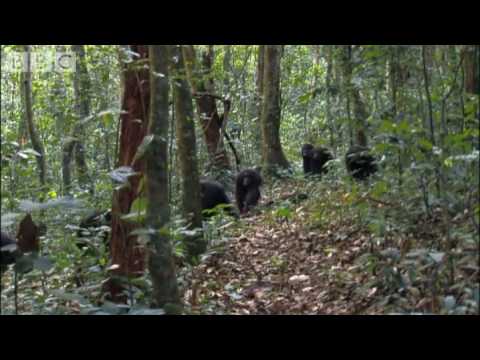
Chimps and gorillas don’t show aggression in the same way. Chimps act out with violence and even use tools, while gorillas mostly rely on their size and calm displays.
Their social groups shape how they deal with conflict, too.
Frequency and Types of Aggressive Behavior
Chimps just tend to be more aggressive. You’ll notice them fighting a lot—over food, mates, or who’s in charge.
They bite, hit, and sometimes even throw sticks or rocks as weapons. These fights break out often because their groups change and compete all the time.
Gorillas, especially the big silverbacks, usually avoid physical fights. If they get aggressive, it’s almost always to protect their family.
They beat their chests or make loud noises to warn others, not to actually attack. This keeps things pretty peaceful in places like Loango National Park, where tight-knit gorilla families live.
Social Hierarchies and Conflict Resolution
Chimp groups run on a strict social ladder. You’ll see alliances, rivalries, and lots of drama as chimps try to move up.
Fighting helps them settle scores and grab a better spot in the group. Their social world is complicated and, honestly, a bit tense.
Gorilla groups keep things simpler. One dominant silverback leads, and that cuts down on fighting.
The leader keeps order mostly by intimidating others, not by fighting. If someone challenges him, he usually scares them off with a show instead of a brawl.
This system keeps gorilla families steadier and way less tense than chimp groups.
Tool Use and Intelligence in Aggression
Chimps get creative with tools. You might see them using sticks to fish for ants or stones to crack nuts—and sometimes as weapons when things get heated.
Their cleverness really gives them an edge when they get into conflicts.
Gorillas are smart too, but using tools isn’t really their thing. They mostly stick to body language and sounds to sort out problems.
Their sheer strength usually keeps trouble away, so they don’t need tools to get their point across. It’s kind of fascinating how each species uses its brains and brawn so differently when things get tense.
If you’re curious for more details, check out the behavior breakdown at knowanimals.com.
Factors Shaping Behavior and Aggression

Chimps and gorillas act differently because of their bodies, their homes, and even how people affect them.
Looking at these factors helps explain why chimps act out more than gorillas do.
Physical Differences and Strength
Gorillas are just a lot bigger and stronger than chimps. An adult male mountain gorilla can weigh up to 400 pounds.
Male chimps? They usually hit around 150 pounds. That size gap means gorillas don’t need to get aggressive to defend themselves—most threats just stay away.
Chimps are smaller, but they’re quick and agile. Their lives involve more rivalries and fights, especially over mates and status.
Since chimps live in bigger groups with more males, there’s more competition. That stirs up more aggression, plain and simple.
Natural Habitats and Geographic Range
Mountain gorillas stick to the Virunga Mountains, which are cool, forested, and packed with thick plants.
These forests give gorillas plenty of food and places to hide, so their groups can stay chill and avoid drama.
Chimps range far and wide, living in tropical forests and savannas all across Africa. Their bigger range means they deal with all kinds of challenges.
They defend spots with fruit trees and water, so when groups run into each other at the edges, things can get heated.
Because chimps live in more open, crowded places, you’ll see more fighting as they compete for resources. Makes sense, right?
Conservation Challenges and Human Impact
Mountain gorillas and chimps both deal with habitat loss. Deforestation and farming keep shrinking the spaces where they can live and find food.
Poachers target both species. Gorillas, with their smaller numbers, end up even more at risk.
People change the landscape and push these animals into tighter spots. You can imagine the stress this causes. Chimps sometimes get more aggressive when crowded, though.
Researchers point out that most chimp violence comes from their own social lives. It’s not just about humans bothering them.
Protected parks, like those in the Virunga Mountains, actually help gorillas by keeping their habitats safer. That’s a hopeful sign for conservation.
Want to dig deeper? Check out more about chimpanzee aggression and social behavior and how they react to humans.


