
If you’re curious about whether chimpanzees are friendly, well, it’s honestly not a straightforward answer. Chimps can act friendly, especially if they feel safe and trust you, but their mood can flip pretty fast depending on what’s going on.
They’re wild animals with big emotions, so it’s always smart to give them some space.

You might spot chimps playing, grooming, or even sharing a little kindness, especially in sanctuaries where they’re used to seeing humans.
But out in the wild, they usually act more cautious or even defensive. If you pay attention to their mood and body language, you’ll have a better shot at guessing how they’ll react around you.
Trying to figure out why chimpanzees do what they do helps you appreciate just how complex their social lives are.
If you want to know more about the ways they show friendliness—and when you should really keep your distance—stick around and see what you might face when you meet these fascinating animals.
Are Chimpanzees Friendly to Humans?
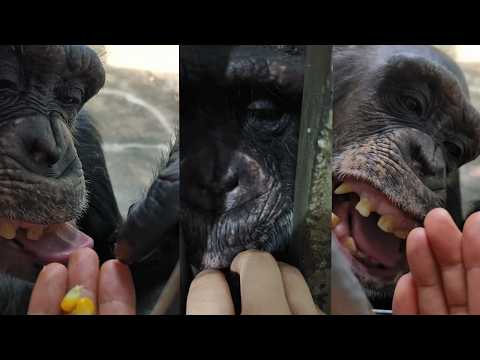
Chimps can be friendly, but honestly, it depends a lot on where they live and how they’re feeling. Sometimes their mood changes in a flash, and whether they act gentle or aggressive depends on things like trust, safety, and whatever they’ve experienced before.
Wild Chimpanzees and Human Encounters
Wild chimpanzees usually keep away from humans. They want to protect their homes, so they act cautious.
If you move suddenly or make a lot of noise, you might scare them. That can make them act defensive or even aggressive.
Wild chimps tend to avoid people, but if they feel their territory is at risk, they’ll stand their ground.
You might notice wild chimps acting curious but also stressed when people are around. Their main instinct is to stay alert and look out for their group.
Chimpanzees in Captivity: Human Bonds and Limits
In sanctuaries or research centers, chimps often get used to being around people. If they trust you, they might groom you or give gentle touches.
Sometimes young chimps play or make faces that almost seem like smiles.
But even in calm settings, don’t forget—they’re still wild at heart. How friendly they act depends on how well they know you and how safe they feel.
If you want to keep things positive, respecting their space goes a long way.
Factors Influencing Aggression
Chimps might get aggressive if they feel scared, stressed, or trapped. Fear and frustration often lead to attacks.
Territorial instincts matter too—wild chimps go all out to protect their space.
Your own actions matter more than you might think. Loud noises, sudden moves, or trying to touch a chimp without warning can make them upset.
Even if a chimp seems friendly, remember they’re strong and unpredictable. Always be careful.
Safety Guidelines for Human Interaction
If you ever meet chimpanzees, try to stay calm and show respect. Move slowly, keep your voice down, and don’t get too close unless someone who knows chimps tells you it’s okay.
Don’t go near chimps alone or without an expert.
Here are a few tips:
- Move quietly and take your time
- Keep your hands to yourself
- Listen to guides or caretakers
- Watch for signs that a chimp is uncomfortable or stressed
These rules help keep things safe and make the experience better for both you and the chimps.
If you want to dive deeper, check out chimpanzee friendly behavior explanations.
Chimpanzee Social Nature and Friendly Behaviors

Chimps have a bunch of ways to connect with each other. They play, groom, and copy friendly moves to build strong bonds.
Watching these behaviors gives you a peek into how they stick together and look out for their group.
Playful Behavior and Group Dynamics
Play is huge for chimps. They wrestle, chase, or just goof around with mock fights.
Play helps them become friends and figure out social rules. Chimps usually only play when they feel safe and relaxed.
Living in groups gives chimps lots of friends and allies. They share food, hang out, and watch each other’s backs.
As chimps get older, they stick with a smaller circle of close friends. That’s not so different from how people’s friendships work, right?
Contagious Social Behaviors
Chimps love to copy each other. If one starts grooming or playing, the others often join in.
This kind of contagious friendliness makes group life smoother.
Hang around a group for a while and you’ll probably see a relaxed, happy mood spread fast.
These shared behaviors help chimps feel connected. It’s a bit like how laughter or yawning can catch on with people.
If you pay attention, you’ll spot just how much cooperation and kindness matter in chimp society.
Role of Grooming in Social Bonds
Grooming really matters to chimpanzees. When you spot chimps picking through each other’s fur, they’re not just cleaning—it’s all about bonding and showing trust.
This behavior goes way beyond hygiene. It keeps the group calm and acts almost like a social handshake, if you can imagine that.
Sometimes, chimps at sanctuaries will gently groom people too. If they do, that’s a pretty clear sign they feel safe and friendly around you.
Grooming stands out as one of the most obvious ways chimps show they care.
If you’re curious about how chimpanzees build bonds and act friendly, check out Chimpanzee Social Behaviors and Human Interactions.


