
Cheetahs might seem very different from house cats at first glance, but there’s more to the story than meets the eye. Cheetahs are actually more closely related to domestic cats than they are to big cats like lions and tigers. This may surprise you, as cheetahs are known for their speed and size, while house cats are often seen as cute and cuddly pets.

Both cheetahs and house cats belong to the family Felidae, which makes them part of the larger feline family. This connection shows that despite their differences in habitat and behavior, there are surprising similarities in their genetics and ancestry.
You’ll find yourself intrigued by the fascinating traits they share, including purring and playful behavior.
As you dive into this article, you will discover how these two types of cats are linked and what this means for our understanding of felines as a whole. By exploring their relationship, you can appreciate the complexity and diversity of the cat family, and you might even see your own pet in a new light.
The Biological Connection Between Cheetahs and House Cats

You might be surprised to learn that cheetahs and house cats share some fascinating biological links. Both are members of the Felidae family but belong to different genera. Let’s explore these connections in detail.
An Overview of the Family Felidae
The Felidae family is made up of all cats, big and small. This family is divided into two main subfamilies: Felinae and Pantherinae.
- Felinae includes smaller cats like house cats, pumas, and servals.
- Pantherinae includes the “big cats,” such as lions, tigers, and leopards.
Cheetahs actually belong to a different genus called Acinonyx. Although larger than typical house cats, cheetahs are classified as small cats due to their unique features and behaviors. Their differences from the traditional big cats help clarify their specific place within the family.
Genetic Lineage of Cheetahs and Domestic Cats
Cheetahs and domestic cats share a common ancestor. This ancestor existed millions of years ago, leading to their evolutionary paths.
Cheetahs are more closely related to smaller cats that purr than to lions or leopards.
- Genus Acinonyx: Cheetahs have their own genus, separate from other big cats.
- Subfamily Felinae: Both cheetahs and domestic cats fall under this subfamily.
While cheetahs possess unique traits, like their speed and ability to make a purring sound, they still share crucial genetic markers with your house cat. This genetic connection highlights their fascinating biological ties.
Characteristics and Behaviors of Cheetahs and House Cats
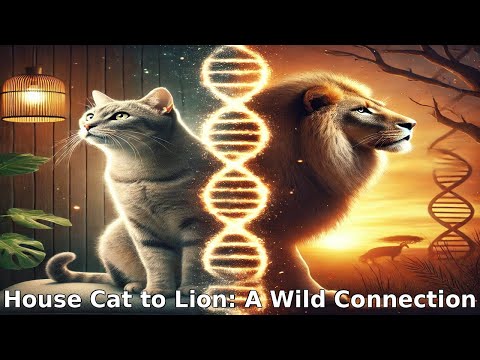
Cheetahs and house cats share some interesting traits, yet they are quite different in how they behave and interact with their surroundings. You’ll find unique physical features and hunting styles alongside distinct social behaviors and ways of communication.
Physical Traits and Hunting Techniques
Cheetahs are built for speed. Their long legs and lightweight bodies allow them to run up to 60 miles per hour over short distances. They have distinctive black spots on their goldish fur, which help with camouflage while hunting.
In contrast, house cats are smaller and more versatile in shape. Their retractable claws make them excellent climbers and hunters of smaller prey.
While cheetahs rely on their speed to catch animals like gazelles, domestic cats often use stealth and patience. They can pounce on mice or birds with precision.
Both types of cats share certain characteristics. For example, both can purr when content. This sound comes from a unique larynx structure that helps with their vocalization.
Social Behaviors and Communication
Cheetahs are generally solitary animals or live in small groups known as “coalitions.” These groups usually consist of brothers. They communicate through a variety of sounds like chirps and barks. Unlike house cats, they rarely meow.
Domestic cats, on the other hand, are more social and enjoy cuddling with their human companions. They often meow to communicate their needs, such as hunger or affection. House cats also purr when they are happy, but they can also do so when they feel scared or hurt. This behavior helps them bond with you and feel safe.
Understanding these behaviors can deepen your appreciation of both wild and domestic cats.
Conservation Status and Human Interactions

Cheetahs face challenges in the wild due to habitat loss and human activities. Understanding their conservation status is important. Domestic cats, however, have evolved from wild ancestors and share a fascinating history with humans.
The Plight of Wild Cheetah Populations
Cheetah populations are declining in the wild. They are currently classified as “vulnerable” on the IUCN Red List. This means their numbers are decreasing, especially in Africa and parts of Asia.
Key threats include habitat loss and conflicts with humans. As farms expand, cheetahs lose their hunting grounds. Additionally, farmers may see cheetahs as threats to livestock, leading to lethal responses.
Conservation programs focus on protecting habitats and reducing conflicts. These efforts aim to create a safer environment for cheetahs and to educate communities about their importance in ecosystems.
Domestic Cats: From Wild Ancestors to Household Members
Domestic cats, sharing a common ancestor with modern cheetahs, are descendants of wild cats. Taming these cats has changed their role in our lives, and now, they are cherished household pets worldwide.
Domestic cats are different from cheetahs in behavior and lifestyle. While cheetahs are built for speed, house cats excel in climbing and agility. Your cat might show hunting behavior, but it differs from the cheetah’s hunting style.
Understanding this connection helps you appreciate domestic cats’ legacy. It also highlights our responsibility to care for all felines, wild and tame. By focusing on conservation efforts and understanding the relationship between humans and big cats, we can support future generations.


