
When considering whether border collies are likely to bite, it’s important to understand their behavior and background as a breed. Border collies are not naturally aggressive. However, they can bite under certain circumstances, especially if they feel threatened or are poorly socialized. Knowing the signs can help prevent situations that could lead to a bite.

Border collies are intelligent and energetic dogs. They need sufficient mental and physical stimulation to stay happy and healthy. Without this, they may exhibit unwanted behaviors, such as nipping or biting as a form of play or frustration. Understanding their needs is key to reducing the chances of biting.
Training and socialization are crucial for border collies. Positive reinforcement methods and regular interaction with people and other animals can help promote good behavior. You can foster a loving and safe environment for your border collie, helping to ensure they remain the friendly companion you want them to be.
Understanding Border Collie Behavior

Border Collies are known for their unique behavior shaped by their herding instincts and need for social interaction. Understanding these traits can help you manage their actions and prevent unwanted biting.
Herding Instinct and Biting
Border Collies have a strong herding instinct, which can lead to nipping behaviors. This is their natural way of herding, and while it may seem playful, it can become problematic if not managed. When they feel the need to herd, they may nip at heels, other pets, or even people. You can minimize this behavior by providing plenty of exercise and mental stimulation.
Training your Border Collie to channel their energy into positive activities is essential. They excel in obedience training and agility sports. By redirecting their instincts into constructive tasks, you can help prevent issues linked to their herding behavior.
Biting Behavior in Border Collies
Biting behavior in Border Collies often arises from fear or anxiety. If a dog feels threatened or scared, it might nip as a defense mechanism. Understanding your dog’s body language is crucial. Signs of discomfort include a tucked tail, growling, or raised hackles.
Inappropriate biting can also occur from a lack of bite inhibition. Teaching your dog that biting is not acceptable is essential. You can do this by using commands like “Stop” when they nip or by giving time-outs. Creating a safe environment helps them feel secure, minimizing the chances of biting due to stress.
Significance of Early Socialization
Early socialization is vital for Border Collies. Introducing your puppy to different people, animals, and environments helps them develop confidence. A lack of socialization can lead to behavioral issues, including fear-based biting.
Engaging with various scenarios helps your pup learn how to react appropriately. Incorporate positive reinforcement to make these experiences enjoyable. Before socializing, ensure your puppy is up-to-date on vaccinations to protect their health. With proper socialization, your Border Collie will grow into a well-adjusted adult dog, less likely to bite out of fear or anxiety.
Training and Management Strategies
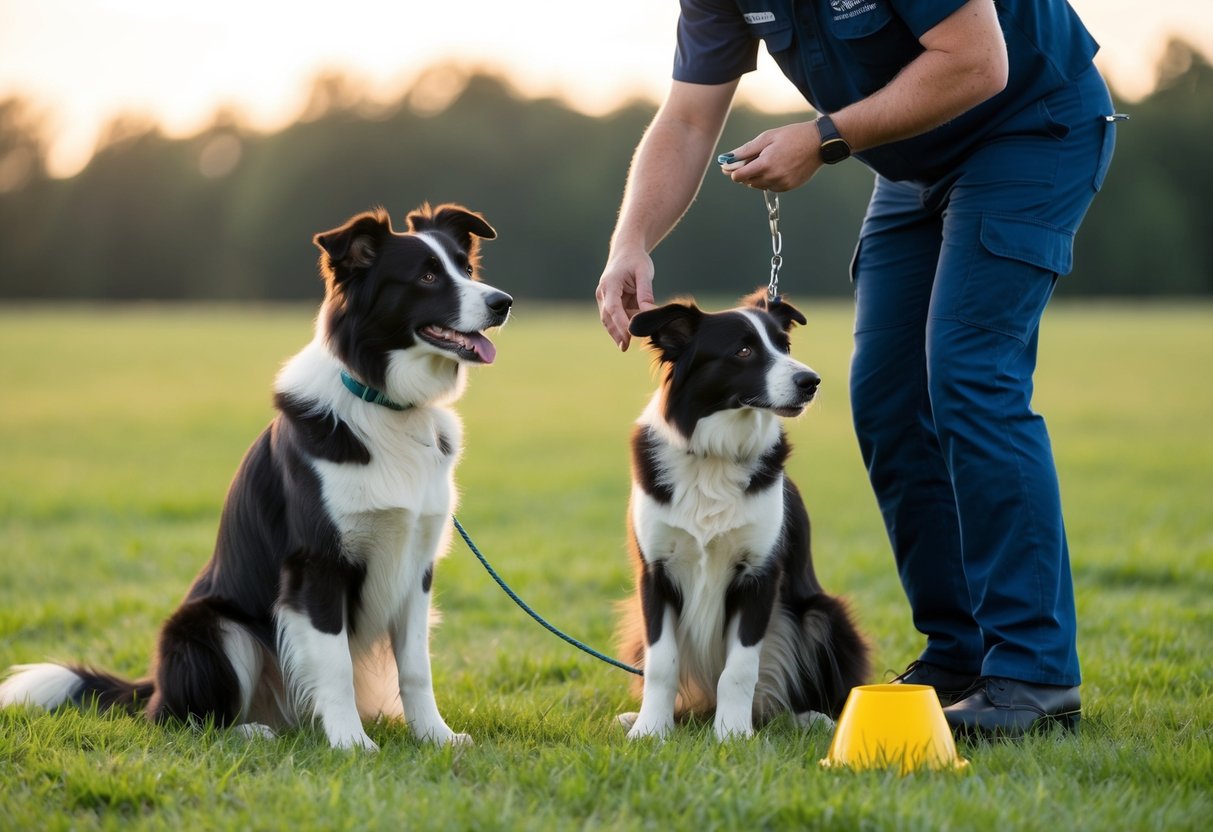
Training your Border Collie effectively is key to reducing the likelihood of biting. You’ll want to focus on techniques that reinforce desired behaviors and foster a strong bond between you and your dog.
Positive Reinforcement Techniques
Using positive reinforcement is a great way to teach your Border Collie. Rewarding good behavior encourages them to repeat those actions.
- Treats: Use small, tasty treats when your dog responds correctly.
- Praise: Verbal praise or petting can motivate your dog even without treats.
- Playtime: Incorporate fun activities as rewards to keep training enjoyable.
Start with simple commands like “sit” or “stay.” Gradually increase difficulty as your dog learns. Always celebrate successes, no matter how small, to build confidence. This approach creates a trusting relationship. Positive experiences help reduce any fear or anxiety that might lead to biting.
Obedience Training and Commands
Obedience training is crucial for Border Collies. These dogs are intelligent and thrive on mental challenges. Teaching commands can prevent biting by providing structure.
Begin with basic obedience commands like:
- Sit
- Stay
- Come
- Leave it
Reinforce these commands consistently. Practice regularly and in different environments to generalize the behavior.
Use clear, brief commands. Clear communication helps your dog understand what you expect. If your dog seems overwhelmed or distracted, take a break to avoid stress. Consistency and patience go a long way in shaping desirable behaviors and reducing bite risk.
Professional Training and When to Seek Help
If you struggle with training your Border Collie, consider professional help. A professional dog trainer can provide specialized techniques to address biting behaviors.
Look for trainers who use positive methods. They can tailor their approach to your dog’s specific needs and temperament. Professional guidance can be especially useful for:
- Socialization issues: If your dog does not respond well to new situations or people.
- Severe biting problems: If your dog frequently bites or shows aggression.
- Behavioral issues: If anxiety or fear triggers biting.
Don’t hesitate to seek help. Early intervention by a certified trainer can make a big difference in your dog’s behavior and future interactions.
Exercise, Stimulation, and Environment

Keeping your Border Collie active and engaged is key to their happiness and behavior. Adequate exercise and mental stimulation play important roles in preventing biting. An appropriate environment also helps ensure your dog can thrive.
Importance of Exercise and Mental Stimulation
Border Collies are highly energetic and intelligent dogs. They need at least 1-2 hours of exercise each day. This can include activities like walks, runs, or even playing fetch. Without enough physical activity, they may become bored and frustrated.
Mental stimulation is equally important. You can keep their minds sharp with puzzle toys, training exercises, and interactive games. Activities that challenge them mentally can help reduce unwanted behaviors, including biting. Remember, a well-exercised dog is a happy dog. Your efforts in keeping them engaged will pay off by fostering a stronger bond and a more balanced temperament.
Environmental Factors Influencing Biting
The environment where your Border Collie spends time significantly affects their behavior. A stimulating environment can keep your dog calm and happy. Make sure your space is safe for your dog to explore. Remove potential hazards that might provoke anxiety or fear.
Socialization is also critical. Exposing your dog to different people and other pets can help them learn appropriate behaviors. A well-socialized Border Collie is less likely to feel threatened and bite.
By considering your dog’s environment and needs, you can create a space that promotes positive behavior and reduces the likelihood of biting.
Bite Inhibition and Control Techniques

You can help your Border Collie learn to control their biting through training and management. These techniques focus on teaching bite inhibition, addressing aggressive behaviors, and understanding their bite force.
Teaching Bite Inhibition
Teaching your Border Collie bite inhibition is essential for a safe and happy environment. Start by allowing gentle play, but when they bite too hard, let out a firm “ouch” and stop the interaction. This helps them learn that biting results in the end of fun.
Use positive reinforcement by rewarding them when they play softly. The goal is to reduce play biting and increase their awareness of pressure. You should know that a Border Collie’s bite force can reach about 235 psi. That’s quite strong for a dog, making bite inhibition even more important.
Managing and Reducing Aggressive Behavior
To manage aggressive behavior, it’s critical to understand why your Border Collie might react this way. Factors like fear-based aggression or lack of socialization can lead to unwanted biting. Engaging in early socialization with people and other dogs can help reduce this risk.
Establish clear commands like “stop” or “leave it” during training sessions. If your dog shows signs of aggression, give them a timeout in a safe space. This makes it apparent that aggressive biting leads to loss of attention. Working with a professional trainer can also provide you with tailored techniques.
Understanding Bite Force and Prevention
Understanding your Border Collie’s bite strength can help prevent future incidents. Their bite can exert significant pressure, sometimes over 200 psi, which can cause harm.
Knowing this, you should be proactive in monitoring their play behavior.
Regular exercise through agility training can help expend excess energy and reduce stress. Keeping them active can lessen the chance of them becoming overly aggressive or fearful.
Always supervise playtime and remove toys that seem to encourage aggressive behavior.
With awareness of their bite capability and behavior management, you can create a well-adjusted companion.


