
Basset Hounds are known for their sweet personalities and relaxed demeanor. However, they can experience pain due to various health issues. Understanding the signs of pain in your Basset Hound is essential for ensuring their well-being and happiness.

These dogs are prone to specific conditions, like hip and elbow dysplasia and intervertebral disc disease, which can lead to discomfort and mobility problems. Regular exercise is vital for maintaining their health, but you must pay attention to how they move and play. If you notice any changes in their activity level or behavior, it could be a sign of pain.
Taking proactive steps, such as regular vet visits and proper exercise, can help you keep your Basset Hound happy and comfortable. By recognizing the signs of pain early, you can help your furry friend enjoy their life to the fullest.
Understanding Basset Hound Health Problems

Basset Hounds can face various health problems due to their unique physical traits. It’s essential to recognize these issues early to ensure your dog’s well-being.
Common Health Problems:
-
Hip Dysplasia: A hip joint issue that can cause pain and mobility problems.
-
Elbow Dysplasia: A similar condition that affects the elbow joint, leading to lameness.
-
Obesity: Extra weight can worsen joint issues and lead to other health problems. Regular exercise is crucial.
-
Intervertebral Disc Disease (IVDD): This can affect their spine, leading to pain and limited movement.
-
Ear Infections: Basset Hounds are prone to these due to their floppy ears. Ensure you check and clean them regularly.
-
Ectropion and Entropion: These are eyelid conditions that can cause irritation. Look for signs of discomfort around the eyes.
-
Seborrhea: This skin condition causes flaky skin and can lead to infections if not treated.
-
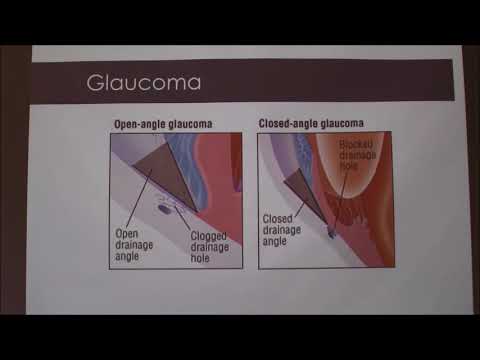
Glaucoma: Keep an eye out for excessive tearing or redness, as this can lead to vision loss.
-
Osteochondritis Dissecans (OCD): A bone disorder that can affect developing joints in young dogs.
-
Thrombopathia: This is a blood clotting disorder, so monitor for unusual bleeding.
-
Wobbler Syndrome: This affects the spine and can lead to coordination problems.
Signs and Symptoms of Pain in Basset Hounds

Basset Hounds can experience pain in various ways. By recognizing specific signs, you can help your pet find relief. Look for physical indications and behavioral changes that may signal discomfort or pain.
Physical Indications of Discomfort
Pay attention to your Basset Hound’s movement and stance. Signs like lameness or reluctance to walk can indicate pain. You might notice your dog limping or having difficulty getting up after lying down.
Incontinence may also be a sign of pain or discomfort, especially if your dog is unable to control their bladder. This can be distressing for both you and your pet.
Additionally, look for signs of ataxia, which is a lack of coordination. If your Basset seems wobbly or unsteady on their feet, it may be due to joint pain or other issues.
Observe their mobility closely, as mobility issues can limit their daily activities. If you see any of these signs, consider consulting your veterinarian for advice.
Behavioral Changes
Changes in behavior can also signal pain in your Basset Hound. You may notice them being more withdrawn or less interested in activities they usually enjoy.
If your dog suddenly dislikes being petted or handled, it might be a reaction to discomfort. They could also whine or bark more than usual, which can indicate distress.
Watch for changes in appetite. If your Basset stops eating or seems to graze without much enthusiasm, pain could be the cause.
Lethargy is another key sign. If your dog prefers to lie down instead of playing or going for walks, it may be due to pain. Keeping an eye on these behavioral changes will help you better understand how your Basset Hound is feeling.
Diagnosing and Treating Health Issues
When your Basset Hound shows signs of pain or discomfort, diagnosing the issue is essential. Proper veterinary care can identify the root cause and lead to effective treatment. Here’s what you need to know.
Veterinary Examination and Tests
The first step is scheduling a visit with your veterinarian. They will perform a thorough examination of your dog, checking for any signs of pain or discomfort. You might notice that your Basset Hound has difficulty moving or reacts negatively to touch.
Diagnostic tests will also be recommended, such as X-rays or MRIs. These help your vet see inside your dog’s body and identify issues like hip dysplasia or arthritis. Blood tests can also reveal underlying health problems that could be causing pain.
After the examination and tests, your vet will discuss the findings with you. Understanding the diagnosis is key to choosing the right treatment plan for your furry friend.
Options for Management and Care
Once your vet determines the cause of the pain, they will suggest management options. Anti-inflammatory medications can help relieve pain and reduce swelling, so make sure to follow the vet’s dosage instructions carefully.
In some cases, surgical intervention might be necessary, especially if structural issues like severe dysplasia are present. If surgery is not an option, other treatments such as physical therapy or rehabilitation can be beneficial.
Hydrotherapy is another excellent option for Basset Hounds, as it promotes gentle movement without putting stress on joints. Combining these therapies can lead to better mobility and comfort for your dog.
Preventive Measures and Healthy Lifestyle

Maintaining a healthy lifestyle for your Basset Hound is essential to prevent pain and health issues. Here are some key areas to focus on:
Healthy Weight: Basset Hounds are prone to obesity, which can cause joint pain and other health problems. Keep track of your dog’s weight and consult your vet for ideal weight goals.
Regular Exercise: Daily walks and playtime are vital. Aim for at least 30 minutes of moderate activity each day. This not only helps maintain a healthy weight but also supports joint health.
Balanced Diet: Feed your Basset Hound high-quality dog food that meets their nutritional needs. Avoid overfeeding, and consider portion control to prevent obesity.
Environmental Factors: Create a comfortable living space. Soft bedding can help support their joints. Also, ensure they have a safe area to move around, free from hazards.
Gastric Dilatation-Volvulus (GDV): This serious condition can affect Basset Hounds. To lower the risk, feed smaller meals throughout the day instead of one large meal.
Neurological Conditions: Watch for signs of pain or discomfort, such as reluctance to move. Early detection can help manage any underlying issues.
Clotting Disorders: Regular vet check-ups can catch these problems early. Speak with your vet about necessary screenings or tests to keep your dog safe.


