
If you’re a dog lover, you might be wondering about the differences between various breeds. This is especially true when it comes to American Bulldogs and XL Bullies. American Bulldogs are not classified as XL Bullies, as they belong to separate breeds with distinct traits. Understanding this will help you appreciate each breed’s unique qualities.
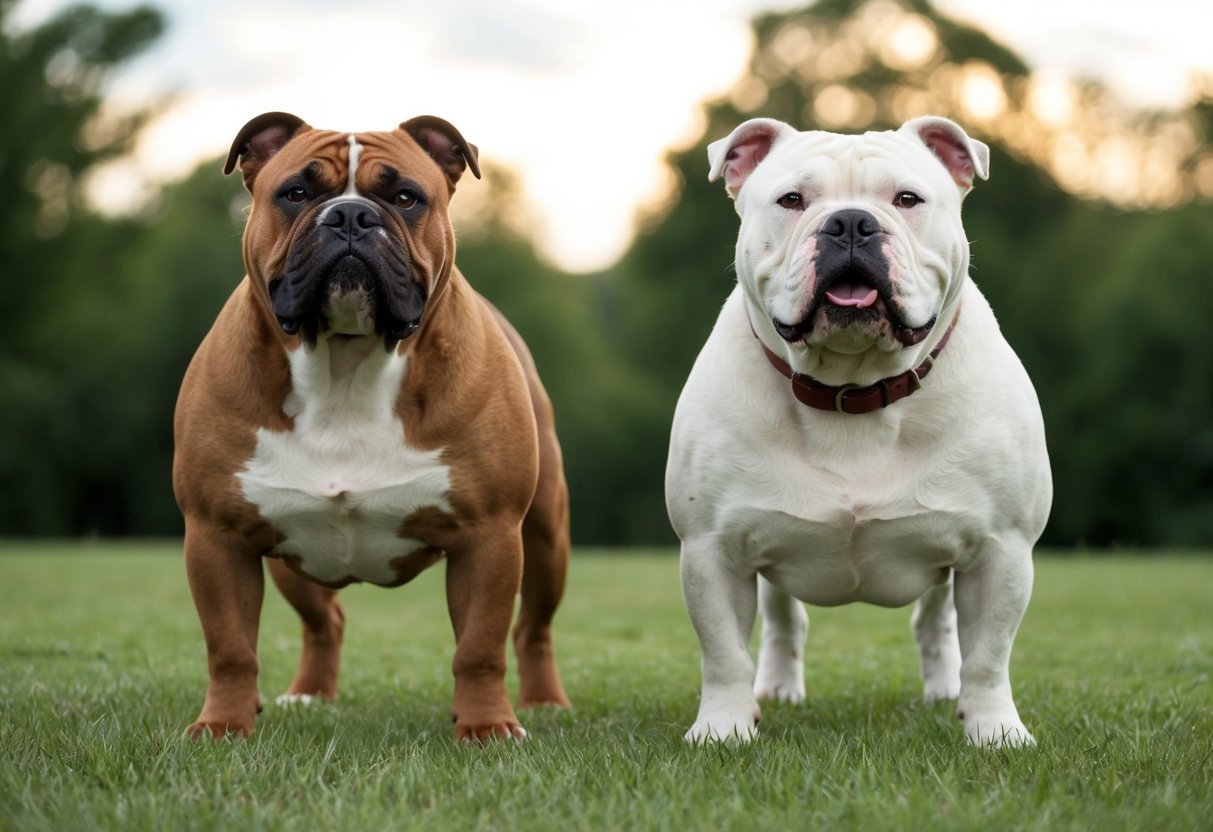
American Bulldogs are known for their strength, loyalty, and friendly nature, while XL Bullies are a subgroup of American Bullies developed for certain characteristics. Both breeds may share some physical features, such as muscular builds, but their backgrounds and temperaments differ significantly.
As you explore this topic, you’ll uncover more about these fascinating breeds and learn how to identify their differences. Understanding these distinctions will enrich your knowledge and help you choose the right breed for your lifestyle.
Understanding the Breeds: American Bulldogs vs. American Bullies
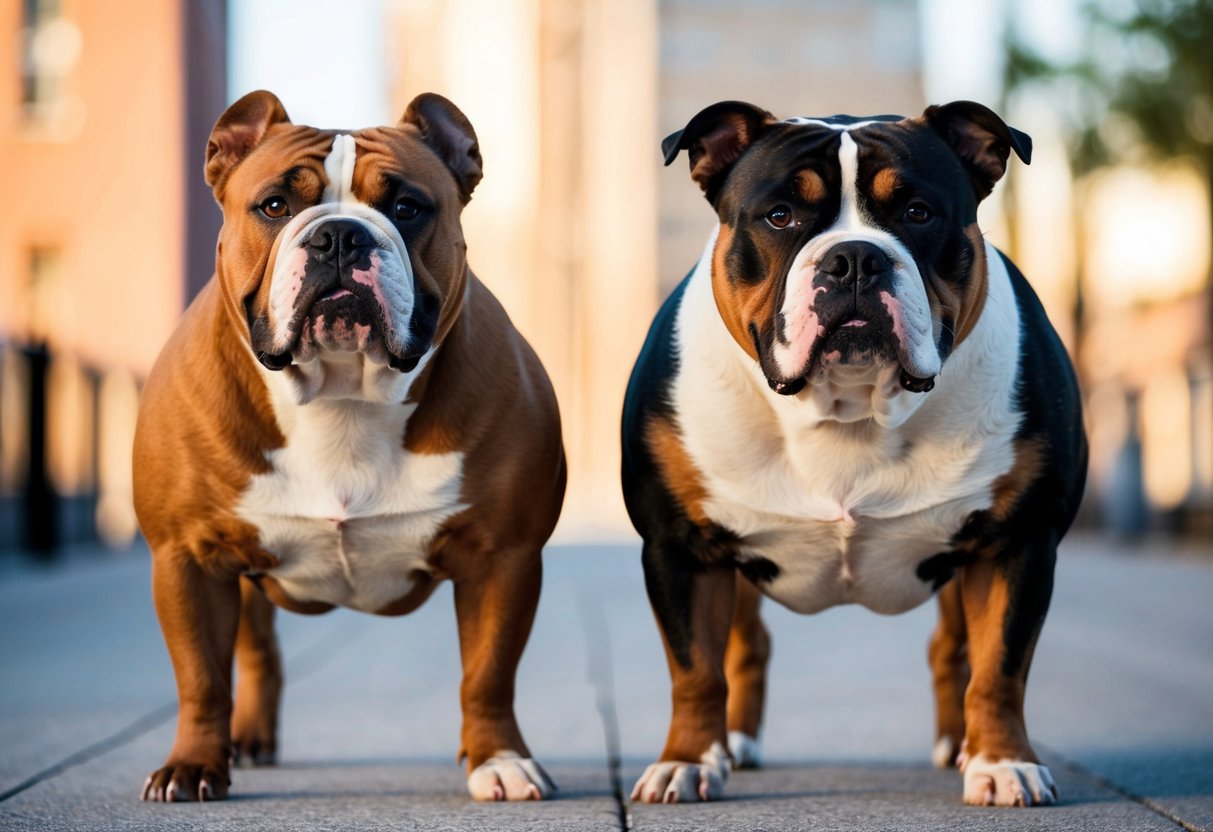
When comparing American Bulldogs and American Bullies, it’s important to look closely at their history and breed standards. Each has unique traits and characteristics that can help you understand their differences and similarities.
Historical Background and Breed Evolution
The American Bulldog has roots that trace back to the now-extinct Old English Bulldog. These dogs were brought to America in the 17th century. They were used primarily for farming and protecting livestock. Over time, American Bulldogs were bred for their strength and versatility, making them excellent working dogs.
In contrast, the American Bully is a newer breed. Developed in the 1990s, it was created by crossing various Bulldogs, including the American Pit Bull Terrier and the Staffordshire Terrier. The goal was to produce a dog with a more muscular and stocky build that retains the friendly nature of the Bulldog family.
Breed Standards: Similarities and Differences
Both breeds are muscular, but they differ in size and appearance. American Bulldogs usually weigh between 75-125 pounds for males and 60-100 pounds for females. They have a strong, athletic build with a longer muzzle and a more defined neck.
On the other hand, American Bullies generally weigh between 65-85 pounds. They have a compact body, broad shoulders, and a much shorter muzzle.
In terms of breed standards, the United Kennel Club and the American Bully Kennel Club recognize these breeds separately. American Bulldogs may follow standards set for classic breeds, while American Bullies have specific guidelines for posture and appearance that reflect their unique lineage.
This knowledge can help you appreciate each breed’s distinct qualities, making it easier to choose the right fit for your lifestyle.
Physical Attributes and Temperament
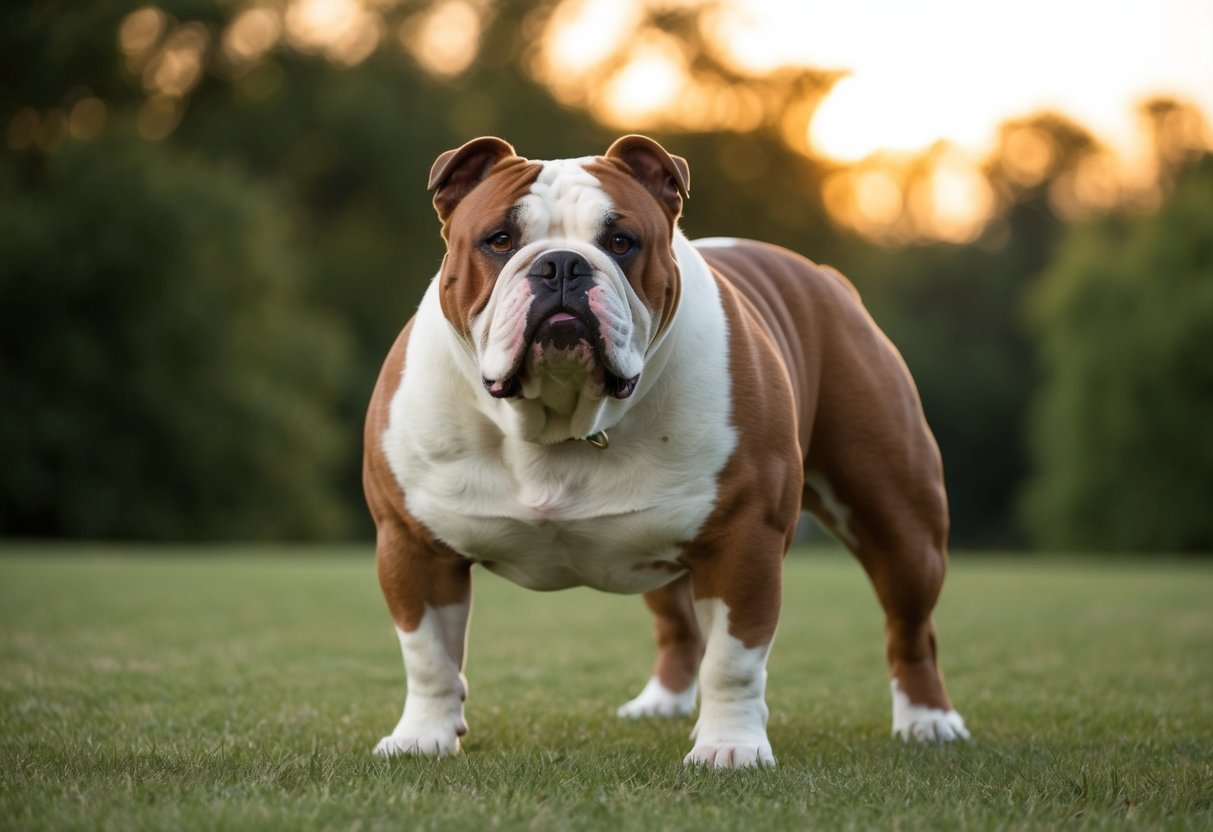
When considering the physical attributes and temperament of American Bulldogs, it’s important to understand their size, coat, and personality. These factors play a significant role in how they fit into your family and home environment.
Size, Weight, and Muscular Build
American Bulldogs are strong and sturdy dogs. They typically weigh between 60 to 120 pounds and have a height that ranges from 20 to 28 inches at the shoulder. This breed is recognized for its muscular body and well-defined physique.
Some might confuse American Bulldogs with XL American Bullies, which are often larger and stockier. Despite their size, American Bulldogs are known as gentle giants. They can be both protective and playful, making them suitable as family pets.
Coat Colors and Types
American Bulldogs have a short, dense coat that is easy to maintain. Their coat colors can vary widely. Common colors include white, brindle, fawn, and brown, and you may also see mixes of these colors.
The coat type is typically smooth and glossy, which gives them a healthy appearance. Regular brushing helps manage shedding and keeps their coat in good condition. The color and type of coat can impact their appearance but not their loving nature.
Personality Traits and Family Compatibility
American Bulldogs are known for their loyal and affectionate nature. They are quite intelligent and easy to train, which makes them great companions.
These dogs usually have a friendly temperament, forming strong bonds with family members. They are protective but also enjoy playtime and social activities. Their intelligence allows them to adapt well to family life, and they can be great at living with children and other pets.
This combination of traits makes American Bulldogs excellent choices for families seeking a loving and loyal companion.
Health, Training, and Socialization
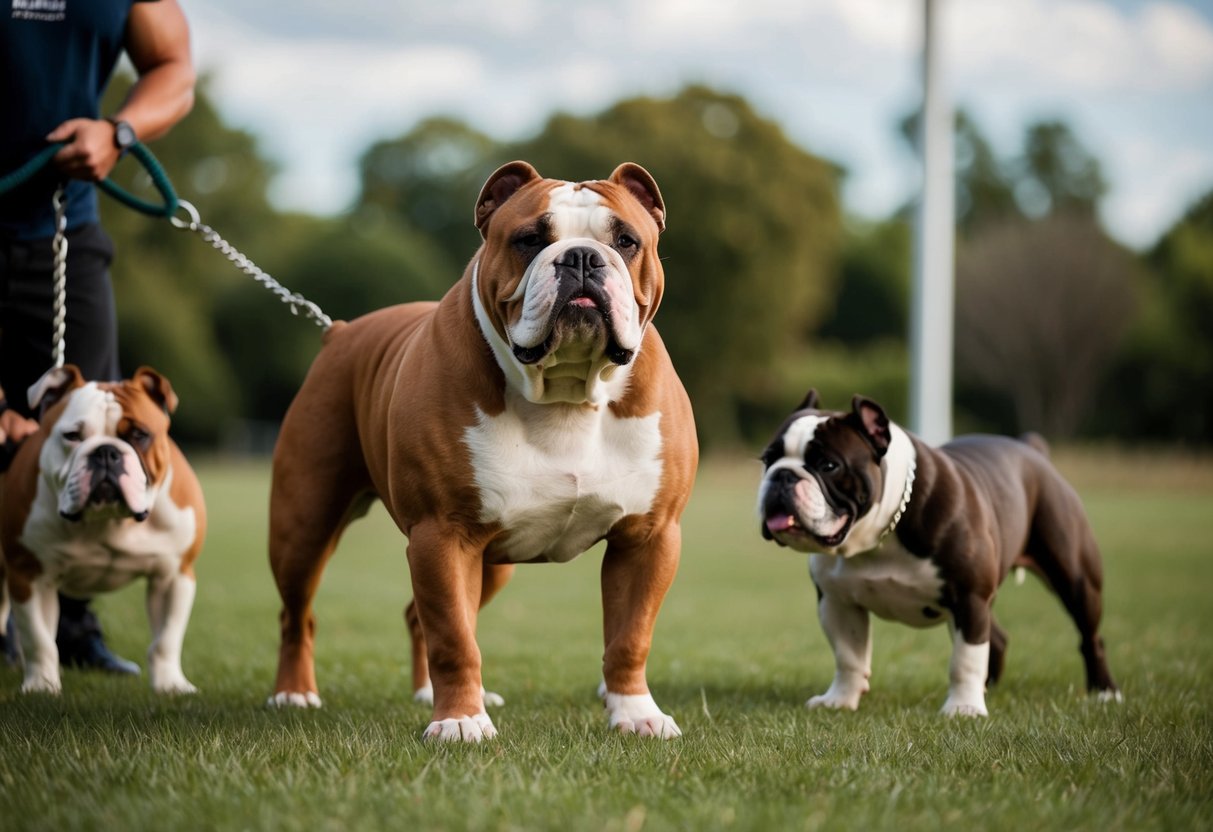
Your American Bulldog’s health, training, and socialization are essential for a happy and fulfilling life. It’s important to be aware of common health concerns, provide adequate exercise, and use effective training techniques to help your dog thrive.
Common Health Concerns and Lifespan
American Bulldogs can face certain health issues. Some common problems include hip dysplasia, allergies, and cherry eye, which affects the eyelids. Regular vet check-ups can help catch these issues early.
The average lifespan of an American Bulldog is around 10 to 15 years. Keeping your dog at a healthy weight and providing a balanced diet can improve their overall well-being and longevity. Routine grooming helps maintain their coat and skin health, preventing irritations.
Exercise Needs and Mental Stimulation
Your American Bulldog needs regular exercise to stay healthy and happy. At least 30 to 60 minutes of daily physical activity is recommended. Activities like walks, playtime, and agility training can help satisfy their energy needs.
Mental stimulation is equally important. Engage your dog with toys that challenge their intelligence, like puzzle toys or training exercises. Doing so helps prevent boredom and destructive behaviors while strengthening your bond.
Effective Training Techniques and Socialization
Training your American Bulldog can be a rewarding experience. They are intelligent and eager to please, which makes them relatively easy to train. Positive reinforcement methods, such as treats and praise, work best.
Socialization is crucial for your dog’s development. Expose them to different people, pets, and environments early on. This practice helps build confidence and reduces the risk of fear-based behaviors later in life. Consistent training and socialization will ensure your dog is a well-adjusted companion.
Responsible Ownership and Breed Legislation
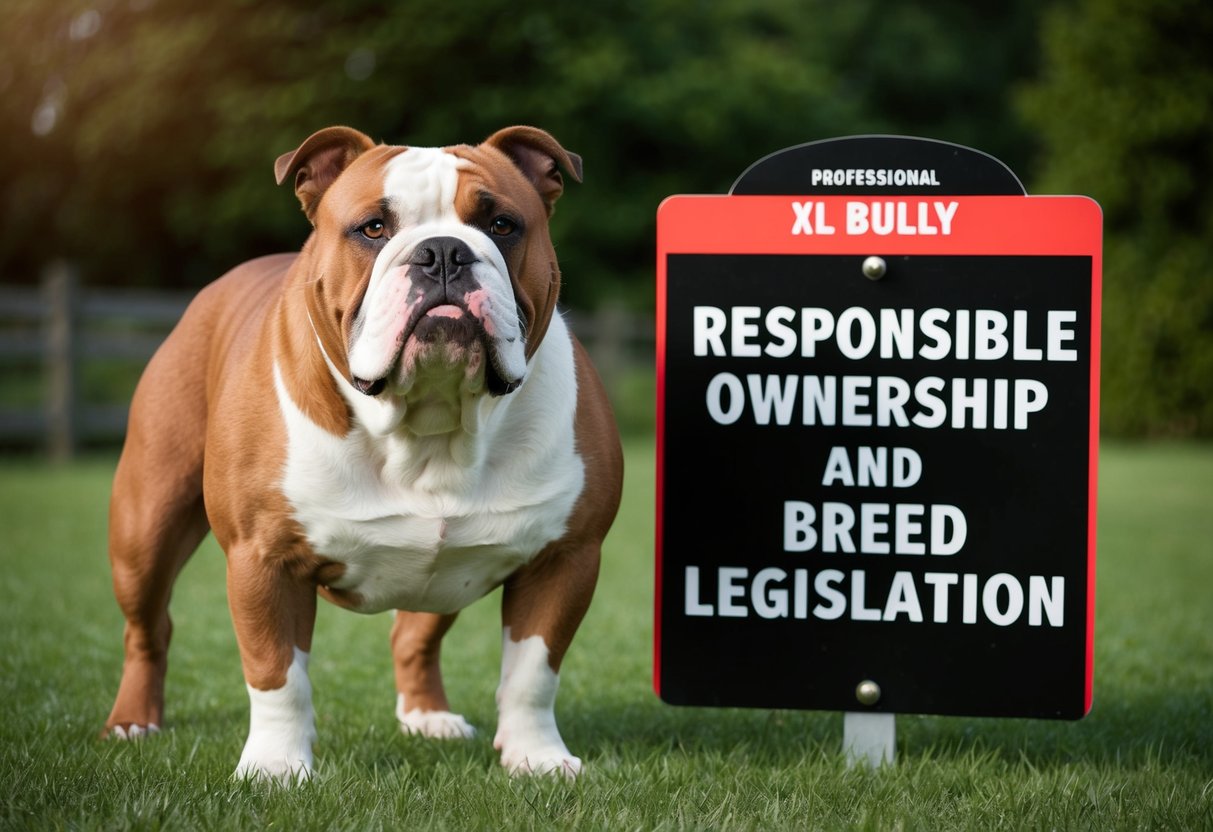
Being a responsible dog owner is crucial, especially when it comes to breeds like American Bulldogs and XL Bullies. Understanding how legislation impacts these breeds can help you make informed decisions and contribute positively to your community.
Understanding Breed-Specific Legislation
Many places have breed-specific laws that target certain breeds to promote dog safety. In the UK, the Dangerous Dogs Act 1991 places restrictions on breeds such as American Pit Bull Terriers, which are closely related to American Bulldogs. These laws often stem from incidents of dog attacks.
As a responsible owner, it’s important to know local regulations, including any potential exemptions. For example, some owners can obtain an exemption certificate, allowing them to keep a breed typically banned, provided they meet specific safety criteria.
Promoting Positive Breed Representation
The reputation of bully breeds, including American Bulldogs, often suffers due to negative media coverage from dog attacks. You can help change this perception by promoting responsible ownership.
Share stories that highlight the loving, loyal nature of your dog. Getting involved with breed-specific organizations like the American Bully Kennel Club (ABKC) or United Kennel Club (UKC) can also be beneficial. These groups work to improve breed standards and educate the public about responsible breeding and ownership.
Responsible Breeding and Ownership Practices
Responsible breeding practices help reduce the likelihood of aggressive behavior. Always choose reputable breeders who prioritize health and temperament over profit.
Avoid puppy mills, which often produce dogs with poor genetic backgrounds.
As an owner, provide your American Bulldog with proper training and socialization from an early age.
Regular exercise and activities can also help channel their energy positively.
Remember, a well-trained dog is less likely to contribute to any incidents and can help foster a good relationship with the community.


