
Alaskan Huskies are well-known for their friendly and intelligent nature, but you may wonder if they are suitable for hunting. Alaskan Huskies were originally bred for various tasks, including hunting, making them capable hunters when trained properly. Their strong instincts and resilience in harsh conditions give them an edge when tracking small game.

These dogs excel in endurance and teamwork, which makes them great companions for outdoor activities. Their playful demeanor and eagerness to work with people mean they are not only good for hunting but also make loyal and loving pets.
If you’re considering an Alaskan Husky and have an interest in hunting, it’s important to understand their natural capabilities and how to harness them effectively.
With the right training and guidance, your Alaskan Husky can tap into its hunting roots while remaining the friendly and intelligent companion you adore. Whether you aim to hunt or just enjoy outdoor adventures together, these dogs bring a special mix of energy and loyalty to every task.
Origins and Breed Background
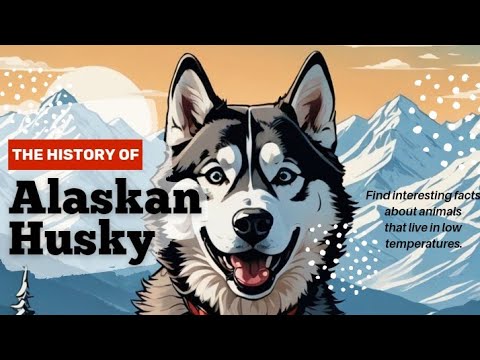
Alaskan Huskies have a rich history that intertwines with various cultures and environments. Their development reflects their roles as sled dogs and companions in harsh climates. Understanding their origins helps appreciate their skills and characteristics.
Historical Development
The Alaskan Husky is not a single breed but a type of dog developed for specific traits. Early crossbreeding took place among various sled dog breeds, including the Siberian Husky and Alaskan Malamute. This process aimed to create dogs that were agile, strong, and well-suited for colder climates.
As these dogs evolved, they became essential for transportation and hunting. They helped communities navigate snow-covered terrains, which is crucial for survival in the Arctic. Their blend of speed and endurance made them ideal for pulling sleds and hunting.
Siberia and the Chukchi People
The roots of the Alaskan Husky can be traced back to Siberia, particularly to the Chukchi people. These native groups relied on dogs for hunting seals and reindeer. They bred dogs for specific tasks, which included physical attributes suited for cold weather and stamina.
The Chukchi developed enduring bonds with their dogs, treating them as family rather than tools. This relationship contributed to the dogs’ loyalty and keen hunting abilities. Many of the traits seen in Alaskan Huskies today stem from these early Siberian origins.
Comparison With Siberian Husky and Alaskan Malamute
While all three breeds share a common ancestor, they have distinct differences. The Siberian Husky is known for its striking appearance and friendly demeanor. It is often recognized for its blue eyes and fluffy coat, making it popular among dog lovers.
In contrast, the Alaskan Malamute is larger and more powerful, trained for heavy hauling. Their strength makes them ideal for pulling sleds over long distances.
Alaskan Huskies are typically mixed-breed dogs developed for performance and are often faster than the other two. Their focus is more on utility and capability rather than conformation or beauty. This difference in purpose shapes their unique traits and skills that make them exceptional hunters and workers.
Physical and Temperamental Traits

Alaskan Huskies are known for their unique temperament and distinct physical traits. These dogs are a blend of endurance, loyalty, and a friendly nature, making them fascinating companions. Understanding their characteristics helps you provide the care and training they need.
Understanding Alaskan Husky Temperament
Alaskan Huskies are generally friendly and sociable. They thrive on interaction with people and other dogs. These dogs possess high energy levels, which means they love to play and explore. Their independent spirit can sometimes make training a challenge.
It’s essential to use positive reinforcement methods during training. With their intelligence, you’ll find they can learn commands quickly, but they may also choose when to listen. Building a strong bond with your Alaskan Husky will encourage loyalty and cooperation.
Physical Characteristics
Physically, Alaskan Huskies are built for endurance. They have a medium-sized frame that allows for agility and speed. Males typically stand 22-26 inches tall and weigh between 45-70 pounds. Females are slightly smaller, ranging from 20-24 inches and 35-55 pounds.
Their thick, double coat provides warmth in cold climates. You can find them in various colors and patterns, with shedding being a common issue, especially during seasonal changes. Regular grooming helps manage this shedding and reduce hair around the house.
Common Health Concerns
Like any breed, Alaskan Huskies can face health issues. Progressive retinal atrophy (PRA) is one potential concern that affects their sight as they age. Hypothyroidism is another condition that can develop, impacting their metabolism and energy levels.
Routine vet check-ups are crucial for early detection of these health problems. Keeping your dog at a healthy weight through a balanced diet and exercise is also essential. With proper care, your Alaskan Husky can live a happy, active life.
Alaskan Huskies as Working Dogs

Alaskan Huskies are known for their strong work ethic and high energy levels. Their background as sled dogs makes them well-suited for various tasks, showcasing their ability to thrive in active roles. Here are some important aspects of their work as dogs.
Sled-Pulling Heritage and Exercise Needs
Alaskan Huskies have a rich history as sled-pulling dogs. They were bred to pull heavy loads across icy terrains, which makes them exceptional working dogs. This heritage means they have a natural instinct to run and work.
Because of their active background, Alaskan Huskies need lots of exercise. A simple walk around the block won’t suffice. They thrive on activities like running, hiking, or participating in dog sports. Daily exercise helps to channel their energy and keeps them healthy.
Huskies in Dog Sled Racing
Dog sled racing is a thrilling sport where Alaskan Huskies excel. They have the stamina and speed needed to compete in various events, including the famous Iditarod. This race tests not only the dogs’ physical abilities but also their intelligence and teamwork.
In racing, Huskies demonstrate strong prey drive and focus. They work together effectively, pulling sleds for long distances. Many enthusiasts choose Alaskan Huskies specifically for their racing potential, showcasing their athletic abilities as a working dog breed.
Training and Obedience
Training Alaskan Huskies can be both rewarding and challenging. These dogs are intelligent but can be stubborn. Consistent, positive reinforcement is key to effective training.
You should start training early, focusing on commands and socialization. Regular practice helps them learn and follow commands better. Given their protective instincts, socialization is vital to ensure they are well-adjusted around people and other animals.
By meeting their exercise, training, and social needs, you can build a strong bond with your Alaskan Husky while allowing them to work to their full potential.
The Alaskan Husky in Modern Families

Alaskan Huskies can be wonderful family pets when understood and properly cared for. Their unique traits and needs should guide potential owners in making informed decisions about welcoming one into their home.
Adaptation as Family Pets
Alaskan Huskies are known for their friendly nature. They often bond well with children and can be playful and affectionate. They thrive in active families where they can join outdoor activities.
These dogs have a strong pack instinct, meaning they enjoy being around people and other pets. It’s important for you to spend time with your husky, as loneliness can lead to behavioral issues. Regular exercise is crucial. A tired husky is a happy husky, so plan for daily walks, runs, or playtime.
Be aware of health concerns like Alaskan Husky encephalopathy, a neurological condition. Regular vet check-ups and staying informed can help ensure your husky remains healthy and vibrant.
Considerations for Potential Owners
Before bringing an Alaskan Husky home, consider your lifestyle. These dogs need a lot of physical activity and mental stimulation.
If your family enjoys the outdoors, hiking, or running, an Alaskan Husky might fit right in.
Be prepared for grooming and shedding. Their thick double coat requires regular brushing, especially during shedding season.
Additionally, understand their hunting instincts. While they are not typically hunting dogs, they have a drive to chase small animals.
Training and socialization are key to managing these instincts and ensuring they coexist peacefully with other pets.
With the right environment and a proactive approach, Alaskan Huskies can thrive as loyal and loving family members.


