
You might have heard about the troubles facing African elephants in recent years. These magnificent creatures, known for their intelligence and social structures, are experiencing significant declines in their populations. The latest studies reveal an alarming average decline of 77% across both forest and savanna elephant species.

Understanding the reasons behind this decline is crucial. Factors like habitat loss and poaching have severely impacted their numbers. You’ll find insights into how these issues affect different populations and what can be done to help.
Join us as we explore the realities of the declining elephant populations and the ongoing efforts to protect these iconic animals. Your awareness and support can make a difference in their future.
Understanding African Elephants
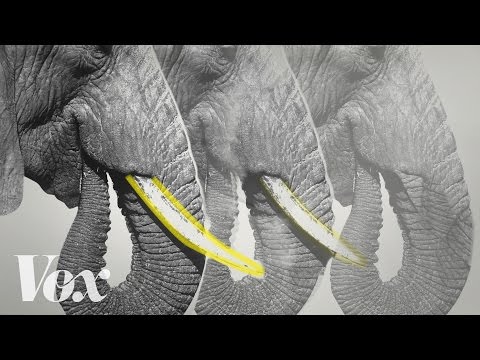
African elephants are unique creatures with diverse habitats and important roles in their ecosystems. Two main species exist, each adapted to different environments. Their presence influences biodiversity and the health of grasslands and forests across Africa.
Distinct Species of African Elephants
There are two main species of African elephants: the savanna elephant and the forest elephant. The savanna elephant is larger and has bigger ears, which help regulate its body temperature. This species thrives in open grasslands and savannahs where they roam in herds.
On the other hand, the forest elephant is smaller and has straighter tusks. They live in dense forests, primarily found in Central and West Africa. Both species are vital to their ecosystems. Through their feeding habits, elephants help maintain the balance of vegetation, which benefits many other species.
Natural Habitats and Ecosystems
African elephants inhabit a range of ecosystems, from lush forests to arid grasslands. Their presence supports biodiversity. In savannas, elephants create pathways that other animals use, promoting movement and access to resources.
In forests, they help control plant growth by feeding on young trees and shrubs. This allows light to reach the forest floor, encouraging the growth of various plants. Both ecosystems rely on the presence of elephants to stay healthy and balanced. Without them, many animals and plant species could struggle to survive.
Threats to African Elephants

African elephants face several serious threats that hinder their survival. These challenges largely stem from human actions and can lead to a significant decline in their populations. Understanding these threats helps to highlight the importance of conservation efforts.
The Impact of Poaching
Poaching is one of the most pressing threats to African elephants. Poachers target these majestic animals mainly for their ivory tusks. Despite a ban on the international ivory trade, illegal poaching continues.
Statistics show that tens of thousands of elephants are killed each year for their ivory. This not only affects elephant populations but also disrupts ecosystems. When these animals are removed, the balance in their habitats is shaken, leading to further ecological consequences.
Habitat Loss Challenges
Habitat loss is another significant threat to African elephants. As human populations grow, more land is needed for agriculture, housing, and infrastructure. This leads to the conversion of wilderness areas into farms and urban spaces.
Consequently, elephants lose their natural habitats, which restricts their movement and access to food and water. As habitats become fragmented, elephants find it harder to coexist with humans. Conflicts often arise as they wander into agricultural areas searching for food, leading to further threats to their survival.
Consequences of Human Activities
Human activities play a crucial role in the decline of African elephants. Agricultural expansion often encroaches on the habitats of these animals. This results in fewer resources for elephants and increases the likelihood of human-elephant interactions.
Such interactions can lead to conflicts that put both elephants and humans at risk. As people expand into elephant territories, wildlife sanctuaries become essential. They provide space for elephants to live without the threat of human encroachment, helping to maintain stable populations.
Protecting both elephants and their habitats requires a cooperative effort between communities and conservationists to foster coexistence.
Conservation Efforts

Conservation efforts play a vital role in protecting African elephants from the ongoing decline in their populations. Effective actions are being taken through protective laws, the work of dedicated organizations, and advancements in wildlife management.
Protective Legislation and Anti-Poaching Measures
Strong laws are critical for elephant conservation. Many African countries have implemented protective legislation to safeguard elephants from poaching and habitat loss. These laws often include penalties for illegal hunting and trading of elephant parts.
Anti-poaching measures are essential in preserving populations. Ranger units are deployed to patrol protected areas. They work tirelessly to prevent poachers from harming elephants. Programs like the Elephant Crisis Fund provide resources and support for these initiatives.
Effective enforcement of these laws can lead to a decline in poaching activities, which helps stabilize elephant populations. You can make a difference by supporting organizations focused on these legislative efforts.
Role of Conservation Organizations
Various conservation organizations play crucial roles in elephant protection. Groups like Save the Elephants focus on research, education, and community involvement. They educate local communities about the importance of elephants in ecosystems.
These organizations also develop sustainable strategies that foster human-wildlife coexistence. By offering alternative livelihoods to communities, they reduce reliance on poaching. Programs help empower local people to protect elephants instead of viewing them as threats.
Collaborations between groups increase the impact of conservation efforts. Together, they can share knowledge and resources to create lasting change. Your support for these organizations can amplify their efforts in saving elephants.
Advancements in Wildlife Management
Innovations in wildlife management have made a significant impact on conservation. Using technology, such as GPS tracking, allows for monitoring elephant movements. This data helps to understand their behavior and migration patterns.
Protected areas are being managed more effectively. Strategies include better land-use planning that preserves elephant habitats. Techniques like translocation can help re-establish populations in areas where they have declined.
Community-based conservation initiatives also gain traction. Engaging local people ensures their cooperation in protecting elephants. This approach leads to successful conservation actions.
You can contribute to these advancements by staying informed and supporting wildlife management projects. Every little bit helps in the fight to conserve these incredible animals.
Research and Monitoring

Research and monitoring are vital for understanding the trends in African elephant populations. By using comprehensive assessments, scientists can track changes in behaviors, densities, and populations over time. This information helps shape better conservation strategies.
Population Surveys and Data Analysis
Population surveys are essential tools for studying African elephants. These surveys collect data across various sites, often encompassing hundreds of locations in multiple countries. For instance, a recent study analyzed data from 475 sites across 37 African nations from 1964 to 2016.
Key points of population surveys include:
- Elephant density is measured to understand how many elephants occupy a specific area.
- Long-term data offers insights into population trends, helping identify declining regions.
Analyzing this data requires skilled conservation scientists to make sense of varying methodologies. They focus on estimating population trends, which can greatly inform conservation efforts and policies.
Innovative Conservation Science
Innovative methods are transforming how we protect African elephants. Researchers at institutions like Colorado State University are using advanced technologies, such as satellite imagery and drone surveillance, to monitor populations more effectively.
Examples of innovative approaches include:
- Camera traps: These devices capture images of elephants in their natural habitats, providing data on population numbers and behaviors.
- Genetic analysis: This helps track individual elephants and understand genetic diversity within populations.
Using these techniques, scientists can gain deeper insights into elephant behavior and health. This leads to more targeted conservation strategies, ensuring efforts are data-driven and impactful.


