Ever wondered if a chimp and a bonobo could actually have a baby? You’re definitely not the only one. These primates look strikingly similar and share a close family tree, but out in the wild, they basically never meet.
The short answer? Yeah—if you put them together in captivity, they can have a baby.
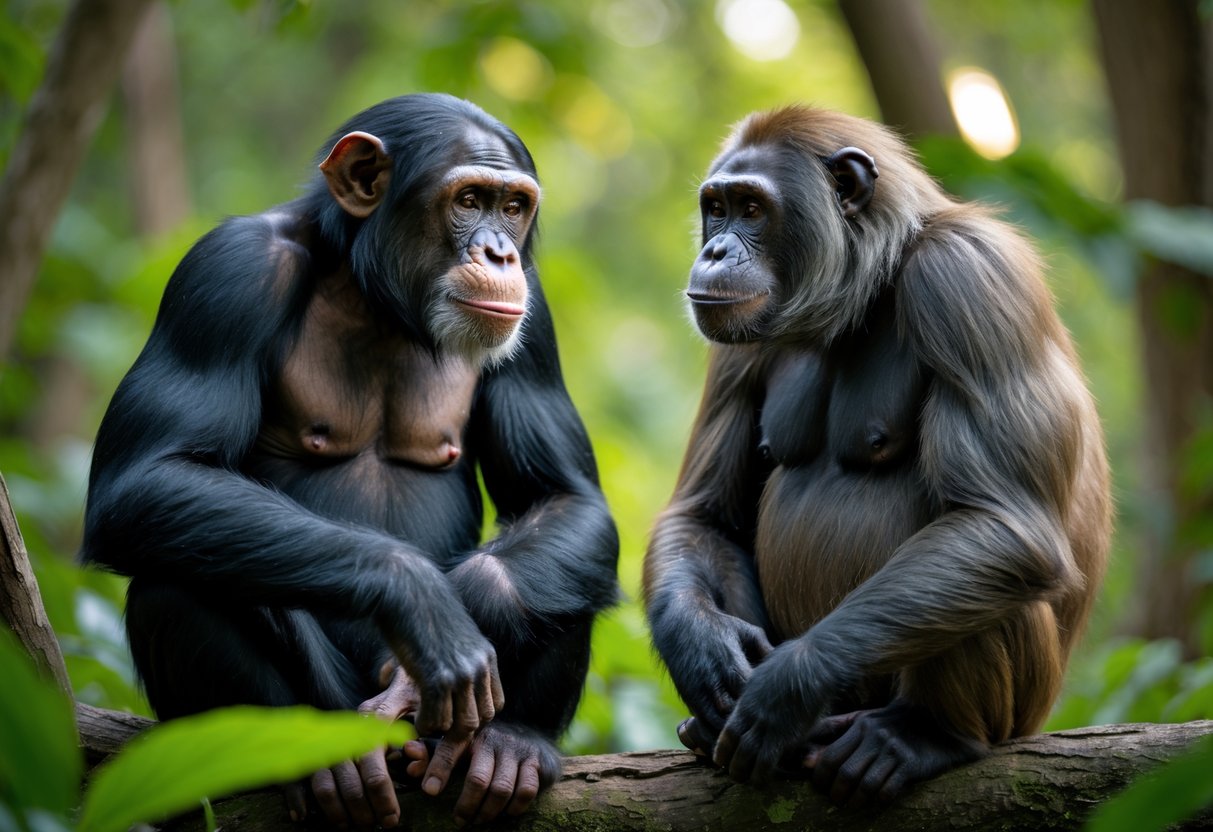
In the wild, chimps and bonobos stick to opposite sides of the Congo River. They live in separate social groups and don’t really cross paths. That’s why you don’t see hybrid babies out there.
But when humans bring them together, their similar genetics let them mate and have offspring.
It’s kind of wild that, for all their similarities, chimps and bonobos act so differently. Their behaviors and social lives couldn’t be more different, honestly.
That just makes the idea of a hybrid even more intriguing, doesn’t it? If you’re curious about how these two could come together, you’re in the right place.
Can a Chimp and a Bonobo Have a Baby?
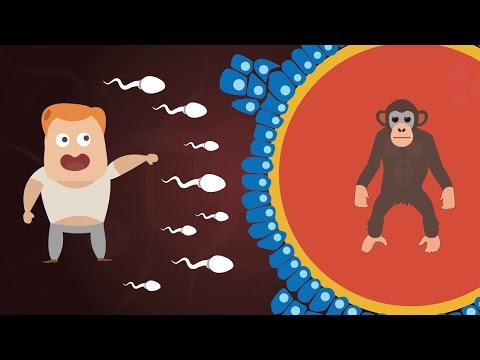
Chimpanzees and bonobos share a ton of DNA. Still, several things decide whether they’ll actually have babies together.
Let’s look at their genetic ties, why they don’t mate naturally, what science says about hybrid babies, and what happened when people tried to breed them.
Genetic Relationship Between Chimps and Bonobos
Chimps and bonobos split from a common ancestor about 1.5 to 2 million years ago. Their DNA matches up pretty closely, with only a few tweaks that make them different species.
Both belong to the genus Pan, which is why sharing genes is even possible.
Bonobos usually have pink lips and slimmer bodies, while chimps are stockier. Socially, bonobos are more peaceful and run in female-led groups. Chimps? They’re more aggressive and live in male-led groups.
Their close genetic relationship means their genes can sometimes mix. Still, those differences in personality and biology matter a lot when it comes to making baby apes together.
Barriers to Hybridization
A few things keep chimps and bonobos from having babies together in the wild. The Congo River is the big one—it physically separates the two.
Neither group crosses that river naturally.
Their social lives don’t line up, either. Chimps form aggressive, male-heavy groups, while bonobos stick with peaceful, female-led societies.
Pairing up just doesn’t really happen.
Chromosomal differences also get in the way. Their chromosomes look similar, but small mismatches can mess up fertilization or embryo growth.
Sometimes, this stops hybrids from developing or makes them infertile if they do survive.
Scientific Evidence on Interbreeding
Researchers have actually found evidence that chimps and bonobos mixed genes in the distant past.
Genetic studies show that about 1% of chimp DNA comes from bonobos. This gene flow happened somewhere between 200,000 and 550,000 years ago.
So, mixing did happen, but not often.
In captivity, people have managed to create hybrids under special circumstances. That proves chimps and bonobos can have babies together.
Still, hybrids don’t always turn out healthy or fertile because of those genetic differences.
This kind of mixing doesn’t happen naturally now. The Congo River and their different behaviors make sure of that.
Historical Attempts and Observations
No one’s ever confirmed chimps and bonobos mating or making hybrid babies in the wild. Their homes just don’t overlap, and they avoid crossing the river.
In captivity, there have been a few rare cases where people put chimps and bonobos together and they mated. These are exceptions, only happening with human help or in controlled settings.
It’s interesting—if you raise a baby chimp with bonobos or the other way around, their social behavior can change.
So, learning and environment have an effect, but they don’t break down the big barriers to hybridization in the wild.
If you want to dig deeper, check out this chimp and bonobo interbreeding discussion.
Key Differences and Similarities Between Chimps and Bonobos
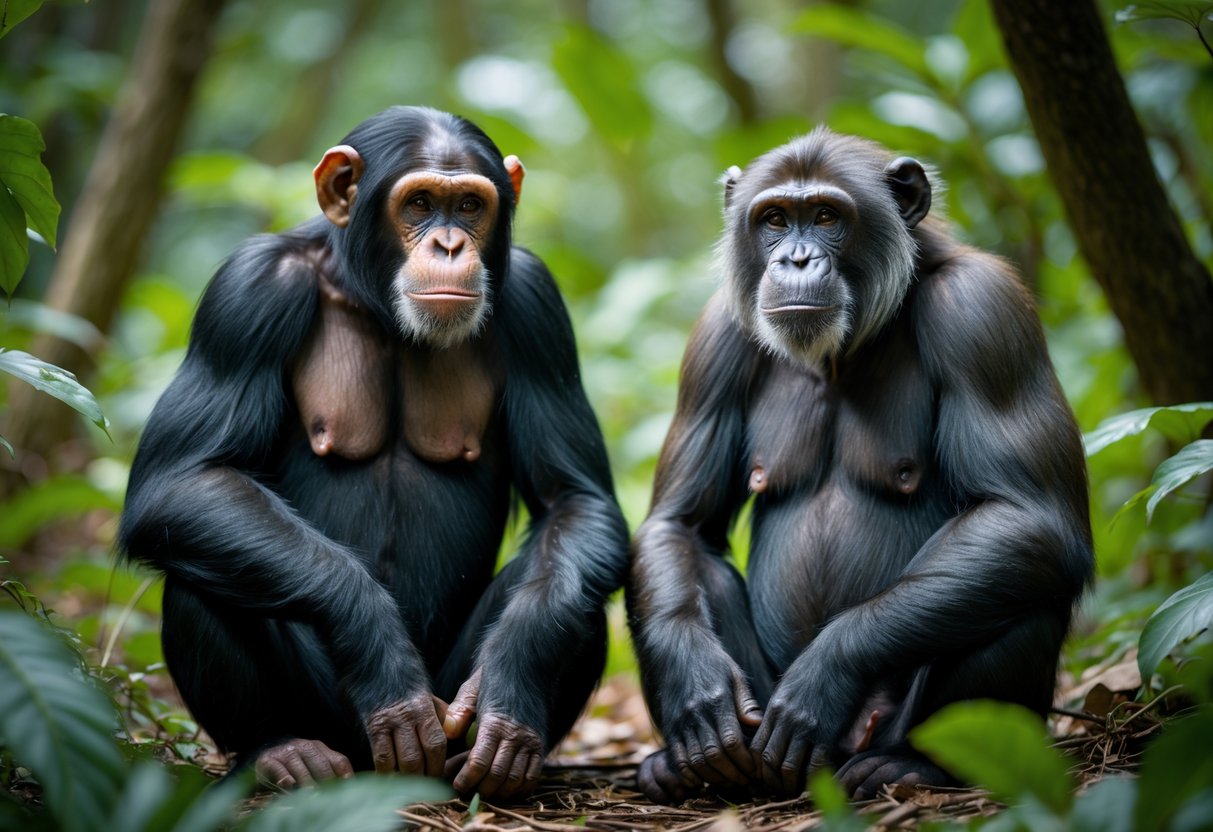
Chimps and bonobos have plenty in common, but their differences really stand out. Their family history and body types shape how they act and live.
Both are important for understanding whether they can have babies together.
Taxonomy and Species Classification
Chimps and bonobos count as different species, but they share the same genus, Pan. They split from a common ancestor about 1 to 2 million years ago.
Their DNA? It’s about 98-99% the same.
The Congo River kept bonobos on the south side and chimps on the north side of Central Africa. This split pushed them to evolve in their own ways.
Even though they’re close relatives, they’re distinct species now because they adapted to different environments.
Physical and Behavioral Distinctions
Bonobos usually look smaller and slimmer than chimps. Female bonobos weigh about 74 pounds, while female chimps tip the scales closer to 93 pounds.
You’ll notice bonobos have longer legs and this funny, distinct hair part right on top of their heads. Their faces? Mostly black, with these striking pink lips.
When it comes to behavior, bonobos stick together in peaceful, female-led groups. They use social bonds—and honestly, a fair bit of sexual behavior—to keep the peace.
Chimps? They form groups led by males and often settle their arguments with aggression or just plain shows of strength. These social differences really shape how each species gets by and interacts.
Want to dive deeper? Check out this comparison of chimpanzees vs bonobos.


